The Defining Shifts of 2026
This season lived on the edge of brilliance and total organizational collapse. As we hit the Champions League final, these ten moments dictated the narrative of a relentless, frantic year of football.
10. Tottenham’s Recruitment Pivot
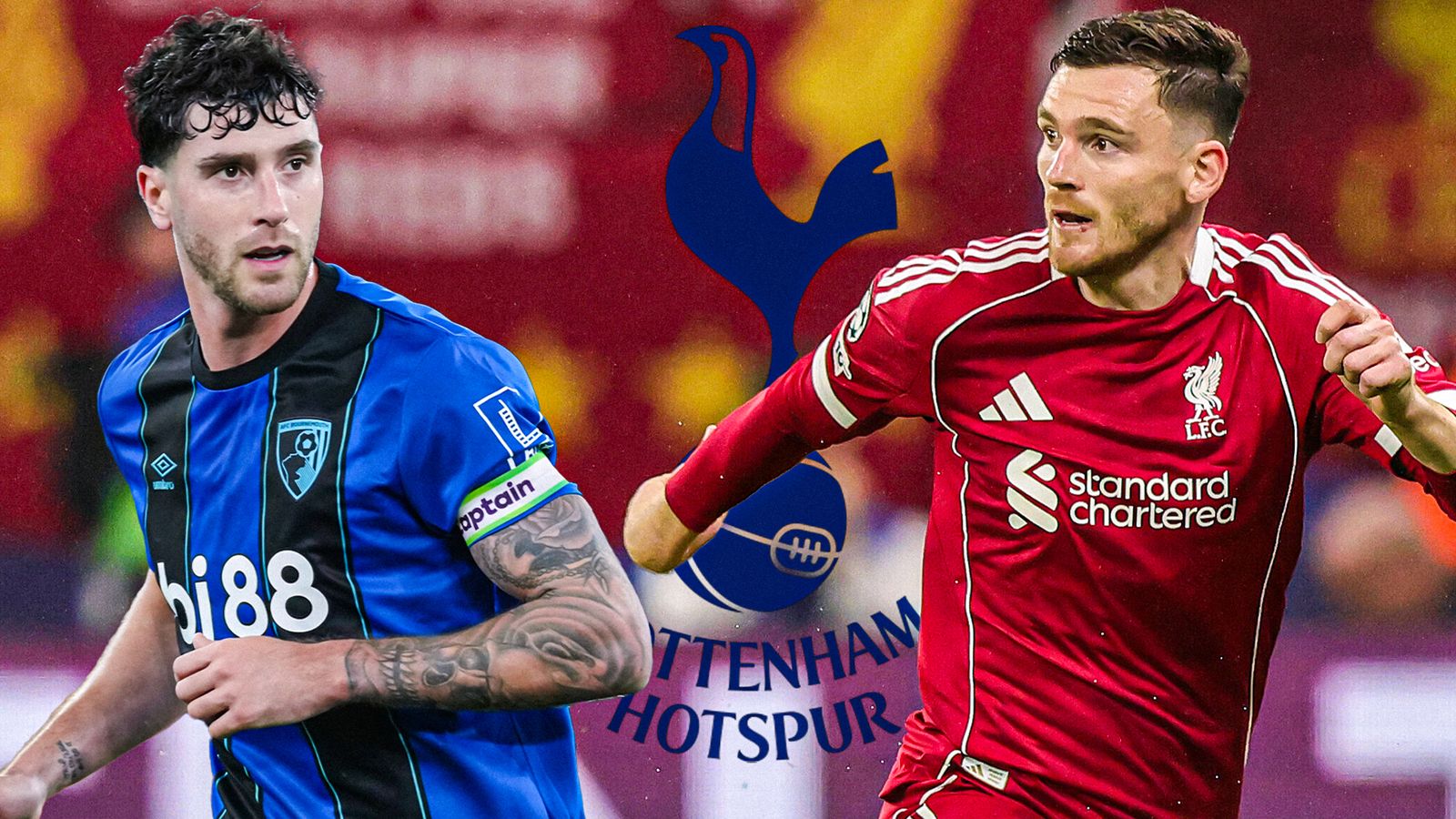
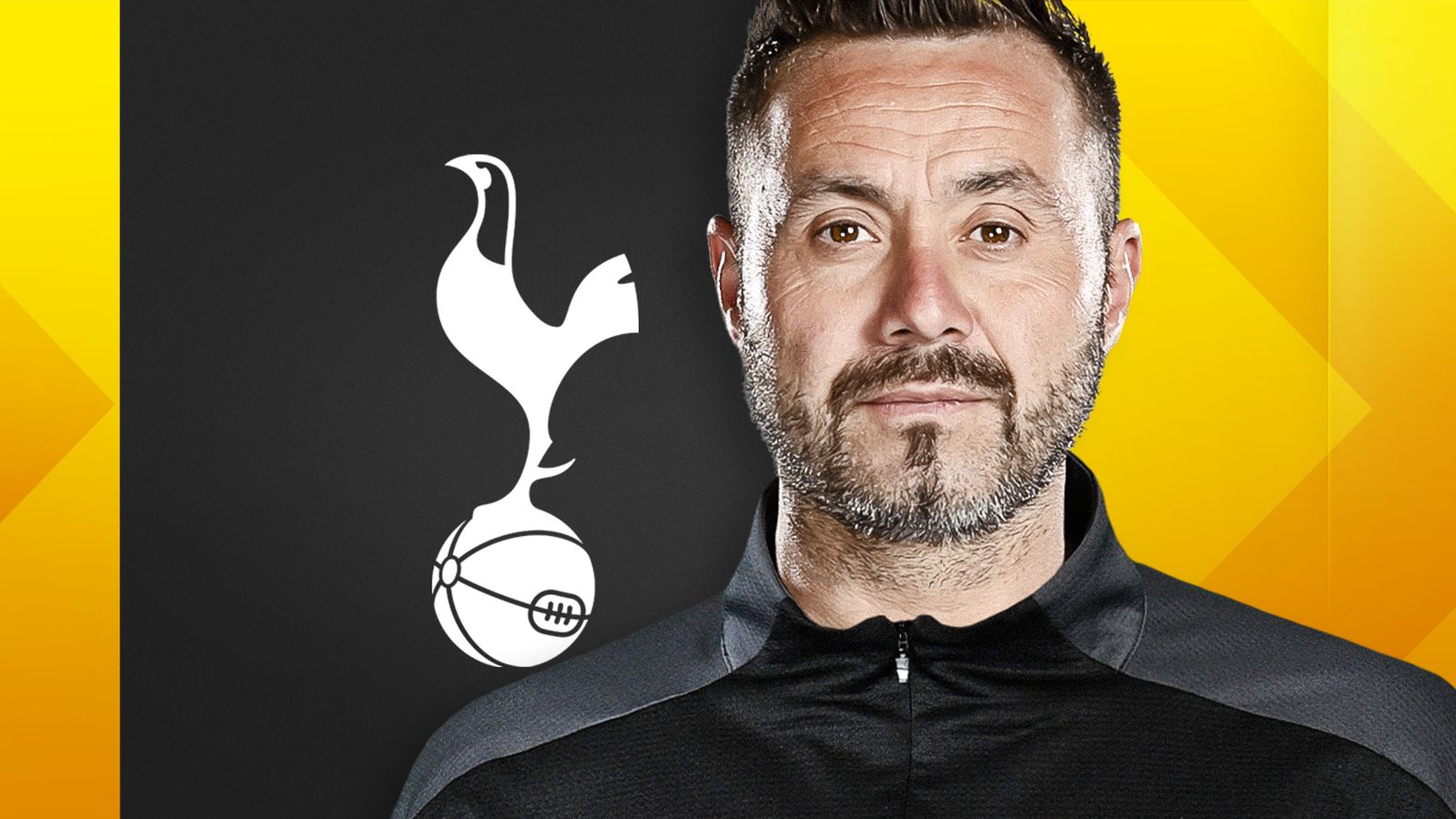
Tottenham abandoned their traditional quiet windows to pursue Marcos Senesi with aggressive intent. This shift signaled a move away from project-based signings toward immediate, established defensive stability. It remains their most daring move under current management.
9. Ibrahima Konate’s Departure Announcement
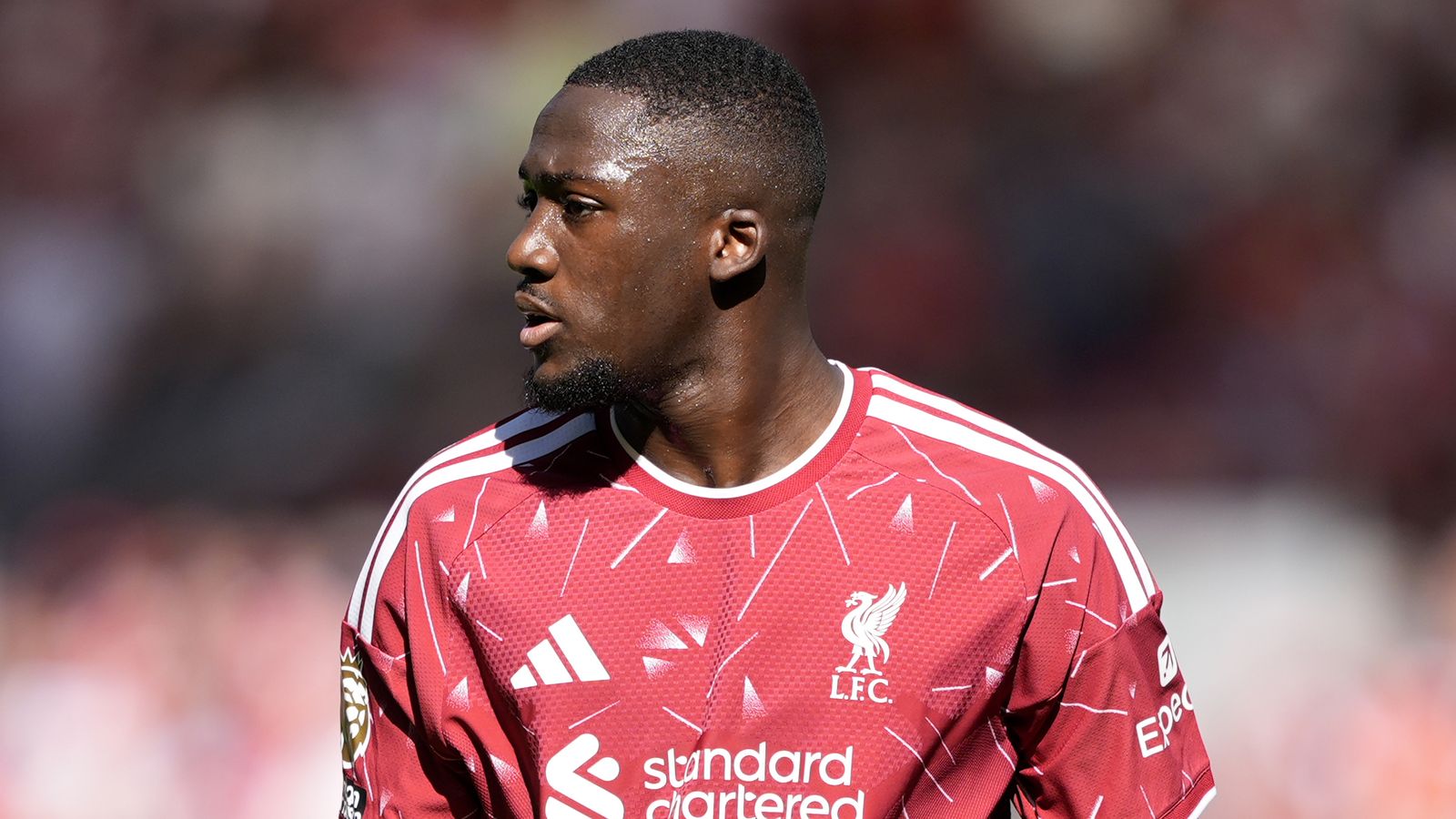
The defensive stability at Anfield took a significant hit when news broke that Ibrahima Konate will exit on a free transfer. As Sky Sports confirmed, the long-term planning at center-back is now in full flux. Replacing a player of his profile mid-cycle is a massive administrative headache.
8. The Qatar Friendly Fallout
The Republic of Ireland secured a 1-0 win against Qatar, but the victory arrived with a punishing body count. Medical staff remain occupied with soft-tissue concerns following a match defined by reckless tackles and twin red cards. It was an unprofessional display that left key personnel sidelined unnecessarily.
7. City’s Tactical Midfield Rotation
Pep Guardiola’s decision to invert three different pivots within a single ten-game stretch defied typical logic. Most managers favor continuity, but this fluid setup forced opponents to scramble throughout the winter months. Critics argue it caused more defensive confusion than offensive gain.
6. The Winter Break Disruption
The shortened winter window created a logjam of fixture congestion that crippled mid-table squads. Teams with thinner depth charts, specifically those outside the top four, saw their injury rates spike by 15 percent. It served as a harsh reminder that roster depth is the only currency that matters in February.
5. Arsenal’s Late-Season Collapse
Arsenal held a five-point lead in April before a catastrophic drop in form against lower-ranked opposition. Tactical rigidity against low blocks saw them drop points in four consecutive matches. It highlights a recurring issue with creative outlets when the primary starter is neutralized.
4. Chelsea’s Coaching Carousel
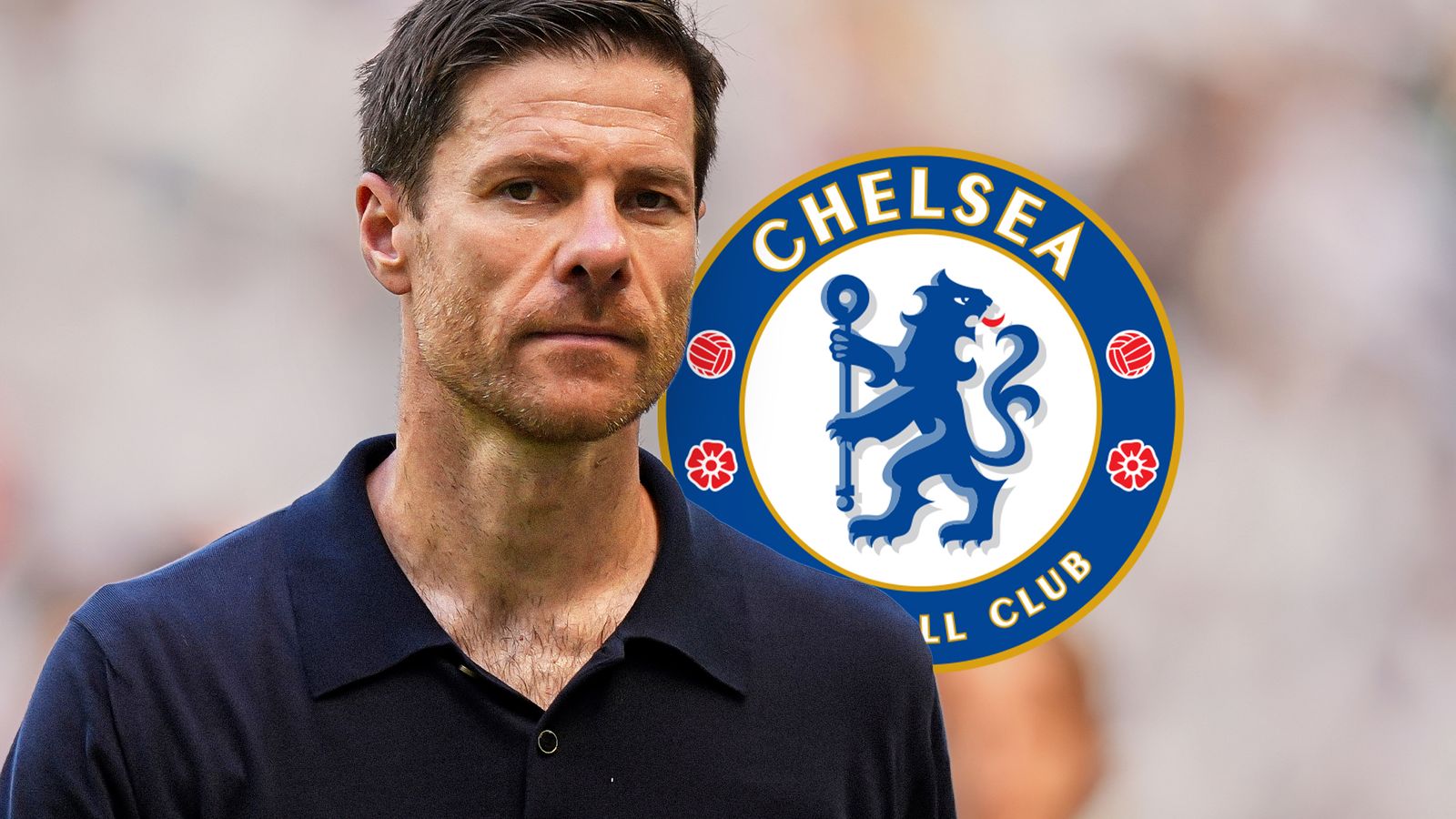
The decision to pivot coaching styles three times in one calendar year set a new standard for instability. While individual performances remained high, the lack of a cohesive philosophy left the squad looking disconnected on the pitch. You cannot build a championship contender on shifting foundations.
3. The North London Derby Intensity
The return leg between Arsenal and Tottenham featured 12 yellow cards and a last-minute winner. It was the most disciplined display of pure chaos seen in years, marking a turning point for both clubs in their race for European spots. High stakes often lead to poor quality, but here, the aggression fueled the spectacle.
2. The Champions League Bracket Redesign
UEFA’s introduction of the new knockout format force-multiplied the pressure on every group stage match. The intensity didn't just peak in May; it hovered at an uncomfortable high since September. It squeezed the life out of domestic leagues but provided the best television ratings in history.
1. Real Madrid’s March Recovery
Down by two goals in the aggregate against Bayern Munich, Real Madrid found a way to survive the 88th minute barrage. Their ability to weaponize individual moments remains the singular difference between them and the rest of the world. No other team punishes lethargy with such ruthless, predictable efficiency.
Honorable Mentions
The sudden rise of tactical analysts influencing match-day squads, the surprise resurgence of veteran strikers in Serie A, and the continued debate over extended injury-time rules. These movements defined the peripheral noise that kept fans engaged during lulls in the weekly schedule.
Read Next