The Big Picture
The 2025/26 campaign represented a violent shift in the domestic hierarchy, defined by organizational instability and high-stakes tactical gambles. From the tactical evolution at the Emirates to the officiating disasters up north, the balance of power remains in flux ahead of the summer break.
The Ranking of Moments
10. The mass protest at Fir Park
The officiating crisis reached a boiling point in the Scottish Premiership when fans forced a match suspension. Disputes over VAR protocols during home fixtures for Celtic and Hearts exposed a lack of uniformity that embarrassed the league. The resulting administrative fallout proved that even top-tier leagues struggle with tech adoption. It belongs at the bottom for overshadowing the actual football.
9. Chelsea’s mid-season coaching pivot
The sudden dismissal of the backroom staff in January signaled a complete surrender on their initial tactical vision. Management spent over 200 million pounds only to revert to a pragmatic, defensive setup midway through the calendar. This flip-flopping kept them out of the top four and confirmed their front-office dysfunction. It serves as a warning against reckless spending during transfer windows.
8. The breakdown in VAR transparency
League officials failed to provide audio clarity during critical reviews, sparking outrage across social media platforms. Fans watched as pivotal penalty decisions ruined the flow of games, as noted in our report on the Fir Park officiating failures. The lack of public accountability makes this a recurring nightmare for spectators. It deserves this spot because it compromised the integrity of the season schedule.
7. Aston Villa’s home record collapse
Villa Park was a fortress until their late-season slide allowed mid-table teams to snatch points regularly. Tactical exhaustion clearly plagued the squad, which featured a high-intensity press that fizzled after February. Losing the Champions League chase wasn't just about bad luck—it was about poor squad depth. They finished strong, but the damage to their European standing was effectively done by April.
6. Manchester City’s defensive reshuffle
The decision to move away from traditional fullbacks changed the landscape of the title race completely. City leaked goals against high-pressing counter-attack units, forcing a late tactical retreat. It proved that even the most dominant squads cannot hide defensive flaws forever. Their second-place finish resulted directly from these early-season tactical hubris.
5. Tottenham’s clinical derby double
Winning both North London Derbies cemented their psychological edge for the first time in years. They managed the game states brilliantly, keeping clean sheets in both 90-minute affairs using a low block. This wasn't beautiful, but it was effective, punishing Arsenal's transition defense repeatedly. Getting 6 points off a rival is the only reason they remained in the European hunt until May.
4. Liverpool’s tactical reinvention
After a stagnant start, the implementation of a inverted midfielder system salvaged their season. Their goal difference plummeted before the change, but they rallied to secure a top-three finish. The fluidity in the final third provided some of the most exciting highlights all year. This remains a masterclass in mid-season adjustment for any coaching staff.
3. The North London title race finale
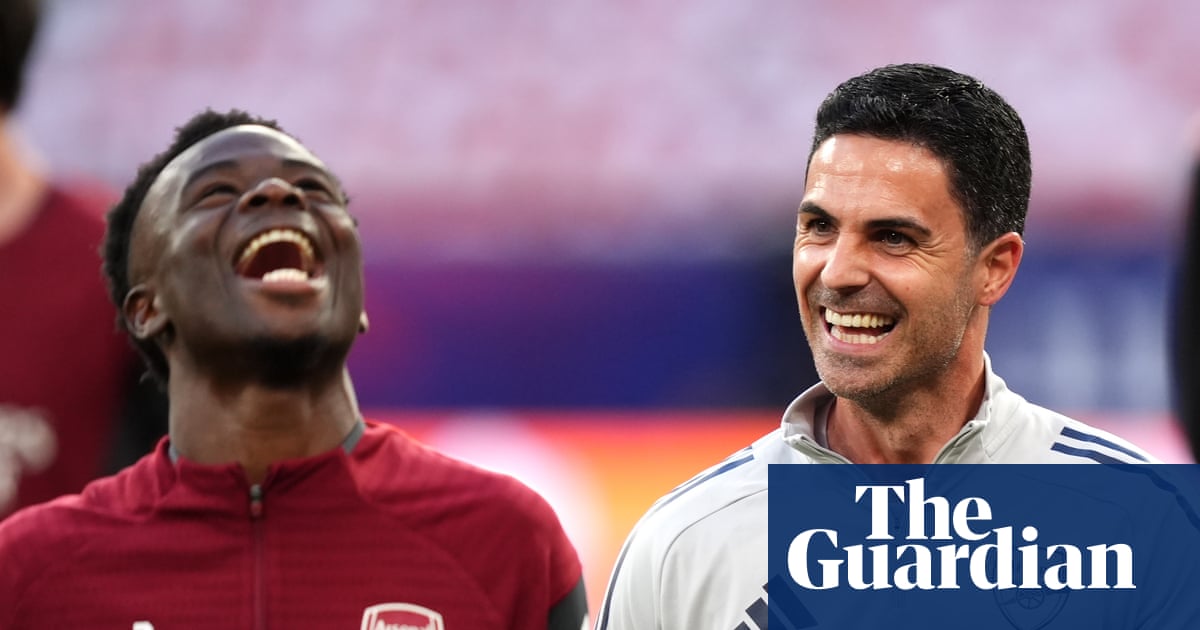
Arsenal secured their first domestic title in 22 years, officially ending a two-decade wait for glory. As reported by Mirror Football, Mikel Arteta is one win away from becoming the club's greatest manager. The relief around the Emirates stadium was tangible during their final match. Their defensive discipline, conceding only 28 goals, formed the spine of this historic campaign.
2. The Champions League final push
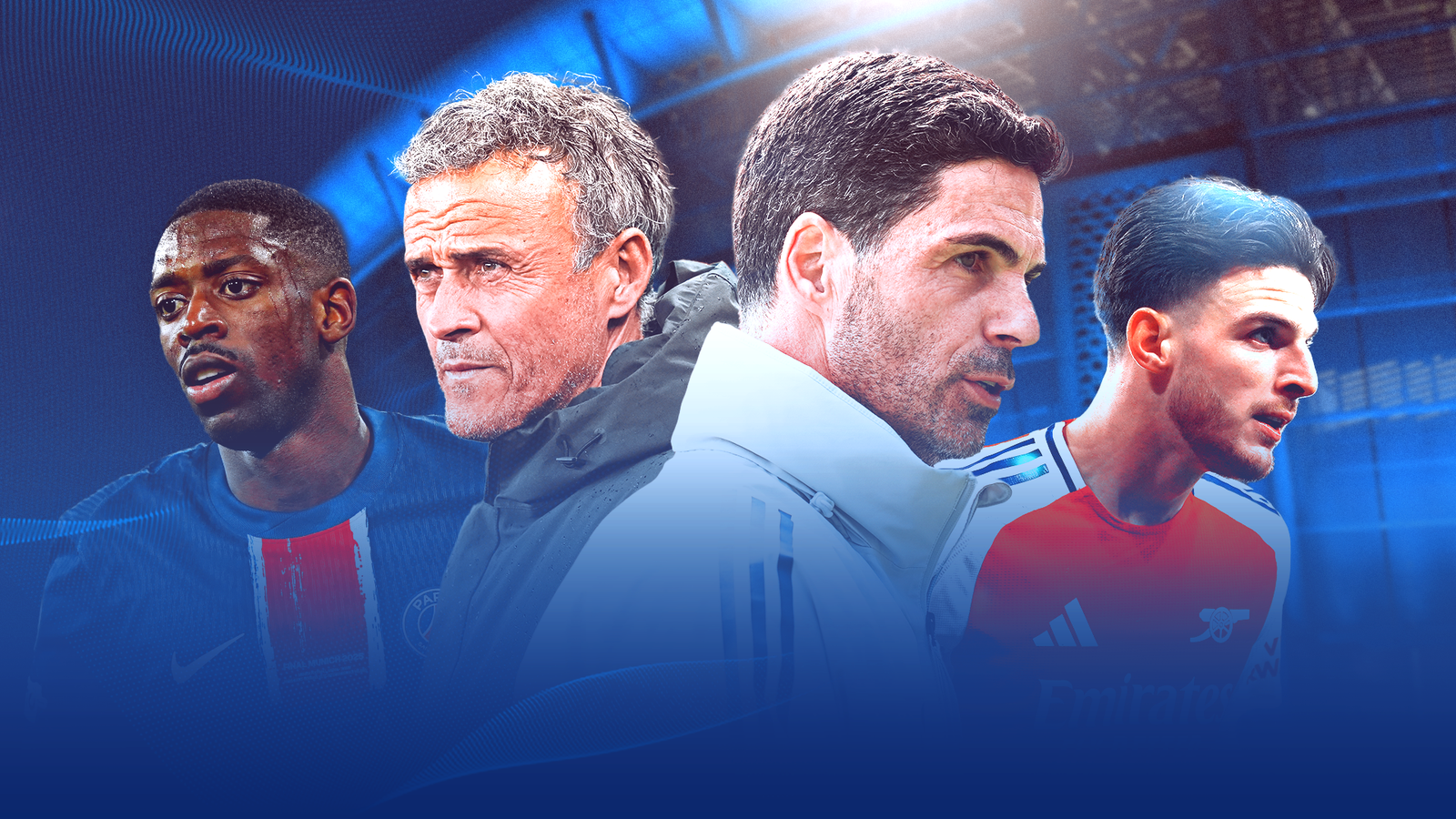
Arsenal’s path to the Paris Saint-Germain showdown represents the peak of English football ambition this year. They overcame significant injury setbacks in the quarter-finals to reach their first final in modern memory. This achievement sits above the league win because it pits them against the elite of Europe. Success here would define a generation of growth for the club.
1. The institutional shift at the top
The total collapse of the traditional 'Big Six' model proved that money no longer buys immunity from failure. Every club mentioned in this list faced internal management turmoil that dictated their placement in the table. The 2025/26 season will be remembered as the year when tactical discipline eclipsed pure bankroll strength. Organizations that prioritized structural continuity outperformed those chasing short-term fixes. It was a chaotic, necessary reset for the sport.
Honorable Mentions
- The surprise resurgence of West Ham in the final 10 matches.
- The debut of the new multi-camera VAR system at Anfield.
- The record-breaking attendance numbers during the season closer.