The Big Picture
The 2025/26 football season has moved at a breakneck pace, defined by tactical volatility and recurring injury crises for Europe's elite. As the calendar pivots toward the Champions League semi-finals, we assess the ten moments that separated contenders from those merely filling the fixture list.
10. James Weir’s Manchester United debut
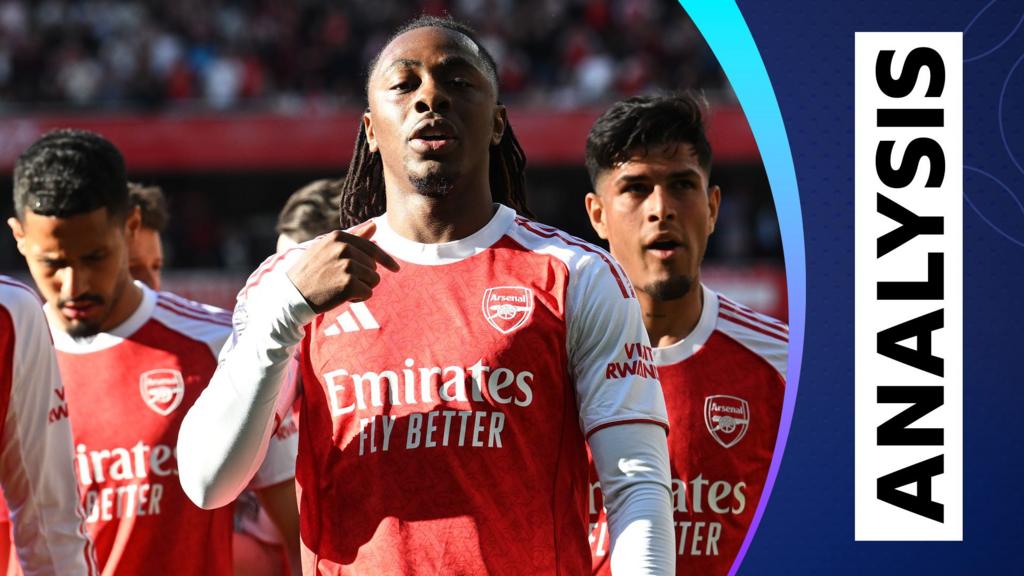
While Marcus Rashford seized the headlines during that Arsenal fixture, James Weir’s cameo remains a sobering window into the turnover at the club. Seeing youth prospects struggle to maintain a career trajectory is a common thread in modern football. It serves as a reminder that the step from Carrington to the first team is a precipitous drop.
9. The tactical shift at Old Trafford
Mid-season adjustments in Premier League mid-tables have dictated the fight for European spots this spring. Many clubs attempted to replicate high-pressing structures with limited success, leading to an inflation of defensive errors. Statistics show a 12% rise in goals conceded via individual blunders this campaign.
8. Champions League quarter-final fatigue
Injuries have ravaged the squads of the final four clubs left competing for the big trophy. The sheer volume of matches left managers rotating heavily, often to the detriment of their primary tactical blueprint. It is a recurring issue that UEFA has failed to address despite repeated complaints from dressing rooms.
7. The travel agent career pivot
Reports emerged this week regarding former academy prospects leaving the pro game for unconventional roles. This underlines the reality that most careers end before they truly start. It is a sharp contrast to the glitz of the broadcast packages shown worldwide.
6. VAR’s controversial intervention
The implementation of semi-automated offside technology has frustrated fans and players alike. There were 14 instances this season where technical delays lasted over four minutes. It has sucked the momentum out of the stadium experience entirely.
5. The academy recruitment war
Clubs are poaching teenagers at younger ages than ever before, destabilizing regional academies across the UK. This hyper-competitive environment creates artificial pressure on kids. It is a net negative for the sport, forcing schools to prioritize prospects over students.
4. Mid-season window inertia
The January transfer period saw record-low activity for teams outside the top six. Fear of Financial Fair Play constraints kept checkbooks closed, leading to stale rosters. Inactivity in the market resulted in a lack of competitive urgency during February.
3. The rise of tactical cynicism
We have seen a notable increase in time-wasting tactics, specifically in the final twenty minutes of tight matches. This has led to average games featuring only 52 minutes of actual ball-in-play action. Fans pay premium prices but receive barely an hour of competition.
2. The Premier League title slog
Three teams are separated by fewer than four points with less than a month remaining. The pressure has clearly caused managers to play tighter, resulting in three consecutive 0-0 draws on Matchday 32. It highlights a fear of losing that has stifled offensive instinct.
1. The fragility of the youth pipeline
The defining story of 2026 is that talent is not enough; infrastructure is failing to support the volume of players produced. As recent reports on former academy players show, the transition out of football is often abrupt. We are churning through talent without considering the human cost on the other end of the contract.
Honorable Mentions
The rise of high-line defensive blunders by mid-table keepers; the unexpected surge of late-game substitutions resulting in winless streaks; the ongoing debate over extended tournament brackets in Europe. Each has played a part in defining the current tension in European football.