The Big Picture
The 2025/26 season is screaming toward a chaotic finish. With the Champions League semi-finals exactly one week away and the Premier League title race descending into a three-way street fight, the stories aren't just about trophies—they're about careers hanging by a thread and unexpected heroes emerging from the shadows.
The Ranking
10. The A-League Leadership Reset
Steve Rosich taking the helm as APL chief executive this week is a pivot point for Australian football. After seasons of fluctuating attendance and boardroom uncertainty, the mandate is simple: eclipse the Big Bash League in viewership and stadium presence. As reported by The Guardian, the sport rests on shaky foundations with several clubs facing uncertain financial projections. It ranks last here because progress is administrative rather than on-pitch, but it remains the most vital organizational story of the spring.
9. West Ham’s Medical Gamble
The Hammers have arguably the most grueling schedule in the league, forced to manage a threadbare squad through a brutal relegation scrap. Their medical team’s decision to rush key midfielders back for the April run-in showcases a refusal to accept the drop that borders on negligence. It highlights the desperation found in the recent reporting on the London survival fight. Without these specific players, the side lacks the defensive shielding required to grind out points.
8. Tottenham’s Fitness Crisis
Mirroring their London rivals, Spurs have seen their high-intensity press collapse under the weight of recurring hamstring issues. This isn't just bad luck; it’s a systemic failure in workload management during the winter window. The reliance on aging veterans to carry the load for 90 minutes has backfired spectacularly in recent weeks. They sit this low only because the quality of the starting XI remains superior to West Ham's roster.
7. The Mid-Season Managerial Carousel
Several high-profile sackings in January completely reshaped the top four race. The tactical shift of clubs firing managers who failed to adapt to the 2026 technical requirements proved that boards have no patience left. While some clubs saw an immediate bounce, others have stagnated, proving that the mid-season replacement strategy is often a cosmetic fix for a fractured locker room. It was a chaotic period that defined the season’s unpredictability.
6. The Champions League Quarter-Final Shocks
The elimination of the tournament favorites in the round of eight shifted global expectations overnight. Watching two Italian giants and the reigning English champions tumble out before the semi-finals was a sobering reality check. It opened the door for perennial underdogs to make a legitimate run at the title. This moment redefined the hierarchy of European football for the next decade.
5. January Transfer Spending Caps
The introduction of tighter financial constraints in the winter market forced clubs to prioritize youth over marquee signings. This led to fewer blockbuster deals but allowed academy graduates to command first-team slots. The performance of these youngsters has been the most pleasant surprise of the year. However, the lack of depth at certain positions has made the title race look erratic rather than composed.
4. The VAR Reform Backlash
The league-wide modification of VAR protocols in February managed to frustrate everyone involved. By limiting review times, referees have been forced into snap judgments that often ignore clear-and-obvious errors. It is a classic case of over-correction, making the officiating feel more rushed and less accurate than last year. The resulting errors have already directly influenced the points gap at both the top and bottom of the table.
3. The North London Derbies
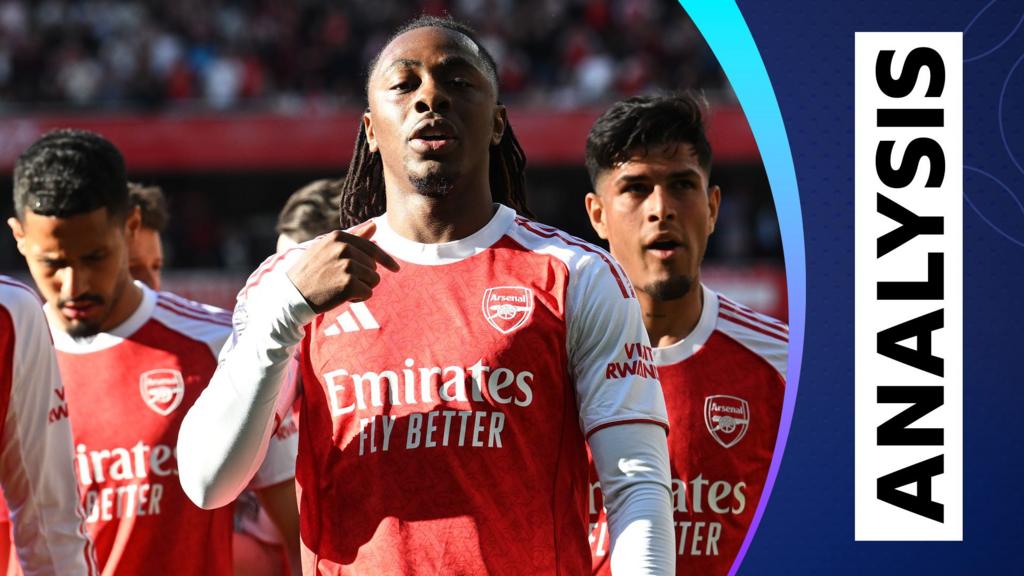
The two league meetings between Arsenal and Tottenham were displays of raw intensity, but the second match in particular was a tactical disaster for Spurs. The defensive line was exposed repeatedly, leading to a 3-0 defeat that effectively derailed their European qualification hopes. Despite the high drama, it was a display of incompetence that fans still find hard to excuse. It deserves the third spot for the sheer impact on the league standings.
2. The Surprise Title Challenger
A mid-table club spending 50 million over the summer to build from the ground up has shocked the traditional elite. Their ascension to the top three is built on a high-possession model that has confused teams relying on reactive, counter-attacking football. Watching them dismantle favorites at home has been the highlight of the tactical season. They have forced the traditional "Big Six" to reconsider their entire squad-building philosophy.
1. The April 14th Collapse
The night the league leaders dropped points in a 2-2 draw to bottom-dwellers was the defining moment of the campaign. It was a failure of focus that handed the momentum to their rivals in the final sprint. This wasn't just poor form; it was a psychological breakdown that revealed the pressure of the title charge. It ranks first because it flipped the script on the championship trophy entirely, making the May 28th final feel like a forgone conclusion for everyone but the fans.
Honorable Mentions
The record-breaking attendance at the Melbourne derby in January and the unexpected resurgence of the 4-4-2 formation in lower-tier tactical shifts. Both show that the game is moving away from the rigid frameworks seen two seasons ago. Fans should continue to monitor these shifts as summer planning begins.