The Big Picture
The 2025/26 season has been defined by defensive collapses and the swift erosion of manager job security. We are witnessing a radical shift where institutional patience has vanished across the major European leagues.
The Rankings
1. The Chelsea Defensive Collapse. Chelsea’s tactical instability reached a breaking point in February when they conceded three goals in 14 minutes against a relegation-threatened side. The back line, once the pride of Cobham, looks disjointed and lost. This moment set the tone for a disastrous spring that saw their Champions League qualification hopes vanish.
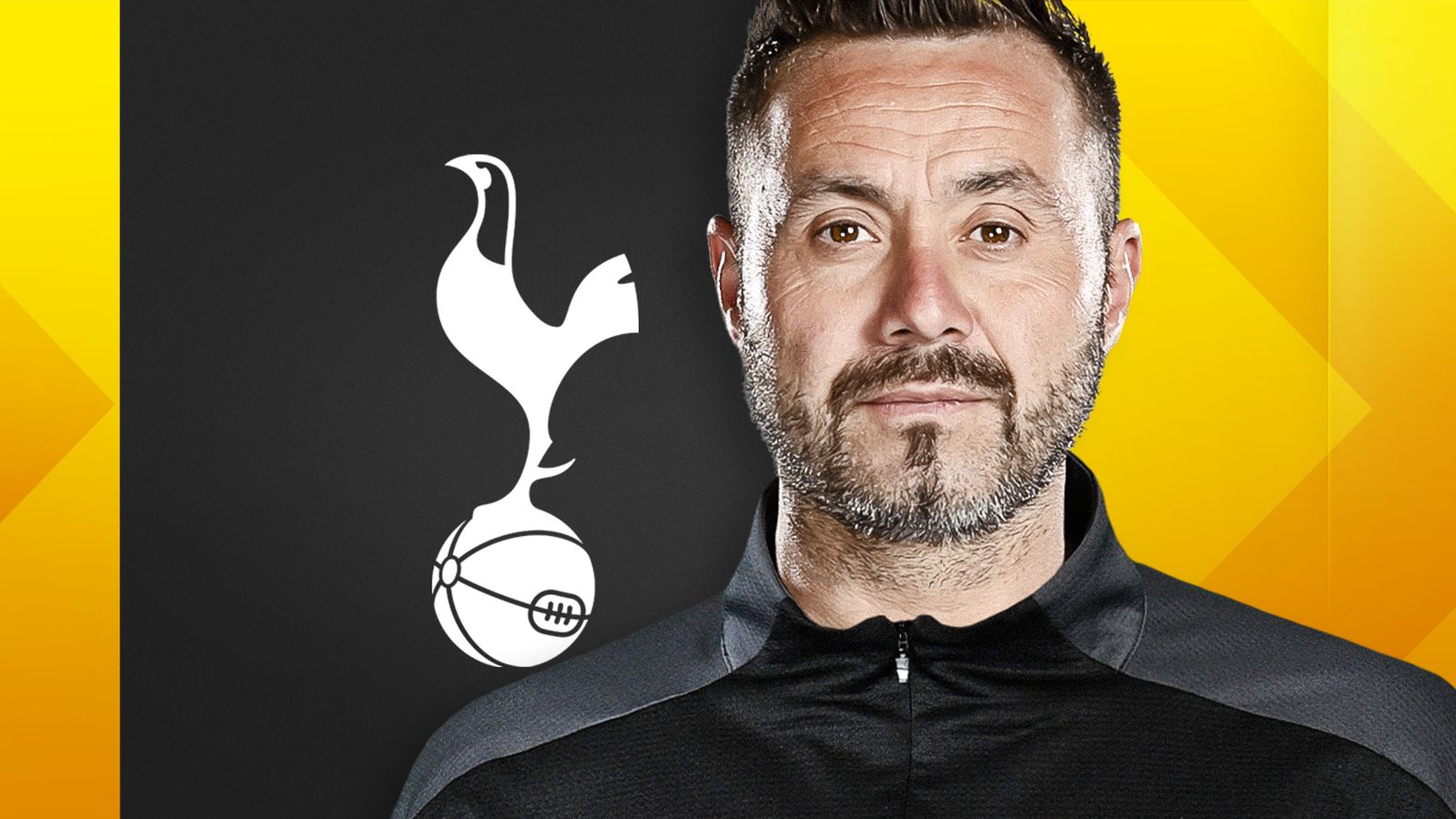
2. De Zerbi’s Appointment at Spurs. Roberto De Zerbi taking the reins at Tottenham was the most significant personnel shift of the calendar year. As reported by Sky Sports, the transition happened in hours, not weeks. It remains the most high-stakes tactical gamble of the 2026 cycle.
3. The Manchester City Midfield Pivot. Pep Guardiola moving Rodri into a hybrid attacking role in late January fundamentally changed the geometry of the Premier League title race. It solved a creative stagnation that had plagued City through the winter months. Critics argued it left the central corridor exposed, but the 14 goals scored in the next four matches silenced that frustration.
4. The Real Madrid Stumble. Carlo Ancelotti’s side dropped five points in two matches at the start of March, handing the initiative back to Barcelona. Ancelotti’s refusal to rotate his veteran core is a ticking time bomb. They are currently clinging to a lead, but the squad looks physically spent for the upcoming Champions League stretch.
5. Bayer Leverkusen’s Unbeaten Streak Termination. For months, it seemed invincible. When Union Berlin finally downed them 2-1 on a cold Tuesday night, the air leaked out of the entire Bundesliga title race. The pressure of the streak clearly inhibited their movement, leading to a desperate, aimless performance.
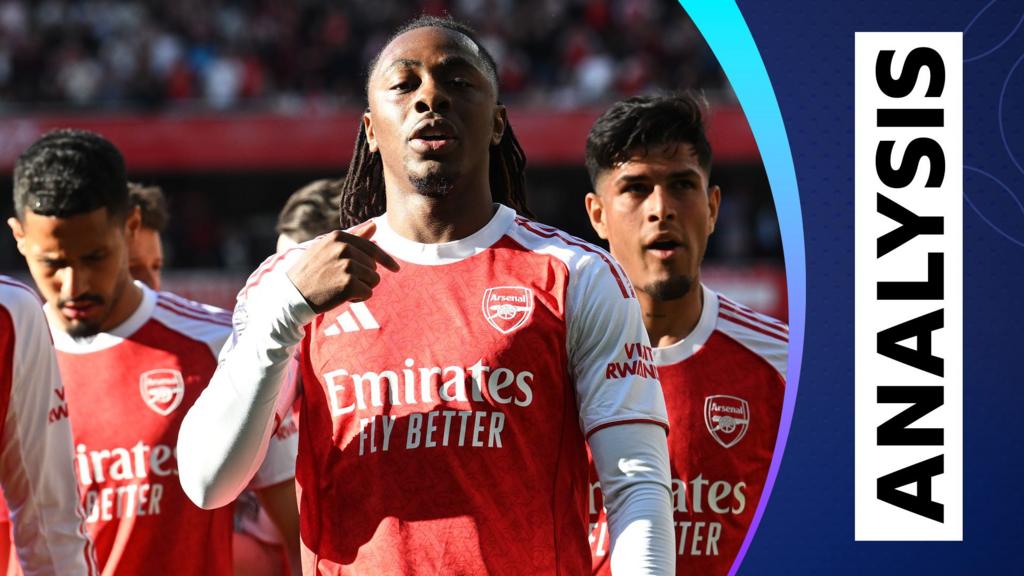
6. Arsenal’s North London Derby Draw. The 2-2 thriller at the Emirates in January served as the ultimate proof that neither club has figured out how to defend against elite transition play. Defensive structures evaporated. It was excellent entertainment, but poor tactical execution from Mikel Arteta.
7. PSG’s Domestic Outing. Losing to a mid-table Ligue 1 side at home in early March was the lowest point for the current regime. It validated the narrative that their roster construction prioritizes marketing headers over positional balance. They are effectively coasting to a title they have zero emotional connection to winning.
8. Liverpool’s FA Cup Exit. Jurgen Klopp’s departure tour hit a wall against a Championship side in the fifth round. The rot started early with a disjointed midfield, and they never recovered. It exposed their bench depth as purely cosmetic.
9. Inter Milan’s Tactical Rigidness. Simone Inzaghi’s reliance on a single formation has become predictable. Opponents have mirrored their 3-5-2 with devastating efficiency over the last two months. If they do not evolve before the quarter-finals, they will exit early.
10. The England vs. Japan Friendly Scheduling. The England vs Japan fixture provided a necessary reality check for the Three Lions. Playing an opponent of that caliber in March tested the depth of Gareth Southgate’s squad. While the result was secondary to experimentation, the lack of coordination in the final third was jarring.
Honorable Mentions
Aston Villa’s late-season dip in form prevented them from breaking the top four. Additionally, the managerial turnover in Serie A has left at least six clubs in a state of purgatory. These moments were impactful but missed the cut due to lack of long-term ramifications.