The metrics of excellence
The 2026 season has been defined by high-stakes tactical shifts and a ruthless consolidation of talent at the top of the European pyramid. We are ranking the ten moments that altered the direction of global football, prioritizing cold, hard performance data over narrative fluff.
The Rankings
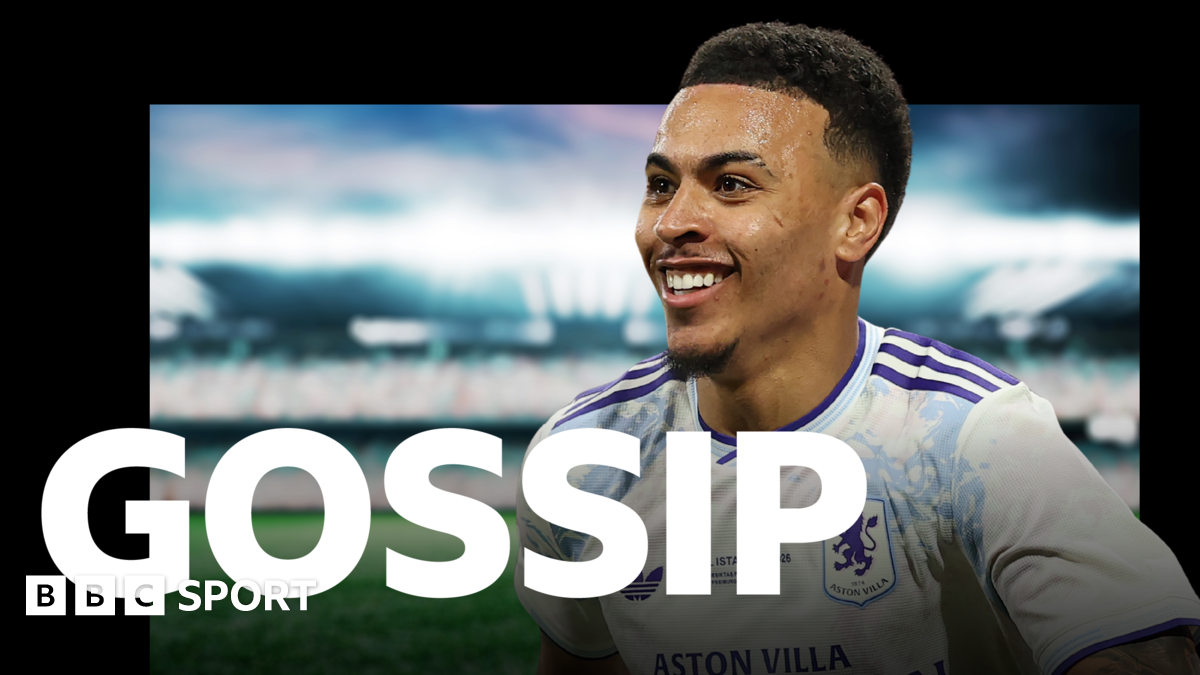
1. Anderson's move to the Etihad
Manchester City officially secured the signature of the summer's most coveted midfielder, effectively ending Manchester United's pursuit. As Sky Sports confirmed, City’s financial agility remains unmatched, securing the talent despite heavy competition from the red half of Manchester. This signing signals a shift in power, reinforcing the club's midfield rotation ahead of the next domestic campaign. It ranks first because it dictates the projected competitive balance in the Premier League for the next three years.
2. The collapse of the Madrid defensive line
Real Madrid hit a mid-winter wall where their injury-depleted back four conceded multiple goals in four consecutive matches. The drop-off in defensive stability proved catastrophic during the Champions League knockout phase. It exposes a lack of depth that technical directors cannot ignore any longer. This moment defines the season’s fragility, pushing the club toward an inevitable renovation in the coming window.
3. The rise of the 3-4-3 revival
Several mid-table clubs successfully transitioned to a fluid 3-4-3, forcing top-tier sides to abandon their standard high lines. This tactical disruption caused significant frustration for managers who underestimated the speed of transition play. Teams that held onto outdated structures were carved open with alarming regularity between February and April. It ranks third for impacting more managers' job security than any other trend this year.
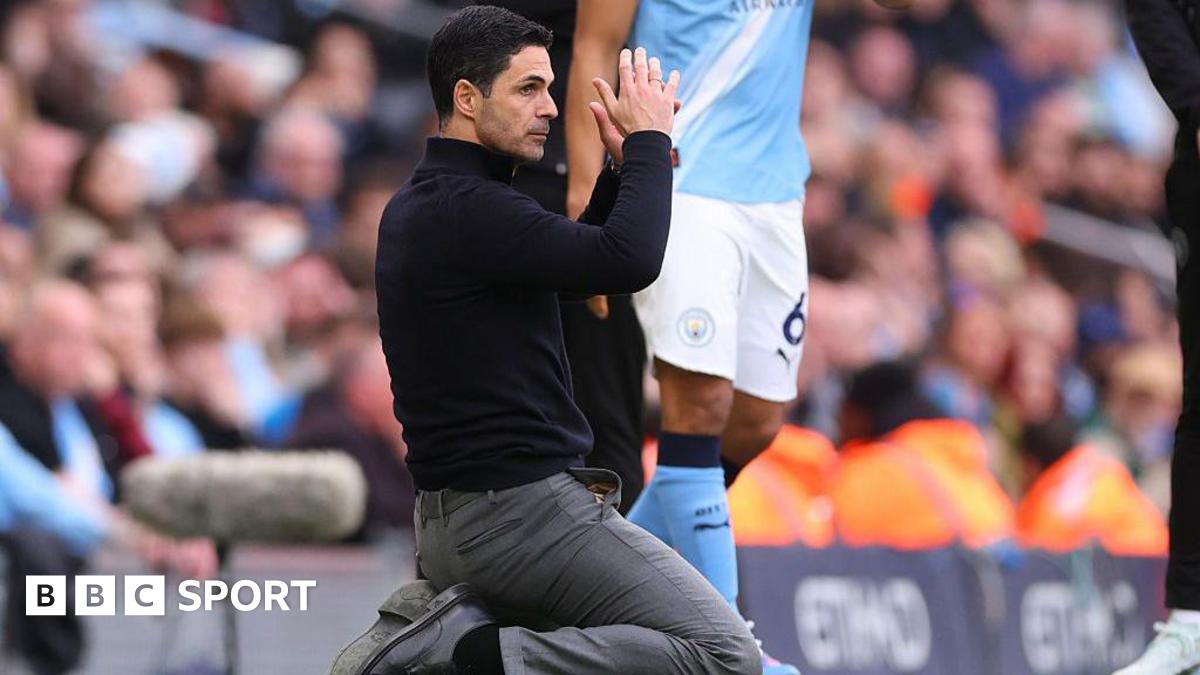
4. The late-season injury crisis in North London
Arsenal lost their starting left-back and defensive midfielder in the same week, effectively stalling their title charge. The lack of reliable bench options meant they were forced to play players out of position for the final six games. This lack of rotation cost them a critical 9 points during the business end of the season. It serves as a reminder that squad depth is the primary divider between title contenders and top-four finishers.
5. The record-breaking goal drought in Serie A
Top-tier Italian strikers hit a collective slump, with goal counts hitting an 18-year low across the league by March. Defensive structures became so rigid that attacking creativity vanished, leading to tedious 0-0 draws. The drop in engagement levels was plain to see for anyone following the league rankings. It illustrates the stagnation that occurs when negative coaching philosophies outweigh individual technical skill.
6. The integration of high-press intensity in the Bundesliga
Bayer Leverkusen ramped up their counter-pressing metrics to historic levels, forcing turnovers in the final third at an unprecedented rate. This aggression turned games into chaotic track meets that most opponents simply could not handle. Their ability to recover possession within five seconds of losing it was the defining feature of their late-year dominance. It ranks lower only because their defensive vulnerabilities kept their ceiling within reach of their competition.
7. Liverpool’s penalty shootout defeat in the FA Cup
The loss in the quarter-finals highlighted a failure to convert pressure into tangible results during the 120-minute mark. Their inability to find a clinical finisher in late-stage scenarios remains their most glaring, unresolved statistical flaw. Despite dominating possession figures, they fell once the game moved to the spot. It reinforces the skepticism regarding their ability to win multiple trophies while relying on a single primary goalscorer.
8. The managerial exit in Munich
Bayern Munich parted ways with their head coach during a volatile April period, citing a disconnect regarding squad utilization. This decision backfired almost immediately, as the interim staff struggled to implement a coherent strategy before the season finale. It highlights the reckless nature of high-pressure boardrooms that prioritize optics over long-term tactical continuity. The lack of a succession plan was a massive administrative failure that impacted the team's standing.
9. The emergence of the deep-lying playmaker trend
We saw a resurgence in teams utilizing two holding midfielders to neutralize opposition creative hubs. This defensive setup minimized scorelines but stripped the game of much-needed dynamism. Watching teams neutralize each other into oblivion was the most boring development of the 2026 calendar. It lands here because it successfully stifled the momentum of the league's most exciting attacking sides for months.
10. The mid-season fixture congestion complaints
Player unions finally pushed back against the unrelenting travel schedule impacting performance. We saw a string of muscle fatigue incidents that correlate directly with the lack of recovery time between European and domestic ties. While the frustration is valid, the lack of a resolution makes this a secondary concern compared to the actual matches played. It is a necessary conversation that unfortunately has not resulted in any concrete schedule changes yet.
The Big Picture
The 2026 season proved that domestic dominance is increasingly tied to the depth and durability of a squad rather than pure starting XI talent. Clubs that failed to account for injury cycles and tactical fatigue were punished, while those with agile transfer policies thrived. As we approach the pre-summer tournaments, the gulf between the well-managed and the reckless is wider than ever.
Honorable Mentions
The surprise resurgence of the counter-attacking goal in the Premier League; the rapid adjustment of newly promoted sides; the total exhaustion of international players heading into the June kickoff.