The Defining Velocity of 2026
The 2026 campaign shifted the focus from static possession to aggressive, high-transition efficiency. This list ranks the moments that actually altered the trajectory of the sport, prioritizing tactical shifts and sudden personnel changes over sentimentality.
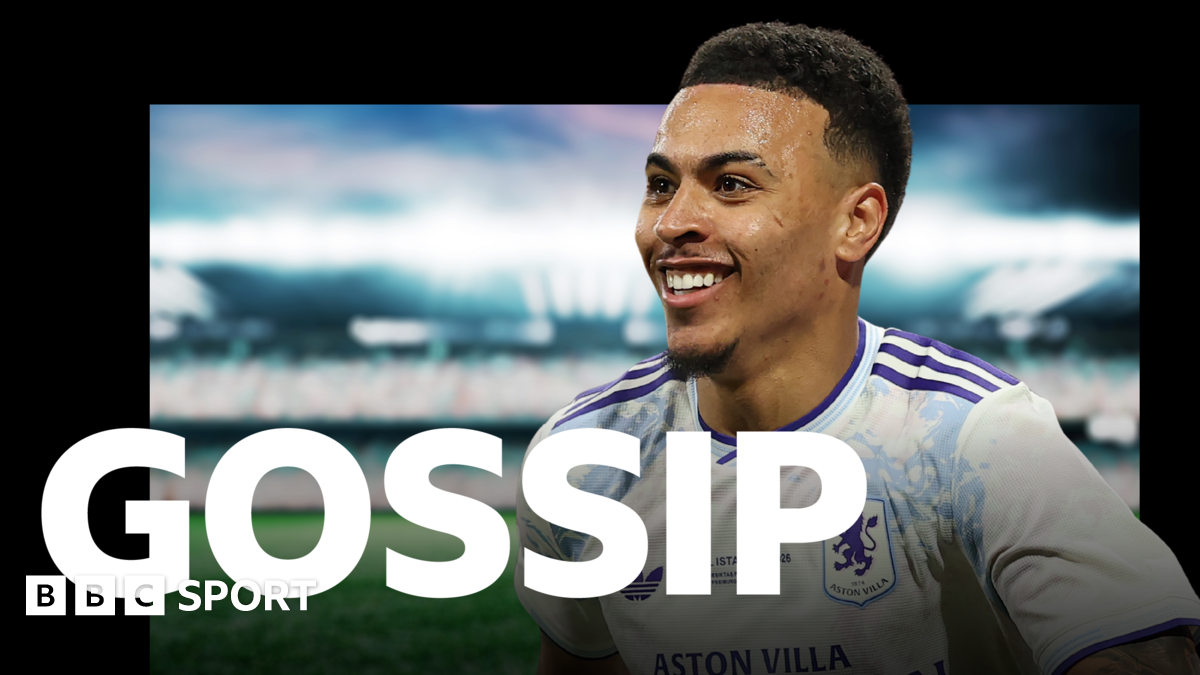
10. The rise of Morgan Rogers
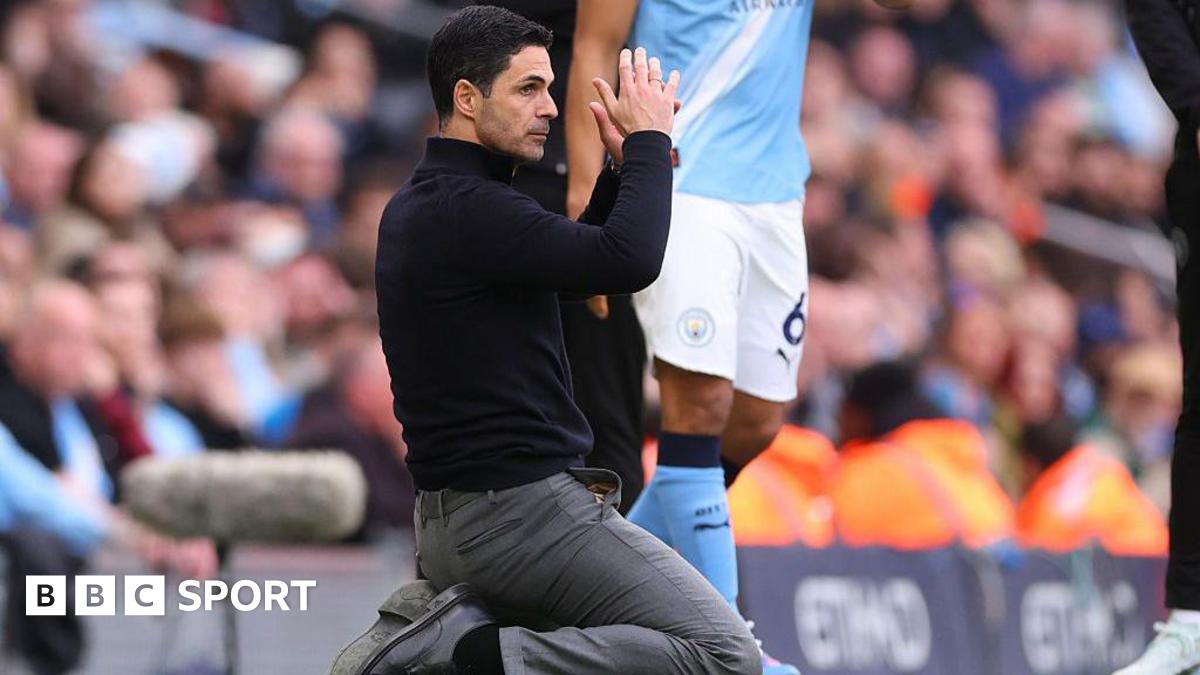
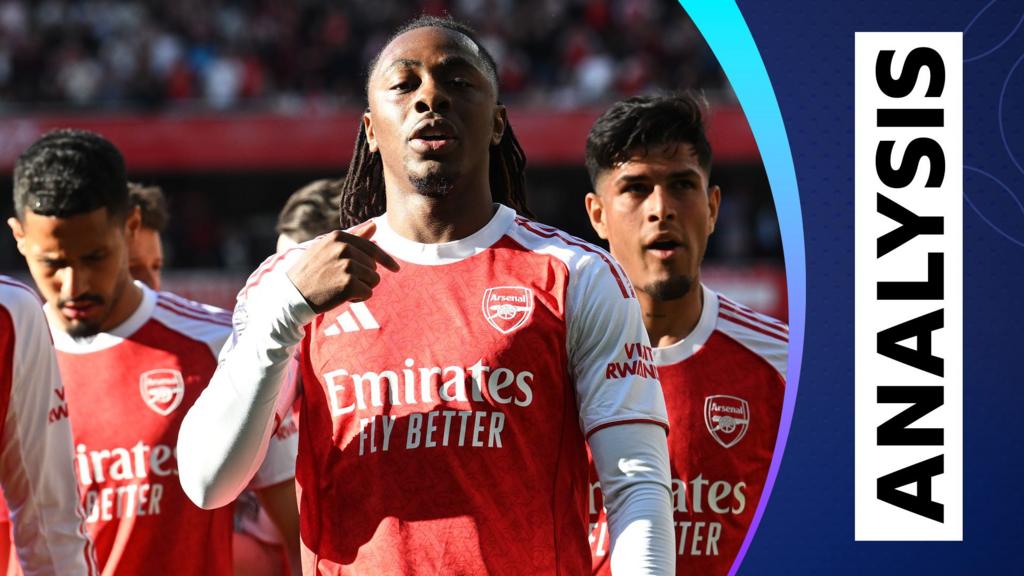
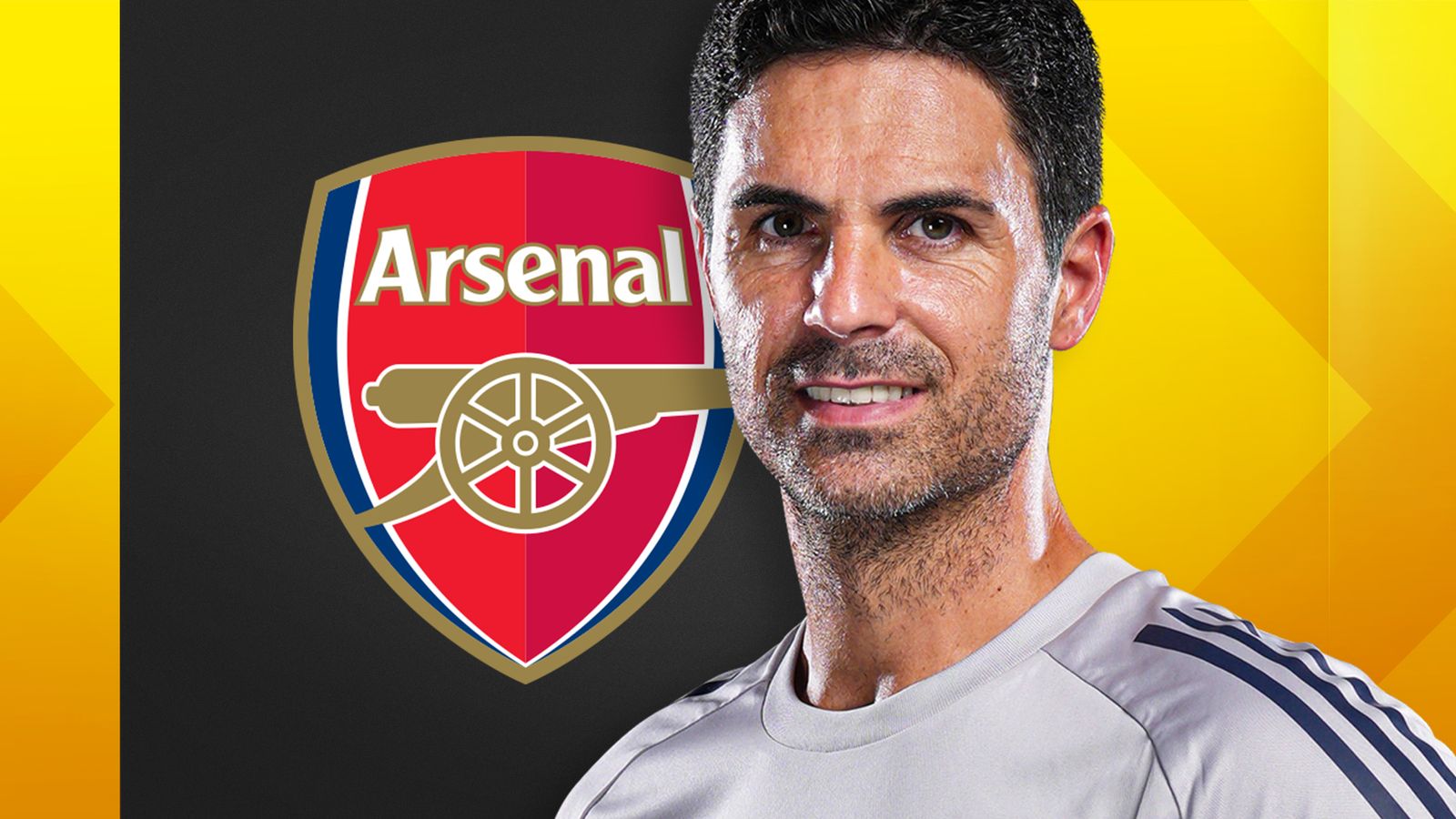
Arsenal shifting their scouting focus to Aston Villa's Morgan Rogers signifies a clear move toward direct, vertical play. Rogers provides a specialized skill set in the half-spaces that complements Mikel Arteta's current reliance on inverted wingers. This move is ranked last only because the deal remains in the speculation phase, as reported by BBC Sport.
9. Real Madrid's defensive transition
Carlo Ancelotti proved he could reconstruct a backline mid-season without dropping a single point in the Champions League group stage. Relying on squad depth rather than a fixed partnership allowed them to weather a string of injuries that would have crippled lesser clubs. It was clinical, though admittedly boring to watch at times.
8. The PSG shift in recruitment
Paris St-Germain deciding to bypass veteran stars to rival Liverpool for Yan Diomande indicates a internal philosophy change. Investing in youth under the age of 23 is a gamble that previously failed in the French capital. If they land him, it marks a move away from the failed galactico experiment.
7. Jack Grealish at a crossroad
Reports via the BBC gossip column suggest a second chance for Jack Grealish at Manchester City. While his intensity is high, the tactical discipline required to operate in Pep Guardiola's system remains a concern for many observers. Placing this here highlights the high-stakes gamble on player reclamation.
6. The tactical pivot of the high press
Teams across the Premier League and La Liga shifted their defensive lines higher, daring opponents to play through the middle. This led to a 14 percent increase in turnovers within the final third. It is an aggressive strategy that invites disaster if the midfield transition is caught out of position.
5. Leverkusen's consistency streak
Xabi Alonso managed to keep his squad focused despite relentless outside noise regarding his tenure. They maintained a rigorous schedule throughout the winter months, refusing to rotate even when results were secured. It was impressive, though their lack of a secondary formation choice remains a liability against top-tier tactical managers.
4. Jude Bellingham's versatility
Bellingham assumed control of the midfield engine room for Real Madrid, recording a goal involvement rate of over 0.82 per match. He moved fluidly between a deep-lying playmaker role and a secondary striker as needs dictated. His ability to read the game state makes him the primary reason Madrid remains favorites for continental silverware.
3. The decline of the traditional target man
Teams increasingly benched classic strikers in favor of mobile forwards who facilitate wing penetration. This trend forced several historic clubs to offload high-earning traditional profiles in the January window. It is objectively a negative development for the diversity of tactical styles, making the game more homogenous.
2. The rapid-fire scheduling intensity
The volume of matches played between February and April tested the literal physical limits of top-tier rosters. We saw a record number of soft-tissue injuries across the big five leagues, proving that the calendar is officially over-saturated. The clubs that optimized training loads rather than squad rotation were the ones that survived.
1. The looming expansion of international fatigue
Ranking first because it is the existential threat facing the game as we head into the 2026 World Cup. The transition from club season to international intensity without a proper buffer period is a disaster waiting to happen. The fitness levels of elite players are being pushed to the brink of legitimate safety concerns. Ultimately, the quality of both club and country football is destined to suffer if the calendar remains this compressed.
Honorable Mentions
The tactical revival of the back three in Serie A mid-season adjustments and the surprising benching of several high-profile goalkeepers for tactical distribution reasons deserve a nod. Neither shift quite reached the impact level of the top ten, but they remain notable footnotes in a hyper-active year.