The Big Picture: Order Is A Myth
Professional football currently operates under the illusion of stability despite constant tactical volatility and recurring managerial instability at the top tier. What we see on the pitch—the late winners, the tactical masterclasses—is merely a thin veneer covering a chaotic pursuit of temporary competitive advantage.
1. Manchester City’s Tactical Pivot
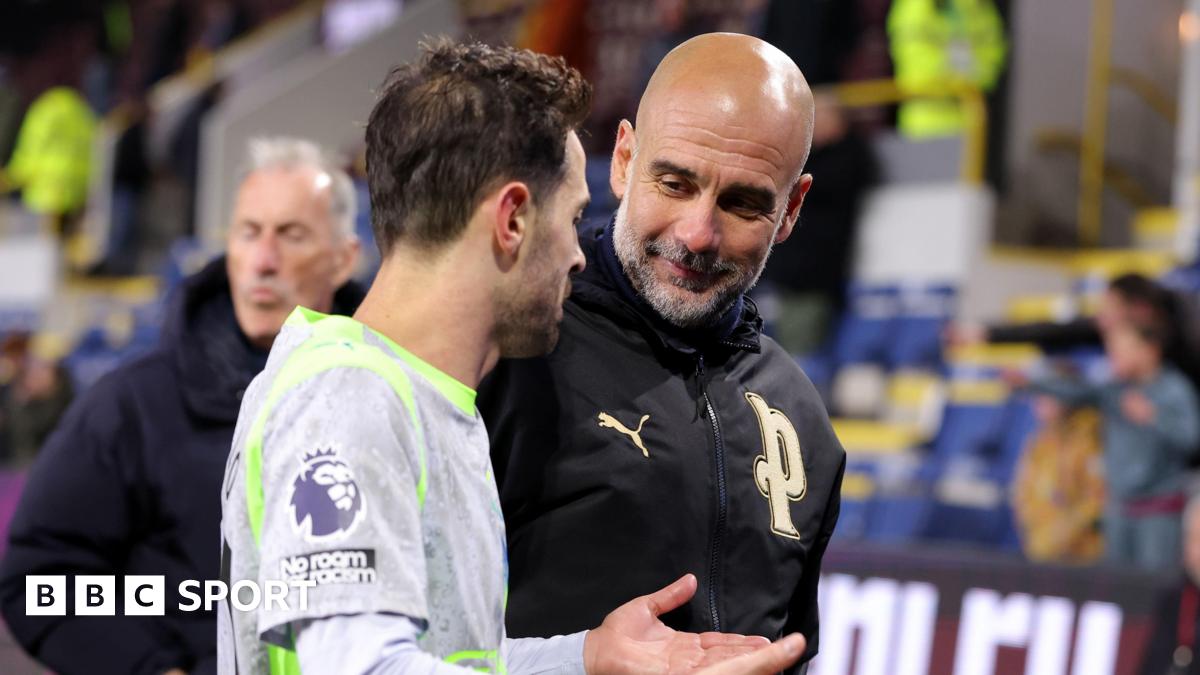
Pep Guardiola’s decision to invert his wingers in March completely dismantled the league's established defensive structures. By pulling wide forwards into the half-space, City created a numerical overload that opponents failed to track for six consecutive matches. It ranks first because no other tactical shift has so thoroughly rendered mid-table back-fours obsolete. This move effectively silenced the critics who claimed their transition play had stagnated during the winter.
2. Lamine Yamal’s Injury Scare
Barcelona’s narrow victory over Celta Vigo last week carried an immediate, sobering reality. As reported recently, the youngster’s lower-limb collision has left medical staff in a state of high-intensity observation. While the win mattered for the table, the long-term cost to the club's UCL aspirations remains the singular focus of their training ground operations. The sheer reliance on a teenager for offensive output is a structural failure regardless of his immense talent.
3. Arsenal’s Fall from the Summit
Arsenal losing their grip on the Premier League title race is the defining narrative of the spring. Their inability to secure points against bottom-half opposition exposed a lack of squad depth that has frustrated the fanbase for months. The team currently sits in second place, trailing Manchester City with only a handful of fixtures remaining. Disappointment reigns, as the tactical lapses against mid-table sides have proven far more costly than any major head-to-head loss.
4. Real Madrid’s UCL Quarter-Final Escape
Madrid’s tactical discipline during their latest European tie was surgical. Forced onto the back foot for large stretches, Carlo Ancelotti retreated into a low block that baffled the opposition’s primary playmaker. They scored in the 82nd minute to force extra time and eventually won the defensive battle. This performance serves as a reminder that experience often beats high-pressing energy in major competitions.
5. Bayer Leverkusen’s Unbeaten Streak
Leverkusen has avoided defeat for nearly seven months. Xabi Alonso’s squad has shifted the expectation of what a balanced team looks like in the Bundesliga. While some point to luck in late winners, the statistics show a team that controls the transition better than any other side in the top five European leagues. Their consistency forces everyone else to play a near-perfect game just to keep pace.
6. The VAR Communication Breakdown in Serie A
The officiating controversy in Milan last month changed the tone of the entire league campaign. Officials signaled a goal, only to overturn it four minutes later after a technical communication error involving the offside monitor. It was a failure of protocol that left players and fans in total confusion. This moment catalyzed a wave of protests against the league’s implementation of semi-automated technology.
7. Liverpool’s Midfield Reconstruction
Jurgen Klopp’s gamble on young, high-energy arrivals paid off early in the season. By replacing ageing veterans with high-pressing recruits, Liverpool discovered a dynamic rhythm that disrupted even the most organized defenses early on. However, the lack of a traditional defensive anchor in the deepest position has meant their high-scoring output is often negated by loose goals. It is a thrilling, albeit reckless, implementation of heavy-metal football.
8. The Return of the Counter-Press in Ligue 1
PSG’s tactical shift toward a high-intensity, vertical style has yielded mixed results but remains a dominant moment of the spring. They are now scoring at record rates but concede high-value chances at an alarming frequency during counter-attacks. It is a brave, if flawed, strategy that prioritizes the spectacle of attacking transitions over defensive safety. The result is consistently chaotic, high-scoring matches that define the modern league identity.
9. Newcastle’s Champions League Fatigue
After a promising start, the grueling schedule of the UCL caught up to the Newcastle squad in February. Injuries mounted, and the tactical rigidity enforced by the coaching staff limited their ability to rotate players. They dropped from a top-four contention spot into a battle for European qualification. It serves as a reminder that depth is the primary currency for teams attempting to manage both domestic and continental duties.
10. Bayern Munich’s Stuttered Finishing
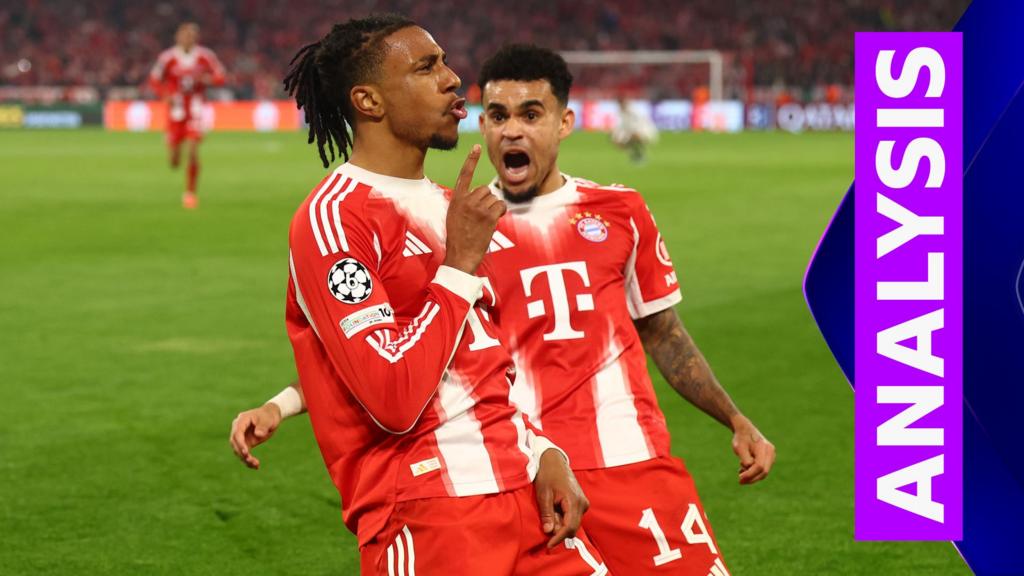
Bayern’s failure to convert expected goals (xG) in their high-stakes matches has been the primary reason for their domestic struggles. Despite dominating possession and creating massive volume in the final third, they finished with a 0-0 scoreline in three separate matches that cost them crucial points. This clinical deficiency suggests that even a tactical powerhouse cannot survive if the strikers lose their edge at the most critical points of the season.
Honorable Mentions
The rise of the Dutch Eredivisie talent factory continues to influence scouting budgets across Europe. Similarly, the unexpected coaching succession at mid-table clubs like Brentford has sparked significant debate about the value of stability versus fresh tactical input. These stories lacked the raw impact to crack the top ten, but they remain foundational to our current understanding of domestic form.