The Big Picture: Order Is A Myth
Professional football currently operates under the illusion of stability despite constant tactical volatility and recurring managerial instability at the top tier. What we see on the pitch—the late winners, the tactical masterclasses—is merely a thin veneer covering a chaotic pursuit of temporary competitive advantage.
1. Manchester City Reclaiming the Summit
Manchester City officially seized the top spot in the Premier League table this week, a move that recalibrates the entire title race as we enter the closing stretch. Their recent form under Pep Guardiola has been relentless, stripping away the vulnerability they showed earlier in the campaign. Getting to the top is the easy part; sustaining this 84-point pace will define their legacy this season. The shift feels final, leaving little room for error for their chasers.
2. The Sudden Exit of Liam Rosenior from Chelsea
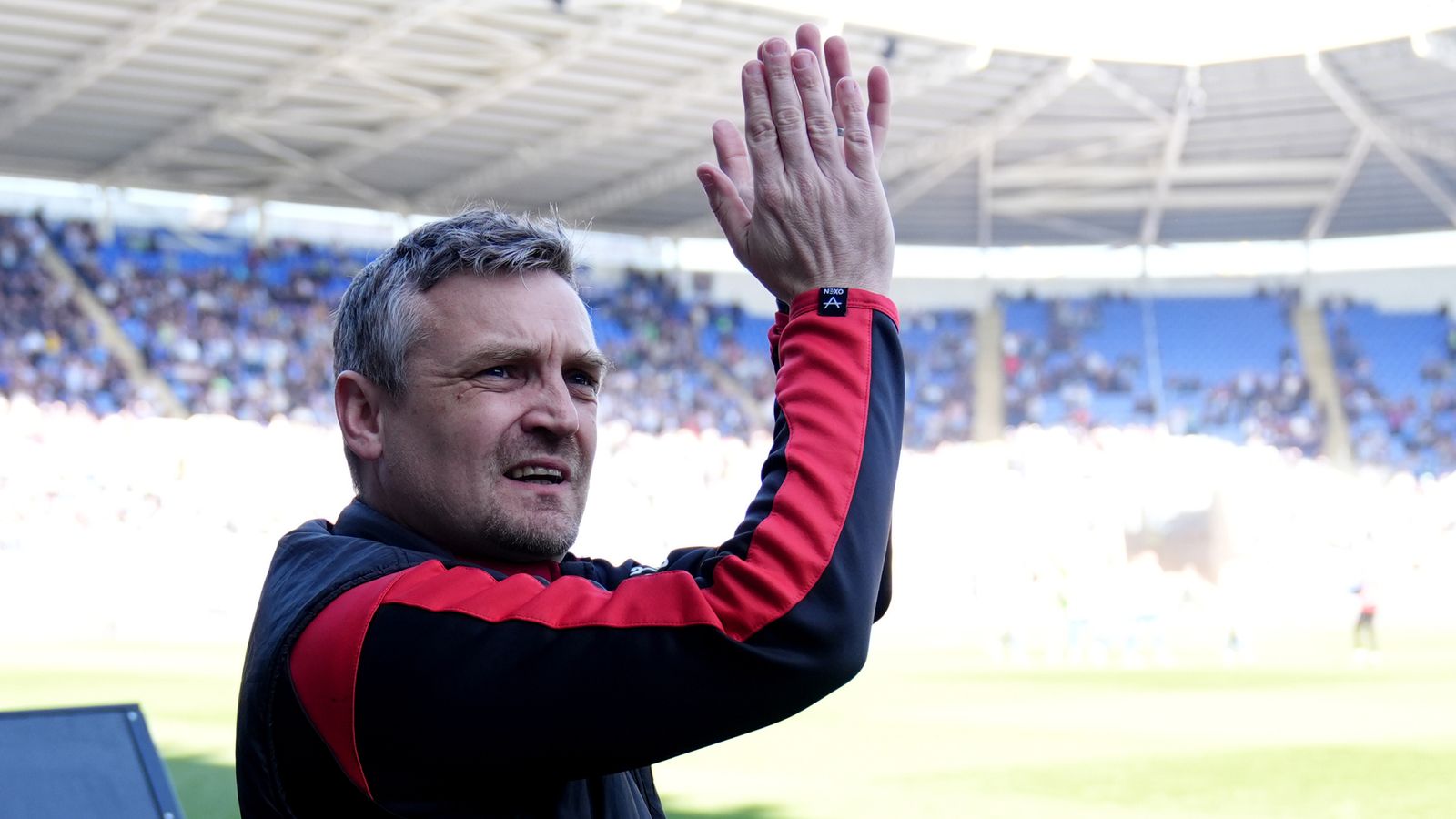
The shock departure of Liam Rosenior from the Chelsea dugout represents the ultimate failure of modern project-based management. According to reports discussed on the latest BBC Debrief, the internal disconnect between the board and the coaching staff had reached a breaking point. It was a messy, public dissolution that leaves the club directionless just weeks before the season concludes. No matter how much money is burned on transfers, tactical continuity remains the only currency that matters.
3. Arsenal’s 3-1 Tactical Collapse at Anfield
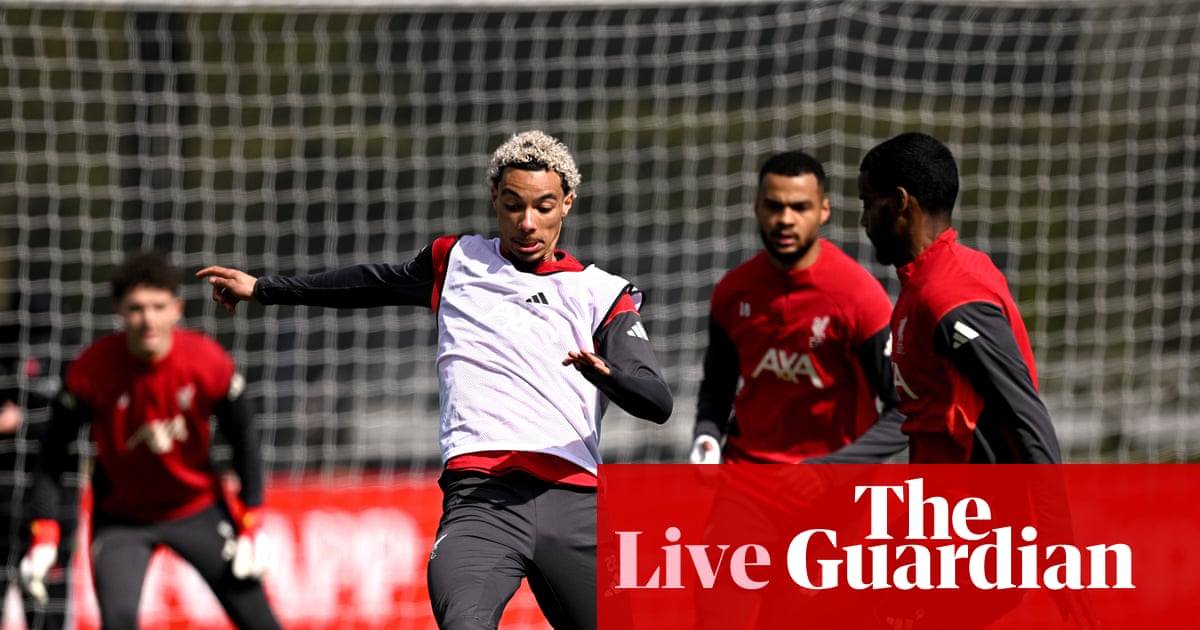
The match at Anfield last Thursday served as a brutal reminder of Arsenal’s inability to close out high-pressure games when the stakes are at their height. They held a lead early, but their defensive shell crumbled under sustained pressure after the 71st minute. The failure to contain the wide channels allowed Liverpool to pick them apart, essentially handing City the initiative. It was an inexcusable capitulation for a side fighting for the trophy.
4. Bayer Leverkusen’s Unbeaten Streak Retention
Xabi Alonso continues to defy traditional coaching models by keeping his side undefeated well into April. The consistency is bordering on the absurd, as they are not just winning, but winning with a style that forces opponents to abandon their own game plans by halftime. This isn't just luck; it is a clinical demonstration of discipline. Most teams would have blinked under this level of pressure, but Leverkusen seems entirely immune to nerves.
5. The Champions League Quarter-Final Referees
VAR intervention—or the lack thereof—across the midweek ties remains the most tedious variable in the tournament. We saw multiple penalties ignored in the opening legs, which directly altered the expected goals outcomes for several favorites. A single whistle can ruin a season of preparation, yet we allow these decisions to remain as opaque as ever. The officiating quality is currently cratering the integrity of the closing stage.
6. Real Madrid’s Midfield Pivot in the Deep Block
Carlo Ancelotti proved again why he is the master of survival by shifting his midfield into a low block during the return leg of their European matchup. They ceded 68 percent of possession but created more high-quality chances on the break than their opponents did all night. It was ugly, defensive, and entirely effective football. Purists might hate the lack of aesthetics, but top-tier management is rarely about beauty.
7. The Rise of the Young Generation at Barcelona
Flick has finally entrusted the starting spots to the academy graduates, and the speed of their integration is alarming to the rest of La Liga. These kids are playing with a tactical maturity that usually takes five years to cultivate. They are not merely filling gaps; they are dictating the tempo of high-stakes matches. This group is the most exciting project in Europe right now, provided the board does not sell them off for quick cash.
8. The Persistent Inefficiency of Manchester United
Watching Manchester United play under their current setup is a study in wasting talent. They routinely win the possession battle while losing the actual match because the final ball remains non-existent. It is a chronic issue that highlights how deep the flaws within the recruitment strategy run. Until they find a primary creator, they will continue to wallow in mediocrity regardless of who wears the armband.
9. Julian Nagelsmann’s Defensive Over-Adjustment
In his recent league appearance, the tactical shift to a three-at-the-back system backfired as the opponent found pockets of space behind the wing-backs. It was a classic over-think moment where a manager tried to solve a nonexistent problem and created three new ones. The vulnerability on the counter-attack was staggering to witness at this level. You cannot tinker with the chemistry when you are already winning.
10. The Saudi Pro League’s Winter Recruitment Strategy
The mid-season push to poach established European bench players has reached a point of diminishing returns. We are seeing major clubs hold onto their depth because the market for replacements has become impossibly expensive to navigate. It is a slow, creeping realization that money cannot buy depth overnight. The league is currently paying for the privilege of disrupting their own development track.
Honorable Mentions
The consistent failure of bottom-half teams to play out from the back has become a running joke during post-match analysis. Also, the late-game subs from Brighton that repeatedly turn a draw into a defeat deserve a special place in the history of tactical blunders.