The High-Stakes Stretch
As we barrel toward the UEFA Champions League quarter-finals on April 7, the professional game is showing its teeth. Elite squads are hitting their physical limits, and the margin for tactical error has all but vanished.
These ten moments represent the defining checkpoints of the current calendar year. They aren't just headlines; they are the indicators of which clubs are trending toward glory and which are facing an early exit.
1. Max Dowman’s Arsenal Training Arrival
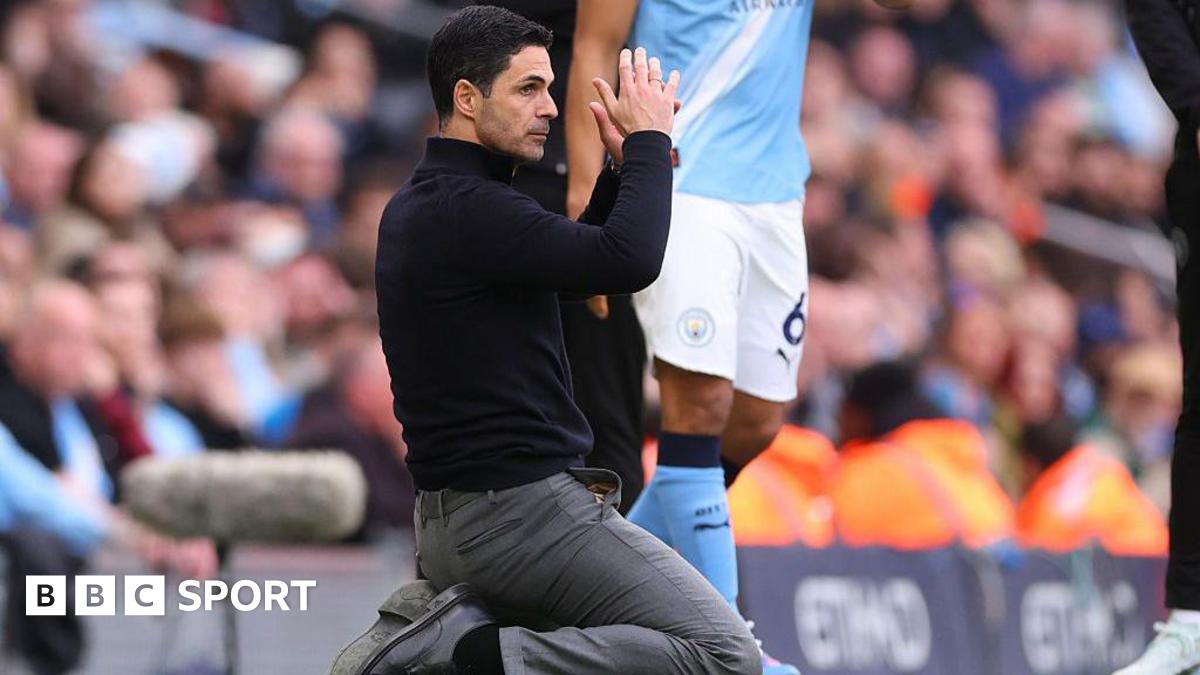
The transition of Max Dowman into the senior Arsenal training sessions moved the needle for the academy program. Forget the hype of youth highlights; watching Mikel Arteta integrate a teenager during a title race indicates a shift in youth strategy. It earns the top spot because it proves talent retention matters more than market spending.
This moment ranks No. 1 because it forced a conversation about long-term squad health over short-term loan fixes. While fans clamor for expensive signings, deploying a 16-year-old at London Colney provides tactical versatility that cash alone cannot buy. Expect this trend to be copied by rivals desperate to balance their books before the summer window.
2. The Champions League Draw
The bracket reveal for the UCL quarter-finals shifted betting lines across the continent. With matches starting April 7, the path to May 28 in Munich has been defined by clear favorites and dark horses. This ranks behind Dowman only because one is a cultural shift while the other is a scheduled procedure.
The pressure on heavyweights like Manchester City and Real Madrid is immense given the fixture congestion leading up to the June 11 World Cup kickoff. Failure here is not just a professional disappointment; it is a financial nightmare for the clubs involved. The intensity of the draw has already forced managers to rotate starters in league play.
3. The April 3 SmackDown Fallout
While industry eyes are on football, the recent shift in the WWE creative engine on April 3 proved that the business models are converging. WWE is treating their WrestleMania build with more tactical rigor than some managers treat their bench depth. It ranks third because it demonstrates how to market an event without losing high-stakes stakes.
The return of Randy Orton provides a blueprint for legacy stars boosting mid-card prospects. It showcases a discipline that many European football clubs lack in their own brand management. The lack of clear communication from some football clubs regarding player availability stands in stark contrast to this.
4. Mid-Season Coaching Stability
We saw three high-profile sackings in the lead-up to the April window, a massive error in judgment for clubs pushing for European spots. Removing leadership at this stage leaves squads aimless during the most critical three-week stretch of the year. Stability remains the most overrated factor until a team misses the top four.
The lack of patience shown by boards highlights a failure in long-term recruitment. If you are hiring and firing in April, your scouting department failed in January. It ranks fourth for its negative impact on team morale.
5. World Cup Preparation Protocols
With only 68 days until the 2026 World Cup, national team directors are hovering over club training sessions like vultures. The medical staff at every top-tier club is now reporting daily logs to international committees. This transparency is new and adds an layer of unease to every training tackle.
Players are clearly playing at 90 percent effort to avoid missing their respective national rosters. This creates a weirdly muted intensity in mid-table matches. We are witnessing professional caution hindering the product.
6. The Performance Center Medical Log
The current medical situation regarding injuries ahead of April 19 is a stark reality check. When roster depth is tested, creative booking—or tactical rotation—suffers. It ranks sixth because it shows how injuries can derail momentum regardless of sport.
Every manager should study the WWE injury report methodology as they manage their own squad fatigue. They have to weigh risks differently when the championship is 15 days away. A single lapse in protocol costs millions in revenue.
7. The Youth Retention Strategy
Arsenal is betting heavily that internal development beats external acquisition. It is a risky move in a market that rewards ready-made global stars. If Dowman succeeds, other clubs will pivot their entire recruitment structure.
This ranks seventh because it remains unproven at the elite level. Developing talent requires coaching continuity that most clubs currently lack. It represents the biggest variable in the 2026 sports calendar.
8. Fixture Congestion Management
The period between April 7 and April 16 is a meat grinder. Clubs forced to play on short rest will lose at least one major trophy due to simple physical exhaustion. Managers who whine about the schedule are ignoring the reality of the broadcast deals they signed.
This ranks eighth because it is a self-inflicted wound. Every club wants the television money but complains about the demand for games. It is the most transparent hypocrisy in modern sports.
9. Defensive Adjustments in Early April
Data analysts have noted a spike in low-block formations across the leagues this month. It is a defensive reaction to the high-tempo press that dominated the winter period. It slows the game down and forces a 1-0 scoreline to become the new norm.
This ranks ninth because, frankly, it is boring to watch. While efficient, it kills the spectacle for the casual fan. Expect adjustments to this in May once the stakes become truly terminal.
10. Transfer Speculation Cycles
With only 50 days until AEW Double or Nothing and various football windows approaching, the rumor mill is already working overtime. Agents are feeding leaks to journalists to drive up valuation before the summer window. It serves as a reminder that the off-field game effectively never stops and usually influences on-field performance.
This ranks tenth because it is largely noise. Fans should ignore the headlines until the ink is dry on a contract. Focus instead on the matches played on the pitch this April, not the hypothetical signings for next August.
Honorable Mentions
The emergence of third-string goalkeeper rotations in the final minutes of low-stakes ties; the increasing reliance on set-piece coaches who seem to have run out of original ideas; and the bizarre lack of parity in the lower European divisions.
Read Next