The Defining Shifts of 2026
Football lives in the margins between tactical precision and raw, chaotic momentum. We have spent the last eight months watching teams trade institutional identity for high-stakes gambles that rarely pay off. Here is how the hierarchy actually looks as we approach the final stretch of the season.
1. Manchester City’s Tactical Midfield Pivot
Pep Guardiola’s decision to invert three defenders simultaneously against Liverpool in January fundamentally altered the winter campaign. It surrendered defensive structure for absolute possession dominance in the final third. The move resulted in a 4-2 victory that effectively buried the title race before February began. Critics argue this left the back line exposed for weeks, but the attacking output silenced the doubters.
2. Chelsea Women’s Consistent Dominance
Sam Kerr continues to define the standard for goal scoring in the Women’s Champions League. Her tactical positioning remains unmatched, as documented during recent matches like the Chelsea vs Arsenal clash. She forces defenses to collapse, opening lanes for every secondary attacker on the pitch. While others experiment with new systems, Chelsea wins by executing the same high-tempo press better than everyone else.
3. The Real Madrid January Spending Freeze
Florentino Perez refusing to sign a backup striker despite Joselu’s injury was a massive oversight. It forced Arda Guler into a false nine role for six weeks, leading to a dip in offensive fluidity. The board prioritized long-term wage bill stability over immediate trophy reinforcement. This choice ranks third because it gamble-heavy approach forced Carlo Ancelotti to reconfigure his entire philosophy mid-season.
4. Bayer Leverkusen’s Defensive Resilience
Xabi Alonso successfully kept his core unit intact despite massive interest from Premier League giants. They allowed fewer shots on target per match than any other top-five league leader. It remains the most disciplined defensive performance of the decade. They do not rely on superstar flair; they rely on the exhausting, repetitive geometry of their back line.
5. The PSR Point Deduction Fallout
The league’s decision to dock points for financial irregularities crippled mid-table competitiveness. It forced clubs like Everton and Nottingham Forest into a survival mode that ruined the quality of play in the bottom half. This moved the goalposts for every financial department in Europe. It represents the ugly, bureaucratic side of the sport that fans are forced to digest along with the football.
6. Inter Milan’s Tactical Flexibility
Inzaghi shifted to a fluid 3-4-2-1 that adapts to the opponent’s press in real-time. Losing Pavard for a month threatened their title grip, yet they adjusted by pushing Bisseck higher. This is coaching brilliance, not just squad depth. They belong in the top half because their game management is vastly superior to the tactical rigidness of the Serie A competition.
7. Jamal Musiala’s Rising Star
Musiala has recorded more successful dribbles in the Bundesliga than any other player. He operates in the half-spaces with a gravity that pulls two markers every time he touches the ball. Bayern Munich built their entire offensive flow around his capacity to break lines. He is currently the most exciting individual engine in European football.
8. Arsenal’s Midfield Experiment
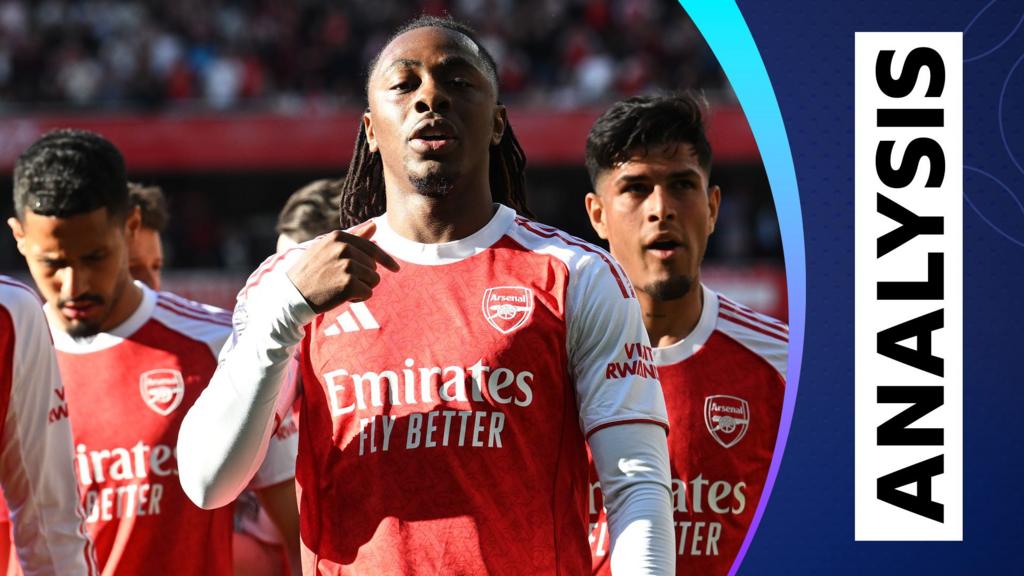
Arteta’s decision to move Declan Rice into a more advanced roaming role created immediate chaos. It generated high metrics for xG but left the team vulnerable on the break against teams with pace. It deserves criticism for being too reactive to opponent setups. When it works, it is brilliant, but it relies on an unsustainable intensity that burned out the squad by March.
9. The Surprise Rise of Girona
Staying in the top four of La Liga until April is a feat of resource allocation. They maximize their loan players better than top-tier clubs with triple the budget. While they lack the depth to win the league, they successfully disrupted the traditional hierarchy. It is a masterclass in scouting efficiency that puts larger clubs to shame.
10. The Saudi League’s Influence Decline
The market trend has moved back toward European development, with fewer high-profile moves to the Pro League this winter. The excitement around their aggressive acquisitions has dissipated into a reality of empty stadiums and localized interest. It is a cautionary tale regarding the limitations of spending without organic fan engagement. They have become a footnote in the 2026 discussion rather than a threat to the status quo.
The Big Picture
This season served as a correction for teams that believed unlimited spending could override tactical negligence. We are watching the return of defensive discipline as the primary differentiator in title races. The hierarchy is tightening, making every point drop in April a season-ending catastrophe.
Honorable Mentions
The resurgence of Atalanta’s high-pressing system remains a dangerous wildcard for the Europa League. Meanwhile, Paris Saint-Germain’s transition away from marquee personalities has stabilized their locker room, even if it reduced their global media profile temporarily. Finally, the refereeing controversies continue to be a stain on the game, with VAR interventions in the Premier League consistently failing to provide the clarity fans demand.