The defining sequence of a chaotic calendar
The 2025-26 campaign stretched squads to the breaking point with a condensed schedule ahead of this summer's tournament. These ten moments represent the apex of individual brilliance and structural failure alike.
Real Madrid's comeback against Bayern
Trailing 2-0 on aggregate in the semi-final second leg, Madrid scored thrice in 15 minutes. It was surgical destruction of a high press that felt inevitable if you ignore the defensive lapses that started the mess. Vinicius Jr provided the spark, but the tactical shift to a low block was the true difference maker.
The Manchester City defensive collapse
In mid-February, City allowed 12 goals across four matches, exposing a lack of cover for Rodri. This drop-off cost them the top spot in the Premier League for three consecutive weeks. It was a failure of recruitment that left the backline without pace against direct counter-attacking setups.
The Arsenal winning streak
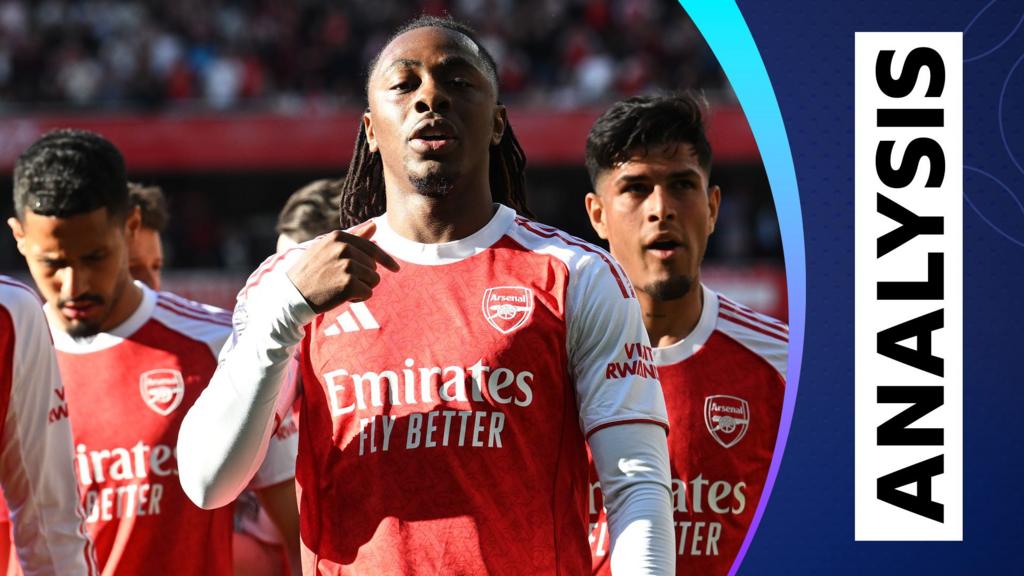
From January to April, the North London outfit reeled off 14 straight victories. Their consistency effectively turned the title race into a procession of efficiency rather than a contest. Saka’s movement inside from the wing created gaps that no bottom-half team could plug effectively.
Bayer Leverkusen's undefeated run continues
Xabi Alonso’s side secured another domestic double with zero league losses across 34 games. The technical discipline required to maintain this level is borderline mechanical. Their late winners were rarely luck; they were a byproduct of extreme patience in possession.
Liverpool's mid-season transition
Following the tactical reshuffle in October, Liverpool shifted to a hybrid inverted-fullback formation that confounded top-tier opponents. This gamble initially looked like a defensive disaster before solidifying into a cohesive unit by March. They were the most entertaining team to watch regardless of the score.
Inter Milan’s defensive shutouts
In Europe, Inter went 450 minutes without conceding a goal during the knockout stages. Their 5-4-1 block is a frustration, not a joy, yet it remains the most effective tool in continental football. Whether this style damages the watchability of the game is a debate for another day.
Aston Villa's Champions League qualification
Unai Emery guided Villa to a top-four finish, the most impressive managerial feat in English football this year. Every win was ground out through defensive organization and high-transition speed. They deservedly pushed traditional giants out of the qualification spots by beating them at their own game.
The emergence of young talent in France
Several teenagers moved into regular starting roles during the autumn months, forcing clubs to prioritize development over transfers. This market shift suggests that the financial squeeze is finally reaching the elite. Clubs moving linked players like Fernandez and Gordon is no longer the only way to field a competitive XI.
Barcelona's financial compliance crisis
The registration saga involving key signings dominated the news cycle for months. It highlighted deeper structural issues that make long-term planning impossible for a club of that size. The off-field drama was often more compelling than the matches themselves.
Chelsea's record-breaking rotation
Using 33 different starters before reaching the turn of the year, Chelsea set a benchmark for instability. No amount of talent can compensate for the lack of a settled spine. It was a masterclass in how not to build a squad despite massive investment.
The Big Picture
The season was defined by a widening chasm between hyper-organized tactical setups and the financial volatility plaguing the biggest clubs. As squads prepare for the World Cup in two weeks, the fatigue evident in these moments is a warning sign of an unsustainable march through the calendar.
Honorable Mentions
The tactical masterclasses from smaller clubs in the FA Cup provided a break from the predictable grind at the top of the table. Also, the officiating consistency in the Champions League improved significantly, resulting in fewer VAR reviews and faster game restarts.