The Lead: The Big Picture at Old Trafford
Manchester United is executing a massive pivot as the INEOS regime takes complete control of the sporting operations. With the summer of 2026 representing the ultimate turning point for the club's trajectory, the decisions made this month will define the next decade of football in Stretford. From boardroom financial discipline to stadium redevelopment, the club is rushing to build a cohesive structure capable of returning to the pinnacle of English football.
Ranking the Top 10 Pillars of the Rebuild
10. Old Trafford Modernization
The home of Manchester United is desperately showing its age. Old Trafford currently holds a capacity of 74,197, making it the third-largest stadium in England behind Wembley and Twickenham. However, it looks like a relic compared to the massive ground featured in The Mirror's stadium capacity breakdown, the Narendra Modi Stadium in India, which boasts a capacity of 132,000. Sir Jim Ratcliffe wants a world-class venue, but the current leaked roof and cramped concourses are an embarrassment to a club of this stature. Rebuilding the stadium is ranked tenth because structural steel does not score goals, yet fixing this rotting theater of dreams is essential for long-term commercial parity.
9. Roster Cleanout
Recruitment mistakes under previous administrations have clogged the wage bill. High-earning underperformers like Antony and Casemiro are occupying vital squad slots without producing corresponding on-field returns. Jason Wilcox must show no sentimentality in clearing this expensive deadwood to free up room under financial regulations. Selling these players is incredibly difficult due to their massive salary demands, which currently creates a massive bottleneck for incoming transfers. It ranks ninth because while clearing the books is vital, finding buyers for declining stars in their thirties remains a massive, unresolved headache.
8. Marcus Rashford
The English winger remains one of the most polarizing figures at Old Trafford. His output has fluctuated wildly, and his defensive work rate frequently draws heavy criticism from fans and analysts alike. Under Michael Carrick, Rashford must prove he can adapt to a structured pressing scheme rather than relying solely on counter-attacking sprints. If he fails to show consistent intensity, the club may have to make the difficult decision to cash in on their academy graduate. We rank him eighth because his talent is undeniable, yet his lack of consistent application represents a massive tactical luxury that United can no longer afford.
7. Central Defense Rebuild
United's defensive solidity was nonexistent last season due to constant injuries and aging options. Lisandro Martínez is a world-class aggressive defender, but he cannot carry the backline alone when partnered with players who lack pace or technical ability. The club needs a young, athletic center-back who can defend in high space and build play cleanly under pressure. Without this defensive foundation, Carrick's possession-based system will collapse against elite counter-pressing teams. This ranks seventh because a shaky defense neutralizes the brilliant work of the midfielders, making an elite signing in this area completely non-negotiable.
6. Rasmus Højlund
The young Danish striker possesses all the raw physical attributes to lead the line for a decade. However, his movement in the penalty area is often static, and he struggles to convert the high-quality chances created by his teammates. Højlund must develop better chemistry with his wingers and learn to run the channels more effectively to fully utilize his frame. If he cannot increase his goal tally, the pressure will intensify, forcing the recruitment team to look for alternative goal-scorers. He ranks sixth because striker development takes time, but United cannot afford another season of toothless attacking displays in tight matches.
5. Alejandro Garnacho
The Argentine winger is the most electric young attacker currently wearing the red shirt. His ability to beat defenders on the outside and create chaos in transition is a vital weapon for Carrick's side. However, Garnacho still makes poor decisions in the final third, occasionally shooting from tight angles instead of passing to open teammates. Improving his goal and assist conversion rates is the next step to becoming a truly world-class winger. He sits at fifth because his explosive talent wins matches, but he must refine his output to match the efficiency of the league's elite forwards.
4. Kobbie Mainoo
The teenage midfielder has quickly become the heartbeat of United's transition play. Mainoo possesses rare press-resistance, allowing him to escape tight spaces and progress the ball cleanly into the final third. To take the next step, he must improve his defensive positioning and physical stamina to avoid being overrun in high-intensity Premier League matches. His partnership with the captain is the foundation of the team's creative engine. We place him fourth because his elite ceiling makes him virtually untouchable, and his tactical fit alongside the senior playmakers is vital to the club's long-term plan.
3. Executive Recruitment Reform
Omar Berrada and Jason Wilcox represent the structural brains behind the new Manchester United. Their primary task is navigating Profit and Sustainability Rules (PSR) while rebuilding a squad that has suffered from years of overspending. The duo must establish a strict wage structure to prevent the bloated contracts that previously paralyzed the club's sporting operations. If they fail to balance the books, United risks severe points deductions that would ruin any progress on the pitch. They rank third because without their financial discipline and structural reform, no manager can succeed at this club, regardless of their tactical brilliance.
2. Michael Carrick's Blueprint
The head coach is facing the ultimate test of his managerial career. Carrick must transition the team away from the reactive, chaotic style of the Ruben Amorim era toward a modern, possession-dominant philosophy. He has shown tactical flexibility in his early matches, but he must prove he can build consistent attacking patterns that break down low blocks. If the tactical plan fails to produce results by winter, the board's patience will quickly run out. We place him at second because his coaching philosophy will directly dictate whether the squad's expensive talent is maximized or completely wasted on the pitch.
1. Bruno Fernandes
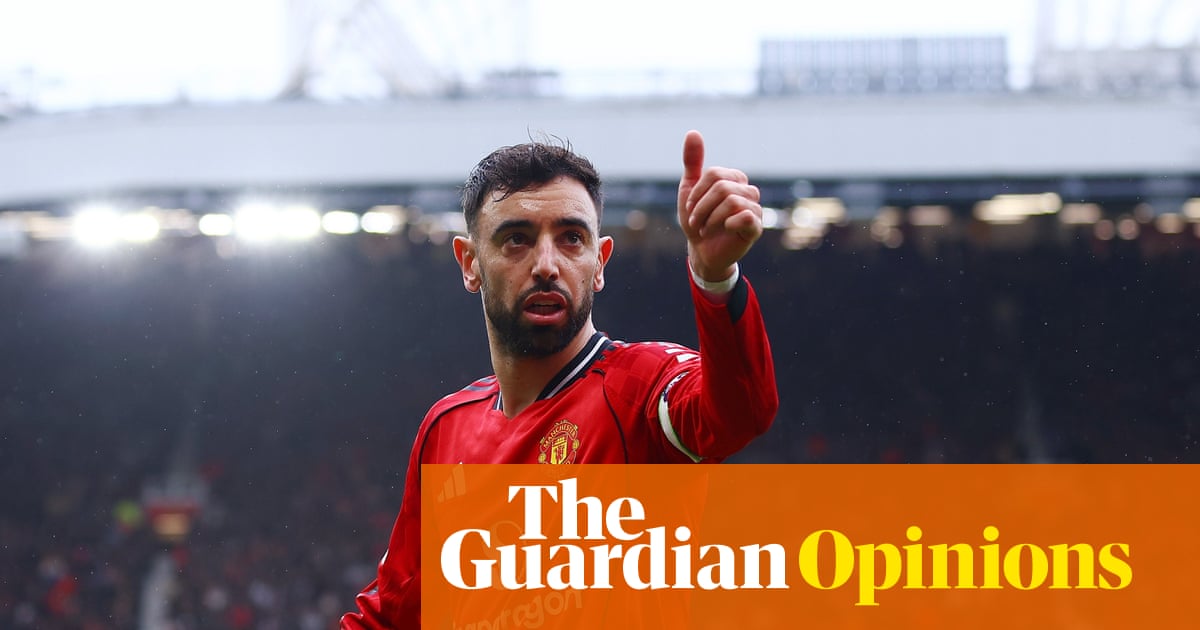
The captain remains the single most indispensable asset at Old Trafford. As The Mirror reported, club leaders have initiated an aggressive charm offensive to secure his long-term future, which represents a massive turnaround from twelve months ago when the board was open to selling him. Back then, United rejected an astronomical £80 million bid from Al-Nassr, a move that former manager Ruben Amorim blocked to protect the team's spine. Since then, Fernandes has responded with a spectacular season, racking up eight goals and 20 assists to win the FWA Player of the Season and Premier League Player of the Season awards. He is the undisputed focal point of everything United does well, and securing his signature on a new contract is the ultimate priority because losing him would leave an irreplaceable creative void in the squad.
Honorable Mentions
Several other factors narrowly missed the top ten but remain highly relevant to the club's trajectory.
- Diogo Dalot's versatility: The full-back has been a consistent performer on both flanks but lacks the final product to break into the elite bracket.
- Amad Diallo's tactical growth: The young winger has shown flashes of brilliance under Carrick, but he must prove he can maintain consistency over a full season.
- The Academy Pipeline: Emerging talents continue to train with the first team, though they are not yet ready to take on primary responsibilities.