
Thomas Tuchel is already stripping England down to the studs

The architect arrives at St. George’s Park
The appointment of Thomas Tuchel as the head coach of the England national team was never going to be a simple case of hiring the best available manager. It was a statement of intent, a cold-blooded pivot toward tactical rigidity in a nation that often prides itself on the romanticism of the 'best eleven' theory. As the dust settles on his first few weeks, it is becoming increasingly clear that the German is not interested in popularity contests; he is interested in engineering.
For years, England managers have been plagued by the dilemma of the riches—the constant, nagging pressure to shoehorn every creative spark into a starting lineup. Tuchel, however, possesses a distinct lack of sentimentality. He views the squad not as a collection of superstars, but as a series of interlocking cogs. If a cog doesn't fit the specific mechanical requirement of his system, it is discarded, regardless of how brightly it shines in the Premier League.
The end of the 'best player' era
In the past, the England setup was often defined by the desperate need to include the most talented individuals at all costs. We saw the Steven Gerrard and Frank Lampard conundrum, a decade-long struggle to make two titans coexist. Under Tuchel, that era is effectively dead. His philosophy is rooted in the idea that the system is the star, and the player is merely the interpreter of that system.
This creates a fascinating, if somewhat ruthless, selection process. Form, in the traditional sense, is secondary to function. A player who is lighting up the scoreboard for a mid-table club but lacks the tactical discipline to track back or maintain a specific defensive line will find themselves on the outside looking in. Tuchel demands a level of positional awareness that borders on the obsessive, and he is willing to sacrifice flair for that exactitude.
The international game is a game of margins. If you aren't willing to sacrifice your individual ego for the structural integrity of the unit, you aren't just hurting your teammates; you are hurting the nation's chances of silverware.
This approach is inherently risky. By prioritizing function over form, the manager risks alienating the fanbase when a high-profile name is left on the bench. Yet, the history of international football is littered with teams that were 'too good' to win, failing because they lacked the tactical cohesion that only a singular, focused vision can provide.
The tactical blueprint
So, what does this new England actually look like? It is a side built on controlled aggression. Unlike the expansive, often loose structures of previous regimes, this iteration of the Three Lions is designed to suffocate the opposition. The high press is no longer a suggestion; it is a mandate. The transition phases are mapped out with military precision.
- Defensive Solidity: A backline that prioritizes structural integrity over individual recovery pace.
- Midfield Balance: The abandonment of the 'box-to-box' chaos in favor of a pivot that dictates tempo.
- Positional Discipline: Wingers who are expected to act as auxiliary fullbacks when the team loses possession.
It is a system that demands a high footballing IQ. Players like Declan Rice and Bukayo Saka are likely to thrive in this environment, as their natural discipline aligns perfectly with the manager’s tactical expectations. Conversely, those who rely on improvisation or a 'free role' may find the new regime stifling.
The road to the World Cup
With only four warm-up games remaining before the tournament, the clock is ticking. Tuchel doesn't have the luxury of time to experiment with different philosophies. He is essentially performing open-heart surgery on the team's tactical identity while the patient is running a marathon. It is a high-wire act that will either cement his legacy as a genius or see him become the latest manager to fall victim to the crushing weight of expectation.
The upcoming friendlies will be less about the scoreline and more about the mechanics. Watch the movement of the midfielders when England are out of possession. Observe the way the fullbacks tuck in to form a back three during the build-up. These are the telltale signs of a team being rebuilt from the ground up, not just tweaked for the sake of variety.
The pressure of expectation
The British media is already circling, waiting for the first sign of friction. When the first marquee name is dropped for a 'tactical reason,' the headlines will be predictable. However, the true test will not be the individual stories, but the collective performance. If England can dominate the ball and, more importantly, dominate the space, the public will eventually forgive the lack of individual flair.
We are witnessing the professionalization of the England national team in a way we haven't seen since the turn of the century. It is clinical, it is detached, and it is entirely focused on the objective. Whether it produces the trophy that has eluded the nation for decades remains to be seen, but one thing is certain: Thomas Tuchel is not here to make friends. He is here to win, and he is willing to burn down the old house to build the new one.
Final thoughts
Ultimately, the success of this project will rest on whether the players buy into the austerity of the system. International football is famously difficult to coach because of the limited time spent on the training pitch. Tuchel is trying to cram a season's worth of tactical drilling into a few international breaks. It is an audacious gamble, perhaps the biggest in the history of the FA, but it is one that feels necessary.
The era of the 'golden generation' hang-ups is over. We have entered the era of the tactical machine. It might not be the prettiest football we have ever seen, and it might not feature all the names the pundits are clamoring for, but it is a coherent, professional attempt to solve the riddle of international tournament success. For the first time in a long time, England feels like a team with a clear, uncompromising identity.
Icon Sports Manchester City FC Official Reversible Scarf
Show your colors on match day with this premium knit scarf.
Frequently Asked Questions
What is Thomas Tuchel's primary philosophy for the England team?
How does Tuchel approach player selection for the national squad?
Why is Tuchel moving away from the 'best eleven' theory?
What tactical changes is Tuchel implementing for England?
What are the potential risks of Tuchel's management style?
More Coverage

Why England must fear Panama's disciplined low block
2 hours ago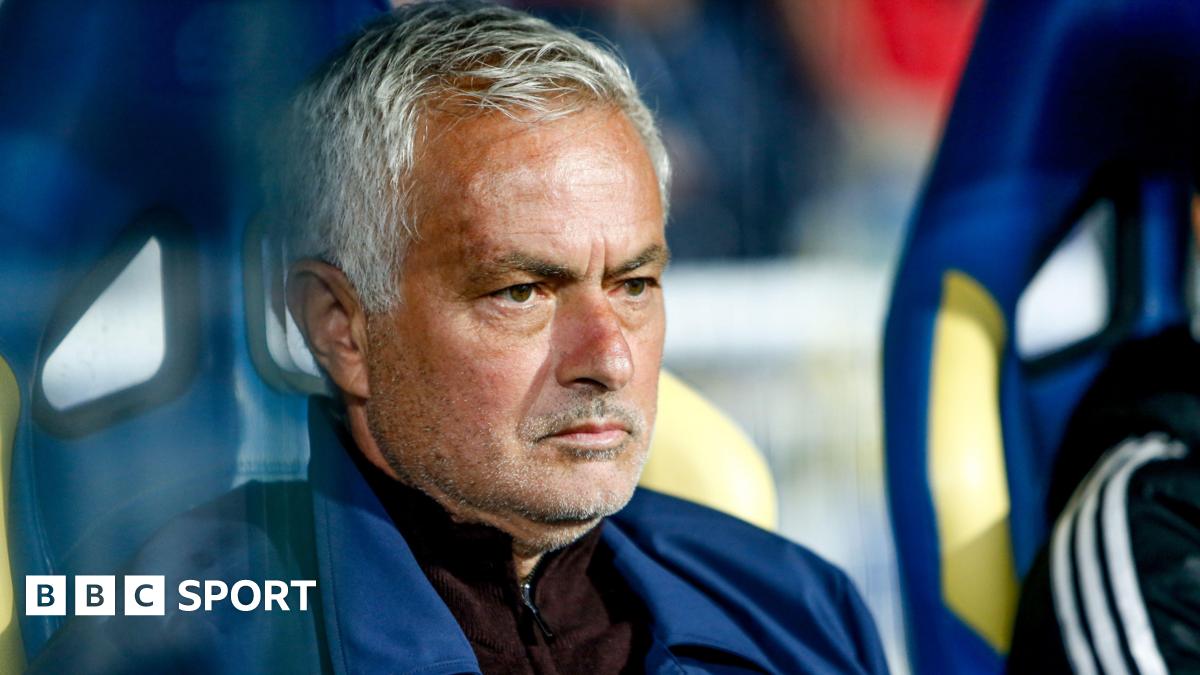
Mourinho at Real Madrid is nostalgia devoid of a strategy
7 hours ago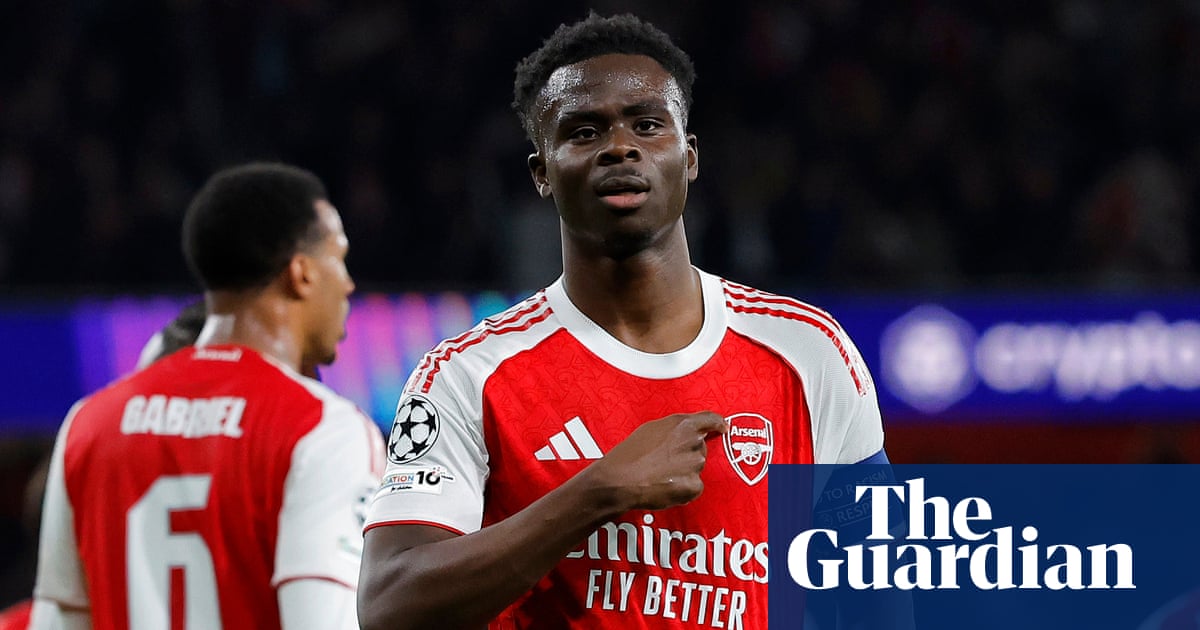
Arsenal and England breathe sigh of relief as Bukayo Saka manages training load
11 hours ago
Northern Ireland's youth pivot: Examining the Graham and O'Neill call-ups
15 hours ago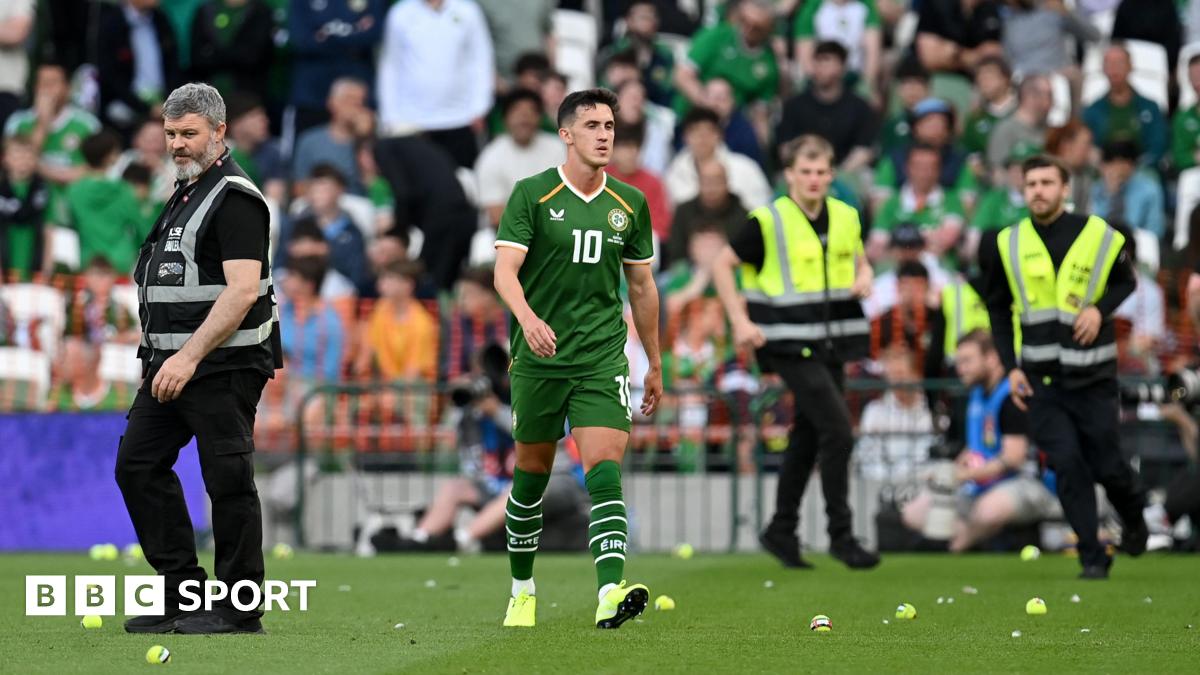
Ireland's Qatar victory overshadowed by looming Israel fixtures
19 hours ago
Ireland versus Qatar is the most meaningless game of the summer
1 day, 6 hours agoMore Match Reports

Thomas Tuchel's ruthless England squad cuts are exactly what we needed
6 days, 19 hours ago
Thomas Tuchel's first England squad is a brutal mathematical cull
6 days, 19 hours ago
Thomas Tuchel is already making enemies with England squad selections
2 months, 1 week ago
Thomas Tuchel is already making enemies before his first England game
2 months, 1 week ago
Why Tuchel's tactical rigidity will doom England at the World Cup
1 week, 2 days ago