The Big Picture
The 26-man list is out, and the shockwaves are still reverberating from Wembley. Thomas Tuchel finalized his England World Cup squad on May 22, 2026, leaving behind some of the country's most gilded talents in favor of a functional, team-first collective. As Mirror Football reported, this is a brutal tactical reset that mirrors the cold-blooded pragmatism of Sir Alf Ramsey sixty years ago.
The Rankings
10. The Group Stage Traps
Tuchel's functional unit faces its first real tests on American soil starting on June 17 in Arlington against Croatia. But the real danger lies in the quick turnarounds against Ghana in Boston on June 23 and Panama in New Jersey on June 27. It ranks tenth because while these matches represent future obstacles, they are the immediate crucible where this unselfish squad must prove its worth. Critics argue that dropping world-class creators like Foden will leave England toothless against low-block defenses in Massachusetts and New Jersey. Tuchel is betting that his structured, high-intensity press will break these opponents down far more efficiently than individual brilliance.
9. Probing Geoff Hurst’s Character
Historian Grant Bage highlighted a vital lesson from 1966: when recruiting Geoff Hurst, Ramsey probed his character and personality rather than just his raw skills. This is the exact blueprint Tuchel is reviving by prioritizing psychological fit over sheer name recognition. It deserves the ninth spot because it highlights the often-ignored mental side of tournament selection that underpins Tuchel's entire strategy. While modern fans obsess over FIFA ratings and club goals, Tuchel is looking for players who will not let him down on the day. Critics will call this approach overly conservative, but tournament history proves that dressing room harmony outweighs individual ego.
8. The Regional Chemical Bonds
The regional breakdown of Tuchel's squad is a fascinating throwback to a bygone era of English football. With ten Londoners, three Mancunians, two Cumbrians, and two Geordies forming the core, this is a group built on localized chemistry rather than scattered superstars. It ranks eighth because it represents a deliberate rejection of the glamorous, globetrotting elite in favor of domestic familiarity. By grouping players who grew up in the same academies and regional systems, Tuchel is trying to manufacture instant familiarity. This geographical concentration is a direct gamble that localized bonds will translate into superior on-field synchronization.
7. The 55-Man Longlist Massacre
Whittling down the initial 55-man squad was a brutal process that required Tuchel to slice away massive personalities. The manager admitted he had to have painful conversations and make incredibly difficult decisions to finalize his squad. It ranks seventh because the sheer volume of high-profile casualties shows that Tuchel is completely unfazed by reputation or public backlash. Leaving established internationals at home is a massive political risk that could alienate portions of the media before a ball is even kicked. Yet, this mass cull was necessary to establish a clear hierarchy and prevent bench-warmer mutinies in the United States.
6. Ramsey’s Jack Charlton Ultimatum
When Jack Charlton famously asked Sir Alf Ramsey why he picked him, the manager's reply was simple: "I don't pick the best players, Jack. I pick the best team for my plan to win the World Cup." This single quote serves as the philosophical foundation for everything Tuchel is attempting in 2026. It ranks sixth because it bridges sixty years of English football history, proving that Tuchel's logic is not a modern eccentricity but a proven championship formula. It ranks ahead of the longlist cuts because it provides the historical justification that shields Tuchel from immediate media execution. If Ramsey could win a World Cup by ignoring individual talent, then Tuchel's cold calculus has a legitimate pedigree.
5. Dan Burn’s Shock Inclusion
The inclusion of Newcastle United's veteran defender Dan Burn is the most vivid proof of Tuchel's commitment to tactical specialization. As Mirror Football detailed, Burn admitted he was "buzzing" after keeping the secret for days. It deserves its spot at number five because it represents the ultimate victory of defensive utility over modern glamorous full-back play. While fans expected a sleek, overlapping defender, Tuchel opted for a giant, physical workhorse who can lock down the left flank. It is a highly controversial call that leaves England short on attacking output from the back, but it shows Tuchel is building a shield, not a showcase.
4. The Maguire Family Backlash
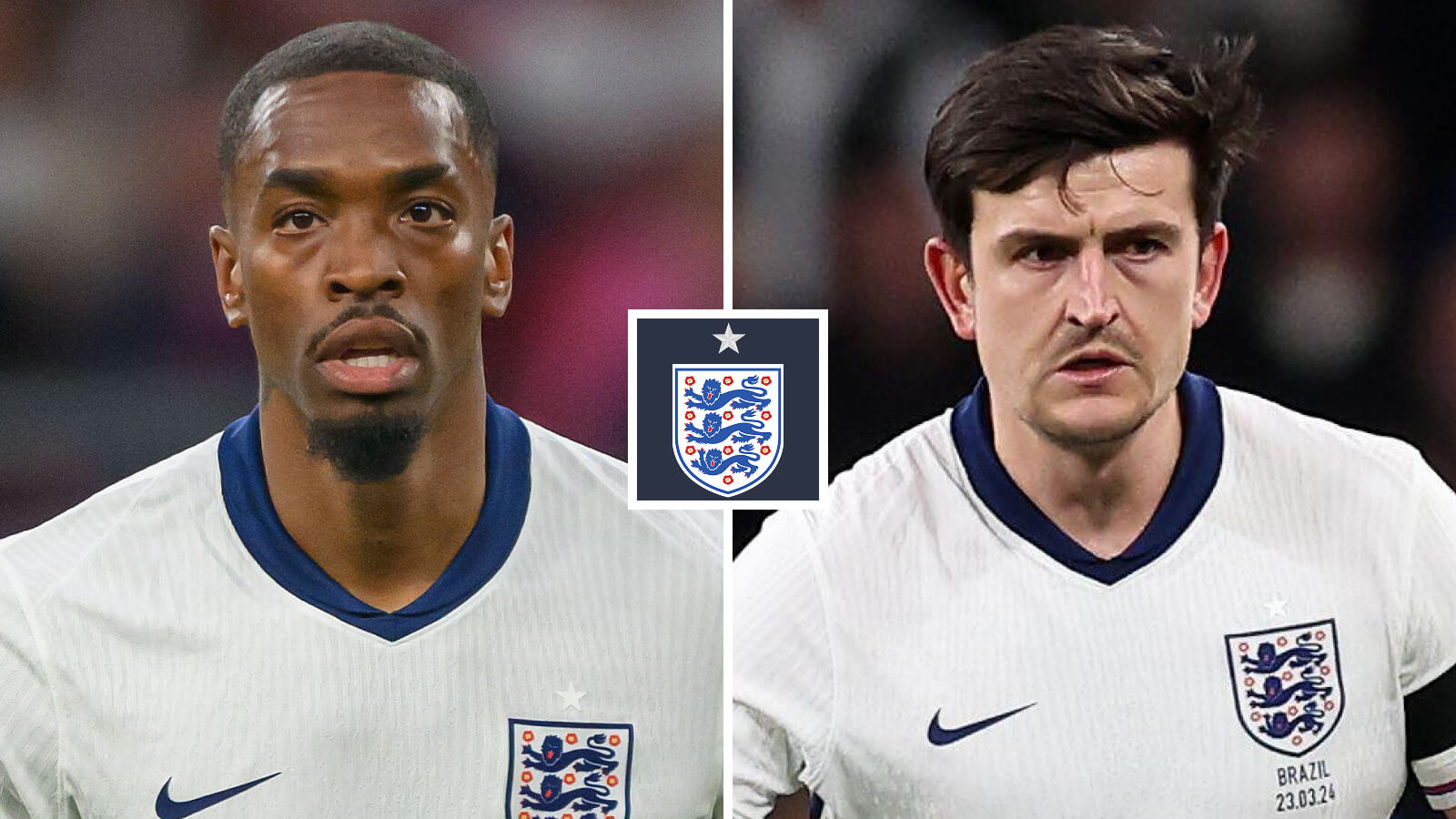
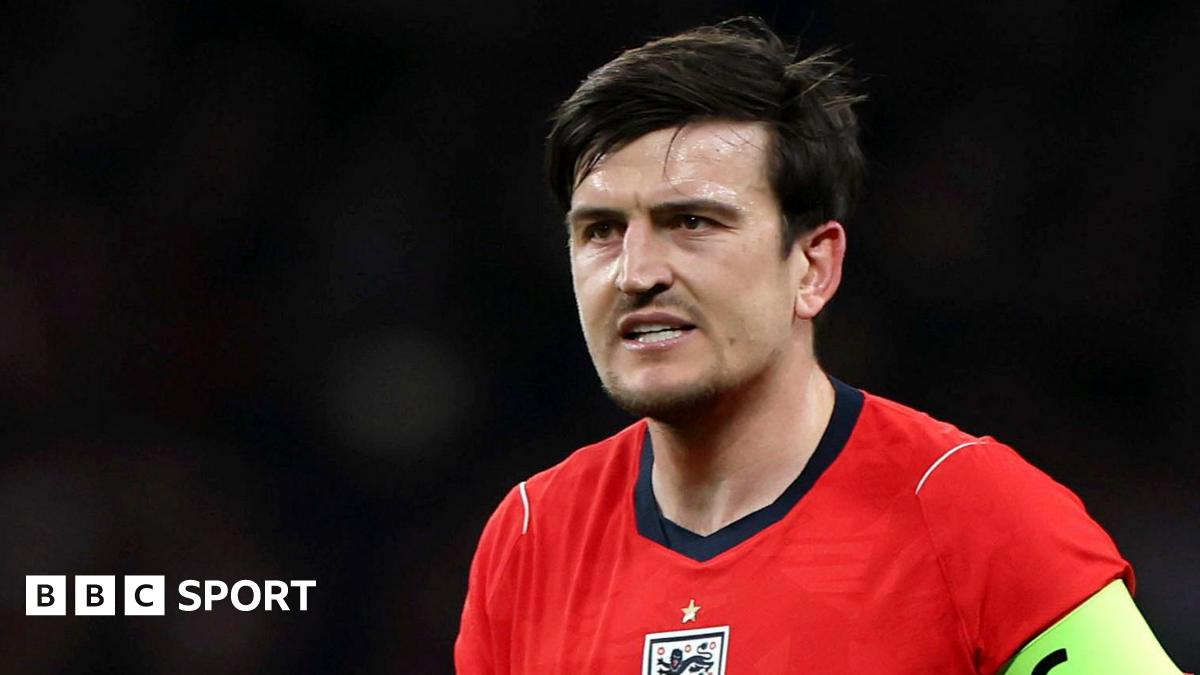
Harry Maguire’s omission from the World Cup squad marks the end of an era for England's defensive core. The decision was met with immediate, public anger, with Maguire's mum calling the decision to leave out the defender "disgusting" on social media. It ranks fourth because of the sheer soap-opera drama it injected into the national team setup just weeks before kickoff. While Maguire has been a reliable tournament performer, Tuchel decided his lack of recovery speed was too high a risk for a high-pressing defensive line. This choice shows that Tuchel is willing to endure personal drama and public feuds to protect his tactical system.
3. Dropping Jimmy Greaves for Geoff Hurst
The historical gold standard for brutal squad decisions occurred in 1966 when Sir Alf Ramsey chose to stick with Geoff Hurst over a fit-again Jimmy Greaves for the World Cup Final. Greaves was England's greatest goalscorer, but Ramsey favored Hurst's work rate and team-first attitude. It ranks third because it remains the ultimate validation of the "team over individuals" philosophy, resulting in Hurst scoring a historic hat-trick to win the trophy. This historical moment ranks above the modern omissions because it is the proven baseline of success that Tuchel is attempting to replicate. It shows that winning does not require the most glamorous names, only the most disciplined soldiers.
2. The Phil Foden Expatriation
Leaving Phil Foden, arguably England's most naturally gifted playmaker, out of the squad is a staggering tactical statement. Tuchel decided that Foden's tendency to drift inside and demand the ball did not fit his rigid, high-pressing system. It sits at number two because Foden is a double Player of the Year, making his exclusion a massive shock to the entire football world. Critics are already sharpening their knives, claiming that dropping such a genius is a self-inflicted wound that will cost England in tight knockout games. Yet, Tuchel's decision is final: Foden's individualism was deemed a threat to the collective balance of the team.
1. The Cole Palmer Cull
The single most shocking moment of Tuchel’s England tenure is the complete omission of Cole Palmer from the World Cup squad before the tournament kick-off on June 11, 2026. Palmer has been Chelsea's talisman, registering astonishing goal and assist numbers over the past two seasons. It rightfully claims the top spot because Palmer was widely viewed as the future of the national team, making his exclusion a genuine national scandal. Leaving him home is an immense gamble that will either make Tuchel a tactical visionary or lead to his swift dismissal if England falters in North America. By leaving Palmer out, Tuchel has drawn a line in the sand: absolute tactical obedience is the only currency that matters in his England squad.
Honorable Mentions
Marcus Rashford's marginalization almost made the cut but was overshadowed by the Foden and Palmer shocks. Gareth Southgate's legacy of tactical safety was also a major talking point during the squad deliberations. Finally, the inclusion of Jordan Pickford as the undisputed number one remains a steadying force amidst the defensive chaos.
Read Next
- Tuchel just dropped a nuke on England's World Cup hopes
- Thomas Tuchel's England squad selection is a massive medical gamble
- Thomas Tuchel's ruthless England squad cuts are exactly what we needed
- Tuchel's England overhaul: Why the biggest names are watching from home
- 🏆 World Cup 2026 — Full Coverage Hub
- 🏴 England World Cup 2026 — Three Lions Hub