The Big Picture
The 2026 World Cup is no longer a distant concept; it is a looming reality that is reshaping the global football calendar. We are about to witness the largest, most expensive, and most complicated sporting event ever staged. This isn't just about the football on the pitch; it's about the intersection of commerce, travel, and fan culture across an entire continent.
Rank 10: The Boston Transit Crisis
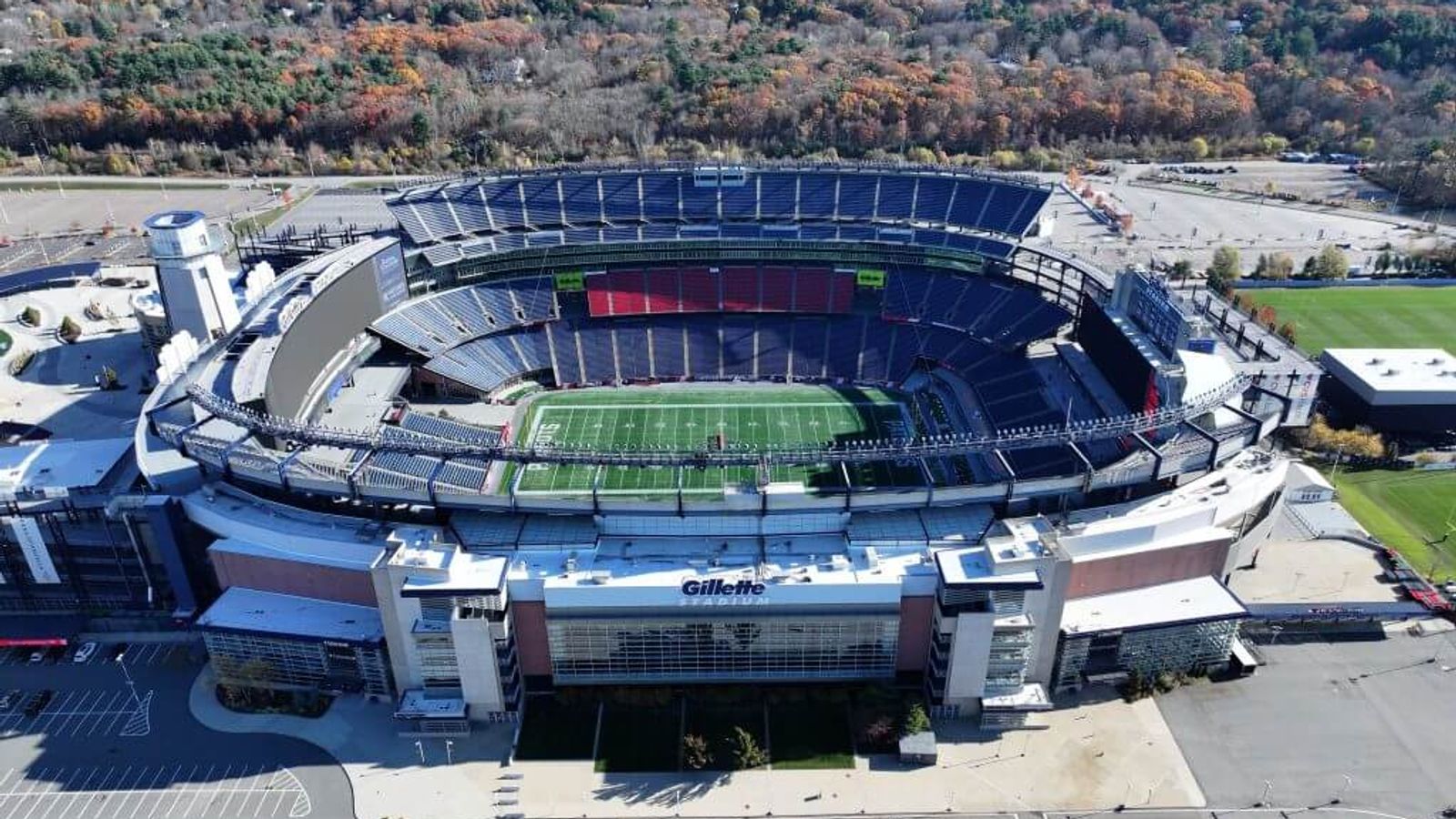
The logistics of World Cup 2026 are already starting to bite the wallets of regular supporters. According to a Sky Sports report, train tickets from Boston to Gillette Stadium are set to quadruple in price for tournament match days. Fans traveling to see England and Scotland are essentially being handed a transit tax just to reach the stadium gates.
Foxborough is notoriously isolated from Boston's urban core, making the rail link the only viable option for thousands of traveling supporters. This isn't just a simple price hike; it is a calculated squeeze on the very people who make the tournament vibrant. If this becomes the blueprint for transportation across the other 15 host cities, the 2026 World Cup will be the most expensive fan experience in history.
Rank 9: The 48-Team Format Reality
The sheer scale of the 48-team expansion is finally setting in for fans and pundits alike. Moving from 32 to 48 teams means 104 matches played over a grueling summer schedule. It is a massive operation that threatens to dilute the group stage drama we saw in Qatar. FIFA’s decision to stick with groups of four instead of three saved the competitive integrity, but it came at a high cost.
We are looking at a tournament where squad depth will matter far more than individual brilliance in a starting eleven. The "bigger is better" mantra will be tested the moment a 0-0 stalemate occurs between two lower-ranked nations in the first week. It is a bold gamble on quantity that many fear will impact the quality of the knockout rounds.
Rank 8: The Azteca's Historic Third Opening
Mexico City’s Estadio Azteca is preparing to make history as the first venue to host three World Cup opening matches. Following in the footsteps of 1970 and 1986, the temple of Pelé and Maradona will once again be the epicenter of global football. The renovation work has been extensive, aiming to modernize a stadium that is as much a museum as it is a sports arena.
There is a weight of history here that no shiny new NFL stadium in the United States can replicate. On June 11, the world will watch as Mexico kicks off the festivities in front of 87,000 screaming fans. It is the perfect bridge between the sport's legendary past and its expansive future.
Rank 7: The Cross-Continental Travel Grid
The travel itinerary for the 2026 tournament is nothing short of a nightmare for coaching staffs and high-performance directors. Unlike the compact footprint of Qatar, teams could find themselves crossing three time zones in a single week. FIFA has promised regional clusters to minimize travel, but the knockout brackets could still send a tired team from Vancouver to Monterrey.
Recovering from a five-hour flight is not the same as taking a 20-minute bus ride in Doha. This tournament will be won by the team with the best sleep scientists and most efficient recovery protocols. It is a grueling test of endurance that favors nations with the deepest rosters and the most organized logistics teams.
Rank 6: The MetLife Stadium Grass Conversion
The decision to award the final to MetLife Stadium in East Rutherford sparked immediate debate about the playing surface. FIFA mandates natural grass, which means a massive operation to rip out the artificial turf and install a temporary pitch. This isn't just about laying sod; it's about maintaining a world-class surface in a stadium that wasn't built for it.
The technical challenge is immense, with engineers monitoring everything from drainage to root depth for the July 19 final. If the pitch cuts up during the championship match, it will be a massive embarrassment on the world's biggest stage. The final is already the most anticipated game in years, but the grass might be the biggest variable in play.
Rank 5: The Designated Host Advantage
The host nations are getting a significant boost with their designated group stage locations and travel paths. The USMNT will play all their initial games on the West Coast, likely splitting time between Seattle and Los Angeles. Canada gets the cool summer air of Toronto and Vancouver, while Mexico stays in their high-altitude strongholds.
This isn't just about convenience; it's about the psychological edge of playing in front of hyper-partisan home crowds. FIFA has essentially guaranteed that the hosts will have every possible advantage to reach the knockout stages. Whether they have the tactical discipline to capitalize on that support is another question entirely.
Rank 4: The England-Scotland Boston Enclave
The draw that placed England and Scotland in the same group has turned Boston into a massive UK enclave. The historic city is the perfect backdrop for one of football's oldest rivalries to take place on American soil. With the sky-high transit costs mentioned earlier, the atmosphere in Foxborough will be tense before the whistle even blows.
Fans from Glasgow and London are already booking out every hotel room from the North End to the suburbs. This is the kind of marquee matchup that justifies the tournament's massive footprint. It’s a clash of cultures and shared history that will define the early stages of the summer.
Rank 3: The 39-Day Marathon
We are looking at a 39-day tournament, the longest in FIFA history. This extended window is a direct result of the 104-game schedule and the need for adequate rest between rounds. For fans, it’s a feast; for players, it is a marathon that could end careers if not managed correctly.
The mental fatigue of being in a tournament bubble for over five weeks cannot be overstated. By the time we reach the semi-finals in late July, we might see teams playing at reduced intensity. It is a bold experiment in commercial maximization that risks the quality of the product on the pitch.
Rank 2: The Lionel Messi Question
Lionel Messi’s potential involvement remains the single biggest storyline heading into the opening match. At 38 years old, the Argentine legend has been coy about whether he will defend his title on North American soil. Every Inter Miami match is treated as a scouting mission for his fitness and desire.
If he suits up, the 2026 World Cup becomes a global celebration of the greatest to ever play the game. Without him, the tournament loses its primary marketing anchor and its most compelling individual narrative. The wait for his final decision is the cliffhanger that keeps the entire footballing world on edge.
Rank 1: The Unified Hosting Vision
The most iconic moment so far has been the unveiling of the unified "United 2026" branding across three nations. Seeing the flags of the USA, Canada, and Mexico flying together represents a shift in how these mega-events are hosted. It is a logistical nightmare, but it’s also a statement of continental cooperation.
The scale is unprecedented, covering 16 cities and thousands of miles of travel. This tournament is the final evolution of the World Cup into a true global festival that transcends single-country boundaries. When the first whistle blows, the complexity will fade and the spectacle will finally take over.
Honorable Mentions
Vancouver's last-minute inclusion to replace original host cities, the debut of the Round of 32 knockout stage, and the new Golden Boot race in a 48-team field all deserve a mention for shaping the pre-tournament buzz.
Read Next
- Top 10: Defining Moments of the 2026 World Cup Cycle
- Scotland's grim reality check against a swaggering Japan
- Thomas Tuchel is turning England training into a 35-man Battle Royale
- Everyone is stressed and Sweden has a goal machine: The 2026 World Cup is almost here
- 🏆 World Cup 2026 — Full Coverage Hub
- 🇦🇷 Argentina World Cup 2026 — Defending Champions Hub
- 🏴 Scotland World Cup 2026 — Tartan Army Hub
- 🇧🇷 WC 2026 Group C — Brazil, Morocco, Scotland, Haiti