The Big Picture
The road to North America is littered with casualties. We are less than 80 days away from the biggest, most bloated World Cup in history. The 48-team format was supposed to make qualification a procession for established nations.
Instead, it has created a pressure cooker where failure is punished with unprecedented scrutiny. We are seeing the final remnants of the old guard clash with a data-driven generation that cares more about output than tradition.
10. The 48-Team Expansion Logic
FIFA finally signed off on the 104-game marathon that will define the next three months. This wasn't a sporting decision; it was a commercial heist. By adding 16 more teams, the governing body ensured that the group stages would become a test of endurance rather than a display of elite skill.
The travel schedules alone are a disaster. Teams are expected to hop between time zones and climates with minimal recovery. It is the first time a World Cup feels more like a product to be managed than a trophy to be won. The dilution of the product is the negative baseline for this entire cycle.
9. Lamine Yamal’s 2024 Euro Coronation
Spain’s victory in the 2024 European Championship was the moment the youth movement became the standard. Yamal didn't just participate; he dictated terms to experienced defenders before he was old enough to drive. His assist in the final was a cold-blooded execution of tactical instruction.
That tournament changed how national teams scout talent. Every major federation stopped looking for finished products and started hunting for the next 16-year-old anomaly. Spain proved that technical superiority beats physical maturity every single time. It set the tactical blueprint for the 2026 cycle.
8. The Saudi Exodus National Team Crisis
The massive migration of talent to the Saudi Pro League in 2023 and 2024 finally hit the national team level. We saw established stars from France, Portugal, and Brazil lose their sharpness in a lower-intensity environment. Managers were forced to make impossible choices between big names and fit players.
It created a rift in dressing rooms across Europe. Players remaining in the Champions League complained about the lack of intensity from teammates coming in from the Gulf. This moment proved that money can buy talent, but it cannot buy the competitive edge required for international knockout football. Brazil, in particular, suffered a identity crisis that nearly derailed their qualification.
7. Messi’s "One More Year" Declaration
Lionel Messi’s decision to stay with the Argentina squad through 2026 was the ultimate plot twist. Most expected a graceful exit after the 2024 Copa America in Miami. Instead, he chose to lead the Albiceleste into the expanded format, anchored by a 38-year-old frame that still sees passes others miss.
His presence alone has kept Argentina at the top of the FIFA rankings. It forced Scaloni to rebuild the midfield to act as a defensive shield for his captain. This isn't about nostalgia; it’s a tactical gamble that has defined the South American qualifying sector for three years. Whether his legs hold up in the North American heat is the biggest question mark of the summer.
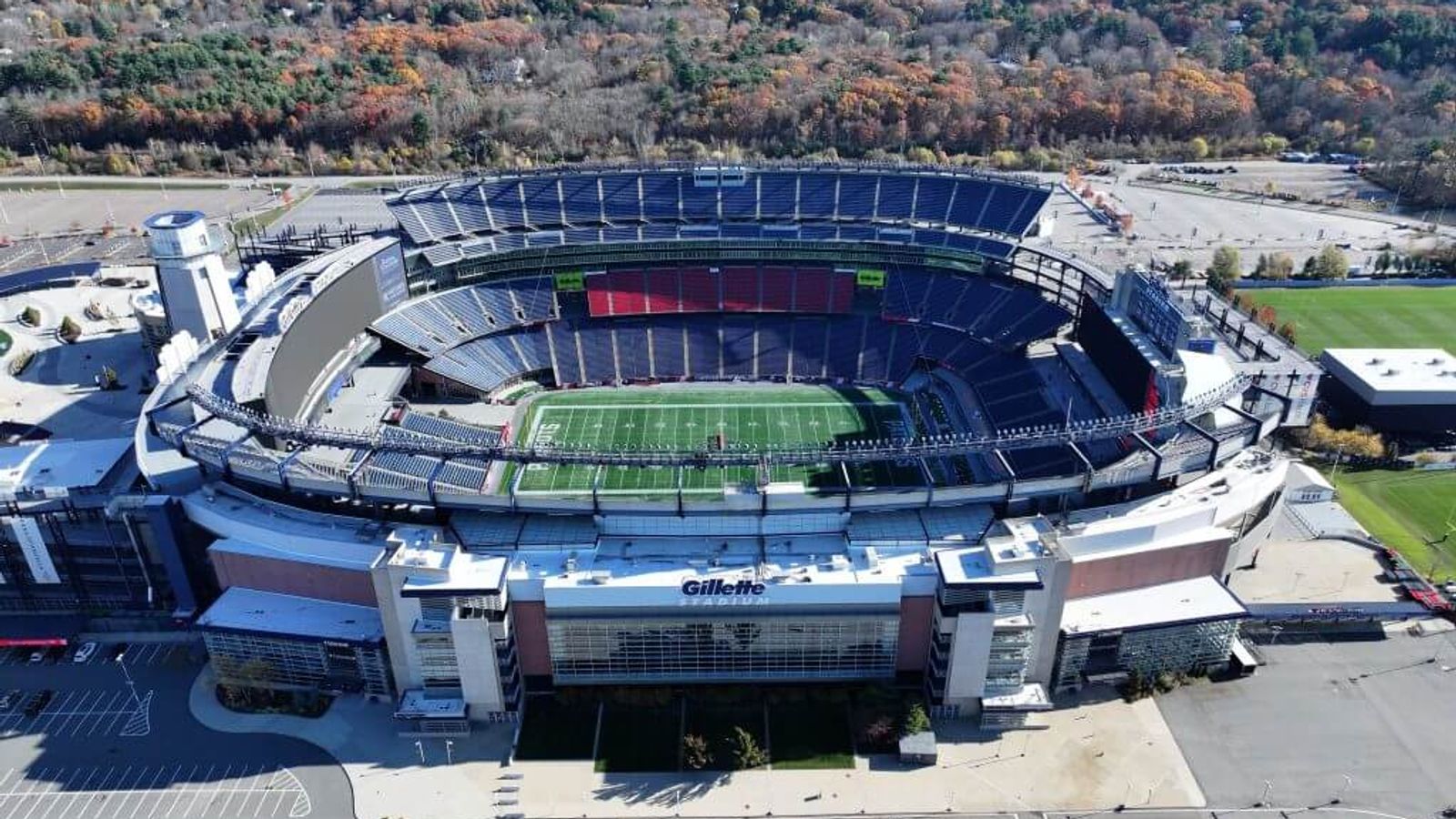
6. The MetLife Stadium Final Reveal
When FIFA snubbed Dallas and Los Angeles to give the 2026 Final to New Jersey, the politics of the tournament became clear. The logistical weight of New York City won out over the glitz of the West Coast. This moment solidified the 2026 World Cup as an East Coast-centric event in its final stages.
The decision sparked immediate controversy regarding turf quality and transport links. Critics pointed out that MetLife is a concrete bowl that lacks the atmosphere of traditional football cathedrals. It highlighted the tension between American stadium scale and the needs of the global game. Every fan now knows exactly where the July 19 climax will take place.
5. Jude Bellingham’s 2025 Ballon d’Or
Bellingham winning the world’s top individual prize in 2025 was the official end of the Messi-Ronaldo duopoly. He did it by being a complete footballer who occupies three positions at once. His impact at Real Madrid and for England turned him into the face of the sport’s commercial future.
He isn't just a midfielder; he is a psychological weapon. His habit of scoring 90th-minute winners has become a statistical certainty. England’s entire tactical structure for the 2026 World Cup is built around his ability to crash the box. He has surpassed every other English talent of his generation by a wide margin.
4. Brazil’s Historic Loss to Uruguay
Uruguay’s dominance over Brazil during the CONMEBOL qualifiers was a tectonic shift. For decades, Brazil viewed qualification as a formality. Marcelo Bielsa’s Uruguay didn't just beat them; they dismantled them with a high-press system that exposed Brazil’s lack of tactical discipline.
This result forced the CBF into a series of panicked managerial changes. It was the moment the world realized that the yellow shirt no longer provided an automatic advantage. Uruguay’s rise under Bielsa has made them a dark horse for the trophy in July. As The Guardian reported, the countdown to the England v Uruguay friendly today shows just how much respect the South Americans have regained.
3. The 2025 Champions League Format Chaos
The first year of the "Swiss Model" in the Champions League changed the rhythm of the European season. By removing the traditional group stages, UEFA increased the workload on international players. This directly led to a spike in ACL injuries across the top five leagues.
We saw major stars like Gavi and Rodri struggle with the increased volume of games. This moment is critical because it fundamentally altered the squads available for the 2026 World Cup. Several nations are heading to the tournament without their best defensive pivots. It is a cynical byproduct of the drive for more broadcast minutes.
2. Today’s Playoff Heartbreak
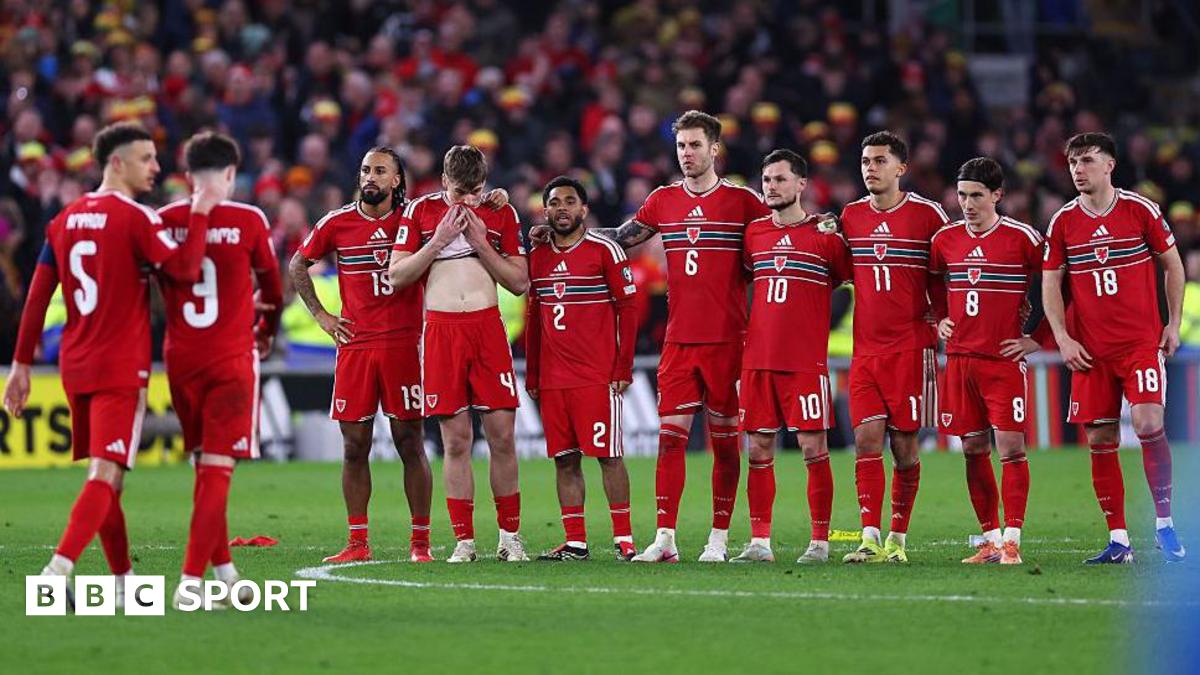
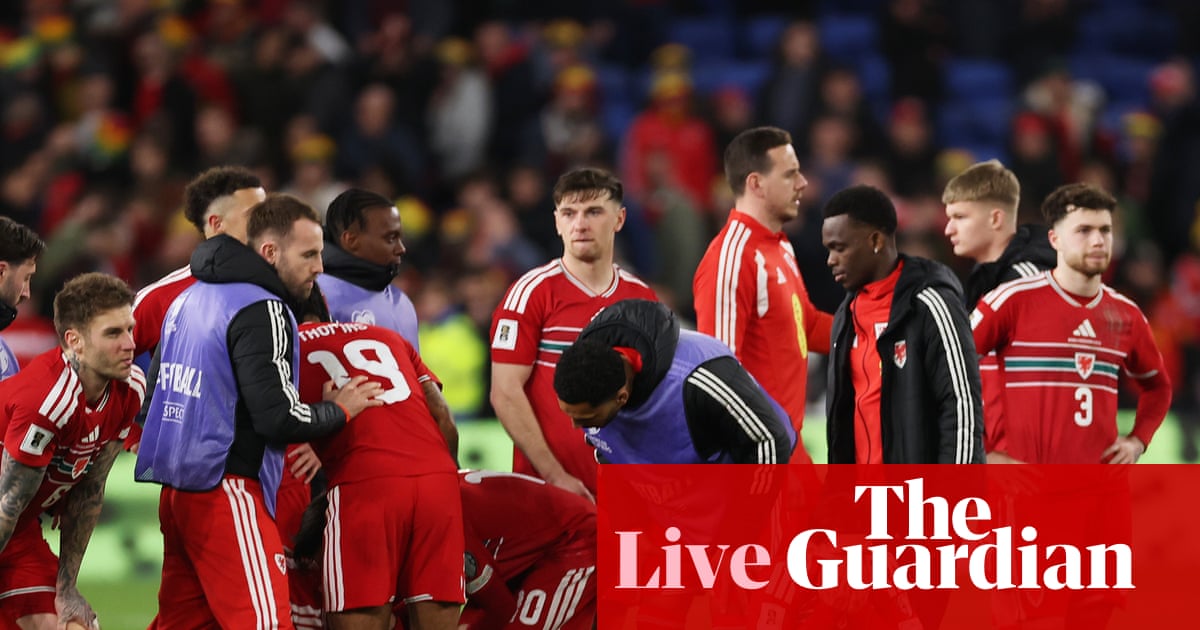
The European playoffs concluded today, March 27, 2026, with a level of brutality that the new format was supposed to prevent. Two years to the day since Poland broke Welsh hearts on penalties, we saw another heavyweight fall. The tension in the final 120 minutes was a reminder that international football is still the only thing that creates this specific pressure.
Watching a nation like Norway or Italy potentially miss out again—despite the 48-team expansion—is a massive failure for their respective federations. The playoffs are where the spreadsheets die and raw nerves take over. It’s the high-stakes drama that FIFA’s expansion threatened to dilute, yet it survived through sheer desperation.
1. The 2026 World Cup Draw in Las Vegas
The draw at the end of 2025 was the moment the scale of this tournament finally sank in. Seeing the groups spread across three nations and four time zones was a wake-up call. It was the moment the "Group of Death" became a statistical inevitability because of the sheer number of teams involved.
The draw dictated that some teams will travel over 3,000 miles between their second and third group games. This is the defining moment because it shifted the conversation from footballing tactics to logistics and recovery. The team that wins the 2026 World Cup won't just be the most talented; they will be the most resilient to the travel-induced fatigue. It’s a new era of tournament football where the map is as important as the ball.
Honorable Mentions
Germany’s 2025 Nations League resurgence showed they are no longer a laughing stock. The retirement of several veteran referees led to a chaotic implementation of automated offside technology that still feels buggy. Finally, the rise of the MLS as a legitimate destination for mid-career European internationals has changed the depth of the USMNT pool heading into their home tournament.
Read Next
- Thomas Tuchel is turning England training into a 35-man Battle Royale
- Top 10: Most Defining Moments of the 2025/26 Season
- Everyone is stressed and Sweden has a goal machine: The 2026 World Cup is almost here
- England's left-back crisis is Thomas Tuchel's biggest World Cup headache
- 🏆 World Cup 2026 — Full Coverage Hub
- 🏴 England World Cup 2026 — Three Lions Hub