The Big Picture
The 2025-2026 domestic season is winding down, leaving behind a trail of sacked managers and broken billion-pound squads. We are weeks away from an expanded 48-team World Cup, but the domestic narratives are already firmly set. These are the ten moments that reshaped the sport this year, ranked by their sheer disruptive impact.
10. The Blue Card Proposal Gets Scrapped
IFAB tried to reinvent the wheel and immediately crashed the car. The proposed introduction of blue cards and sin bins faced immediate, unified backlash from players, managers, and match-going fans across the globe. Premier League managers threatened boycotts, and the rollout was quietly shelved before a single card was shown in top-flight competition.
The game already suffers from agonizingly slow VAR reviews and subjective officiating issues. Adding a ten-minute timeout mechanic would have derailed the product entirely, proving that bureaucratic tinkering has limits. Instead of addressing the root causes of referee abuse, the board tried a cheap gimmick and failed.
9. Manchester United Hits Rock Bottom
INEOS promised a revolution when they took operational control, but they delivered a relegation-form nightmare. Finishing completely outside the European qualification spots, United looked structurally disjointed from August to May. The sweeping front-office changes failed to translate onto the pitch.
High-priced signings spent more time on the treatment table than the grass, and Old Trafford is literally leaking. It marks the absolute lowest point of the post-Ferguson era, exposing a recruitment strategy built entirely on vibes. The club remains trapped under the weight of immovable contracts and declining commercial relevance.
8. Cole Palmer's Solo Carry Job
Chelsea spent another billion pounds to build a wildly unbalanced squad, but they only needed one player to save their season. Palmer dragged a mediocre team to relevance entirely on his own back, breaking the 25-goal barrier in the league. He operated less like a traditional winger and more like a usage-heavy NBA point guard.
Without his penalties, late winners, and relentless ball progression, Chelsea would have languished in the bottom half of the table. He is the single point of failure for an entire ownership group. Relying on a 23-year-old to mask systemic tactical flaws is not a sustainable long-term strategy.
7. Harry Kane Ends the Drought
The curse is officially dead in Munich. Bayern clawed the Bundesliga shield back from Bayer Leverkusen, and Kane finally lifted a piece of major team silverware. He didn't just win it by default; he battered the domestic scoring charts again, dropping deep to dictate play before finishing moves in the box.
However, Bayern's early European exit leaves a bitter taste, proving that even a striker of his absurd caliber cannot fix a leaky defensive line. Thomas Tuchel's departure left a structural mess that the current staff only barely managed to paper over domestically. Kane delivered, but the squad around him is aging rapidly.
6. Real Madrid's Galactico Collision
Putting Kylian Mbappe, Vinicius Junior, and Jude Bellingham in the same starting eleven looked like three people trying to steer the same vehicle simultaneously. Carlo Ancelotti spent the entire season trying to balance the left wing, resulting in a stagnant attack that dropped cheap points against lower-half La Liga opposition.
They sacrificed defensive midfield depth for overwhelming star power, and the gamble blew up spectacularly during the heavy winter fixture list. Madrid ultimately failed to maximize the most expensive front line in football history. Watching world-class forwards bump into each other in the half-spaces was maddening for the Bernabeu faithful.
5. Aston Villa Does It Again
Unai Emery definitively proved that last season was not a fluke. Aston Villa locked down back-to-back top-four finishes, cementing their status as a legitimate Champions League fixture and disrupting the traditional big six. They outplayed established heavyweights systematically, rather than relying on lucky bounces.
Their obscenely high defensive line remained terrifyingly risky, but it caught forwards offside week in and week out. However, their struggles with squad rotation during midweek European ties highlighted a glaring lack of depth. They need immediate investment to survive the expanded European formats.
4. Arsenal Stumbles at the Finish Line
For the third consecutive year, Mikel Arteta's side looked like invincible champions in March and nervous runners-up in May. A brutal run of fixtures finally caught up to them, and the lack of a ruthless, out-and-out striker was glaringly obvious in tight draws against defensive blocks.
You cannot win the Premier League by solely relying on set-piece goals and predictable wide overloads. Arteta's refusal to rotate his core eleven ultimately burned his best players out when the margins were tightest. The emotional toll of another close failure will test the absolute limits of this squad's mentality.
3. The Chaos of the UCL Semi-Finals
With the final rapidly approaching on May 28, the semi-final ties delivered absolute unadulterated pandemonium. Tactical discipline went entirely out the window in favor of end-to-end transitional warfare that resembled basketball more than football. The away goals rule being gone meant teams just threw bodies forward in extra time.
It was brilliant, breathless television, but an absolute nightmare for any coach trying to maintain a defensive block. The sheer unpredictability masked the fact that defensive standards across Europe's elite have plummeted this year. We are left with a final matchup that absolutely no one predicted.
2. Xabi Alonso Walks Away
After building the most exciting project in European football, Alonso decided he had hit the ceiling in Germany. His announcement sent immediate shockwaves through the managerial market, instantly putting pressure on half a dozen elite clubs scrambling for a savior. He refused to jump at the first massive contract offer.
Leverkusen now faces a massive and painful rebuild, as their title-winning squad will inevitably be stripped for parts by wealthier rivals. It marks the end of a brief, brilliant era that temporarily broke the Bayern monopoly. German football is noticeably poorer for his departure.
1. Pep Guardiola Calls Time
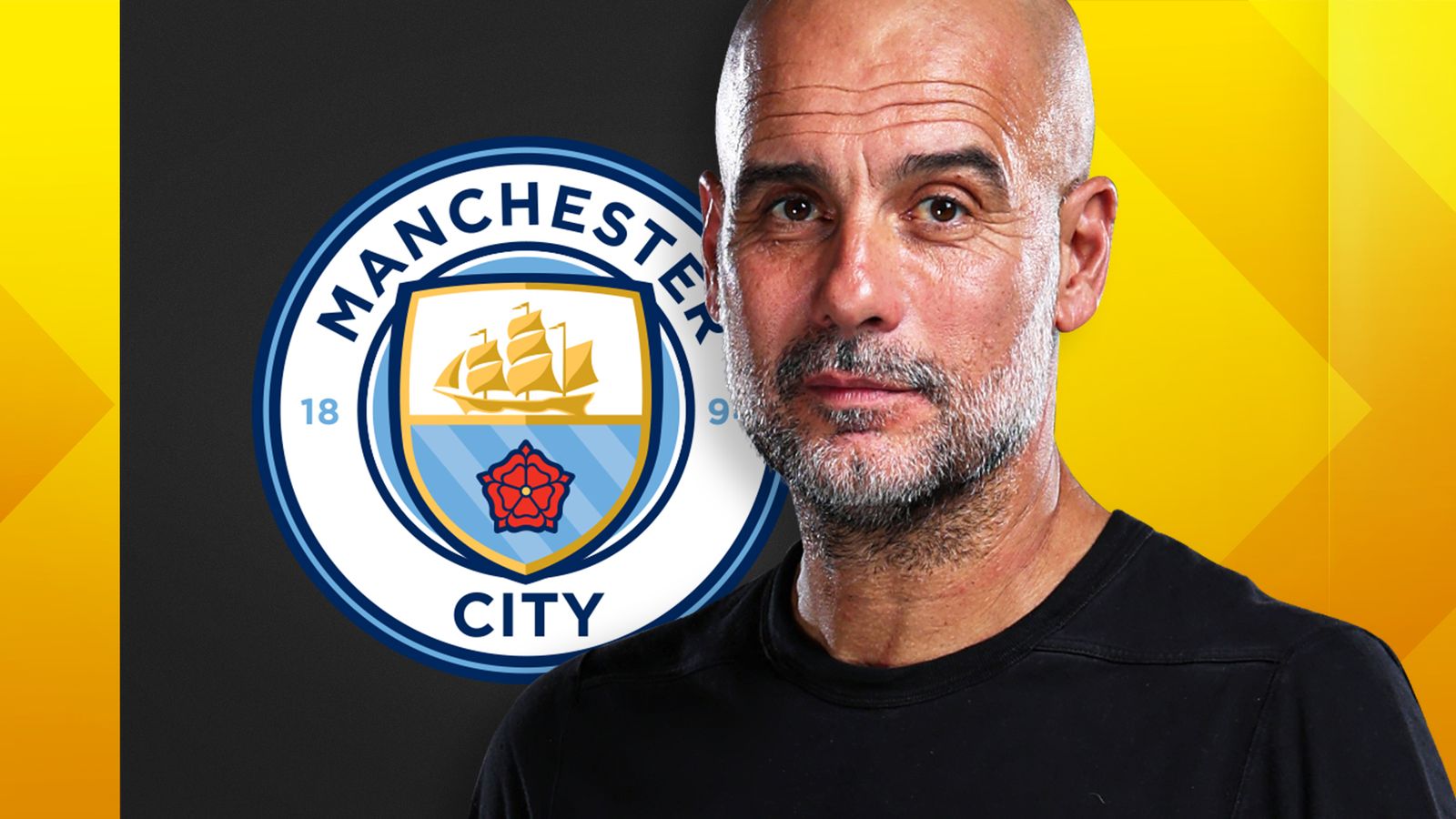
The defining moment of the year came via a simple, almost exhausted public admission. According to Sky Sports, Guardiola confirmed his impending exit, stating plainly,
"I've been fun... but I have one more year on my contract."
That single sentence changes the entire trajectory of the Premier League, signaling the end of an era. Manchester City now enters an unprecedented transition period, knowing their tactical architect is actively walking out the door. Rivals who have been relentlessly battered by City for a decade finally see a sliver of light at the end of the tunnel. The next twelve months will be an extended, heavily scrutinized farewell tour.
Honorable Mentions
Everton surviving another brutal points deduction scare purely through Sean Dyche's defensive stubbornness deserves a reluctant nod. The commercial collapse of the Saudi Pro League's television ratings provided a stark reality check for state-funded football projects. Finally, Juventus grinding out ugly 1-0 wins to secure a quiet return to Italy's top tier showed that some things simply never change.