The Big Picture
The 2025-26 football season was a relentless churn of shattered narratives and new legends. We saw an impossible title race, final-day collapses, and a Champions League run fueled by a radical youth philosophy. While the established powers remained formidable, the campaign's defining story was the constant friction between on-pitch brilliance and off-pitch courtroom drama. This wasn't just a season of great goals. It was a year of systemic shifts, angry managers, and referees scrambling for apologies.
10. The January Striker Panic
Winter transfer windows are usually quiet. Clubs prefer to do their heavy lifting in the summer when prices are rational. This year, desperate executives panicked. Chelsea and Manchester United engaged in a bizarre, public bidding war for mid-tier European forwards. Sporting directors abandoned strategy after slow starts to the campaign. Agents exploited this fear to secure massive commissions.
This desperation highlighted a severe lack of long-term planning. Instead of scouting hidden gems in South America, top clubs recycled the same expensive, flawed names. It was a miserable indictment of modern recruitment departments. Paying £65 million for a striker who managed four league goals the previous season is not strategy. It is pure panic. It derailed both clubs' attempts to secure consistent Champions League football.
9. Aston Villa’s European Statement
Unai Emery turned Villa Park into a fortress this season. Their dispatching of Bayern Munich in the Champions League group stage wasn't a fortunate result. It was a methodical tactical dismantling of a European giant. Emery isolated the German side's center-backs, forcing them into sloppy possession errors deep in their own half.
Ollie Watkins pressed relentlessly. He dragged defenders out of position, creating acres of space for Morgan Rogers to exploit. Youri Tielemans dictated the tempo from deep, spraying passes out to the flanks. The 3-1 victory sent a cold message across the continent. Villa were genuine contenders capable of bloodying the noses of the traditional elite. Emery proved once again that his knockout football acumen is nearly unmatched.
8. The End of Leverkusen's Streak
Xabi Alonso's Bayer Leverkusen finally tasted defeat. After a historic unbeaten run spanning well over a calendar year, they fell to RB Leipzig in early November. The loss was sudden and brutal. Leipzig bypassed the famous Leverkusen midfield press with sharp, direct diagonal balls over the top.
Alonso looked shell-shocked on the touchline. Granit Xhaka lost control of the tempo in the middle. Jeremie Frimpong was constantly pinned back into his own defensive third. His team conceded twice in the final ten minutes. The aura of invincibility shattered instantly, turning the Bundesliga title race into a frantic scramble. The loss proved that the German champions were human after all.
7. Ten Hag’s Final Stand
The writing was on the wall for months. Erik ten Hag's volatile tenure at Manchester United finally ended after a dismal 4-0 defeat at Crystal Palace. The team looked disjointed all afternoon. They lacked basic defensive effort and a coherent tactical plan to progress the ball.
INEOS had seen enough. The mid-season sacking was entirely predictable, but the manner of the final defeat was genuinely shocking. Senior players were casually jogging back on defensive transitions. Casemiro looked entirely finished, constantly losing foot races in the center of the park. It was an ugly reminder of how quickly a modern dressing room can completely tune out a manager. United spent the rest of the season scrambling to salvage Europa League qualification.
6. The Refereeing Meltdown at Anfield
Liverpool hosting Arsenal in late February was billed as a title decider. Instead, it became a bitter referendum on officiating. Martin Odegaard controlled the midfield, but the match was defined by the whistle. A blatantly missed handball in the penalty box in the 89th minute cost Liverpool two massive points.
The referee waved play on, and VAR incredibly refused to intervene. The PGMOL issued another groveling apology the following morning. Apologies do not change the league table or restore dropped points. The incident reignited fierce debates about semi-automated officiating and the base competence of the men operating the monitors at Stockley Park. It was a dark day for the credibility of the league's refereeing standards.
5. Real Madrid’s Transition Year Stumbles
Carlo Ancelotti struggled to fit all his expensive superstars into one cohesive unit. With Kylian Mbappe, Vinicius Junior, and Jude Bellingham all demanding the exact same half-spaces, Madrid often looked totally unbalanced. They dropped points to Osasuna and Mallorca in deeply frustrating fashion during the autumn.
The midfield sorely lacked the metronomic control previously provided by Toni Kroos. Eduardo Camavinga tried to cover the gaps, but the structure was broken. Games turned into chaotic basketball matches rather than controlled football matches. It proved that simply hoarding elite attackers does not guarantee fluid performances. The modern Galactico model showed its inherent structural flaws. Ancelotti had to resort to pragmatic setups just to grind out narrow wins.
4. The Rise of the Bio-Banded Academy
Borussia Dortmund introduced a radical shift in youth development this season. They entirely abandoned traditional age groups. Instead, they organized their academy players by physical maturity and bone age. The results were immediate and striking.
They ignored birth certificates and focused purely on biological development. Smaller, technically gifted 15-year-olds stopped getting physically bullied by early bloomers who hit puberty early. They dominated the UEFA Youth League with superior passing networks. Other top European clubs are now desperately scrambling to copy the model. They are realizing they have likely been discarding elite, late-maturing talent for decades. Dortmund fundamentally changed how the sport approaches youth development.
3. Arsenal's Defensive Masterclass at the Etihad
Mikel Arteta took his Arsenal squad to Manchester City and unapologetically parked the bus. It was an ugly, grinding 0-0 draw. Yet, it was an absolute tactical triumph. Arsenal restricted City to exactly zero shots on target for the first time in years.
William Saliba and Gabriel Magalhaes dominated Erling Haaland in the air. Rodri was swarmed every time he touched the ball. Kevin De Bruyne was forced out wide to find any space at all. Arsenal surrendered possession entirely. They operated with a deep, suffocating low block that completely neutralized City's creative midfielders. It was a cynical, brilliant point. Arteta sacrificed aesthetics for a point that shifted the momentum of the title race.
2. The FIFA World Cup Expansion Backlash
With the 2026 World Cup in North America rapidly approaching, club managers finally snapped. The expanded 48-team format guarantees more games and less rest for elite players. Top managers led a unified chorus of angry complaints in press conferences throughout March.
Players are breaking down with severe muscle injuries at record rates. The physical demands are crossing into dangerous territory. International breaks are no longer a brief pause; they are an exhausting grind. The governing bodies continue to cram international friendlies and expanded club tournaments into an already bloated calendar. The greed of adding more matches is actively destroying the physical health of the athletes. The threat of a player strike has never felt more realistic.
1. The Shadow of the Financial Charges
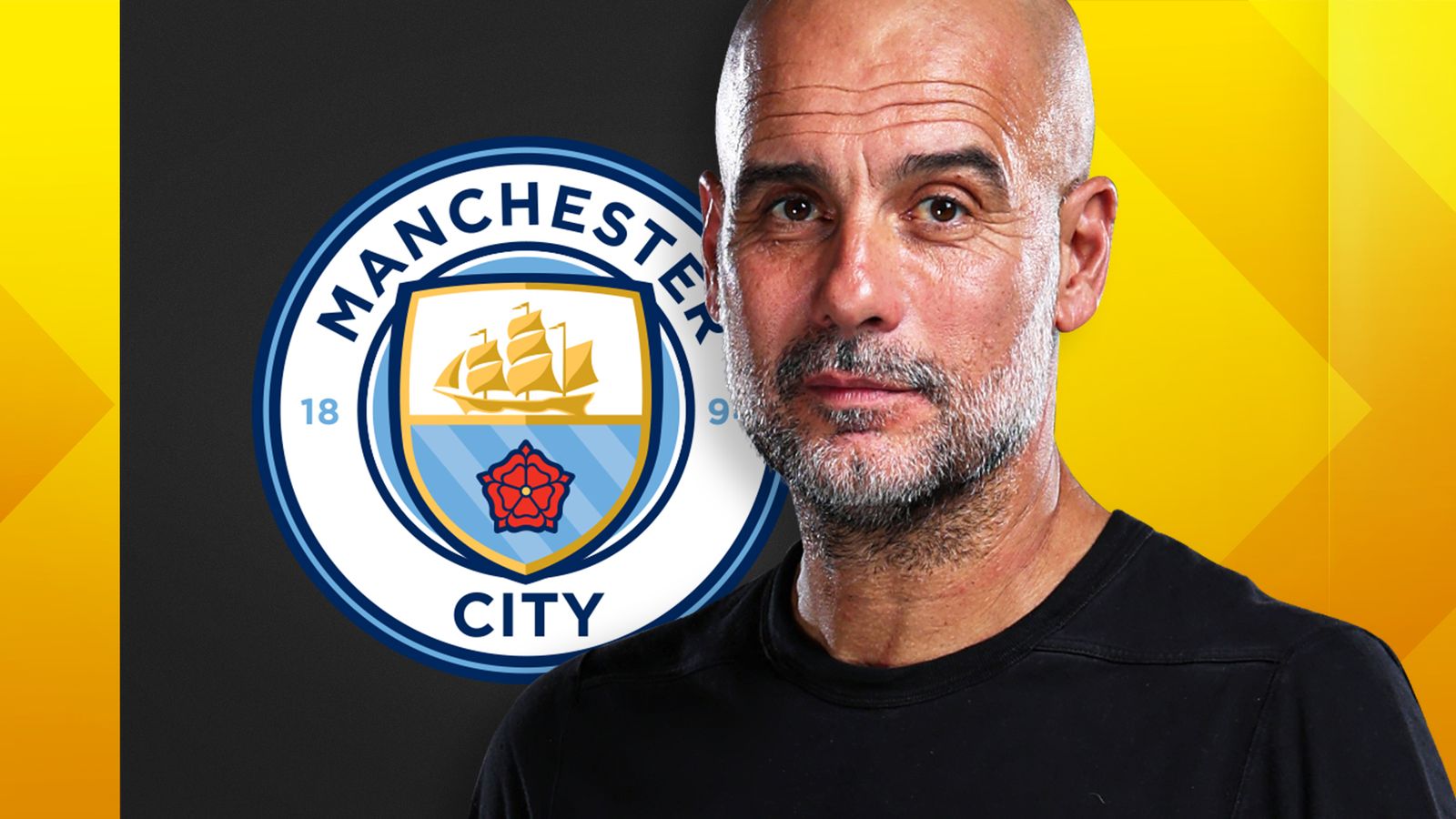
Every single Manchester City victory this season has carried a heavy asterisk. As The Mirror reported, the Premier League faces an incredibly awkward scenario. City could lift another league title just days before a court decision on their alleged financial breaches.
The lawyers are dominating the narrative as much as the strikers. The uncertainty is a toxic poison running through the league. Rival fans sing about the impending hearing. Opposing managers drop thinly veiled hints in interviews. Premier League executives constantly dodge questions. It casts a shadow over every brilliant Kevin De Bruyne pass or Phil Foden strike. If City are found guilty after lifting the trophy, the entire season becomes a farcical exercise. It is the defining, uncomfortable truth of the 2025-26 campaign.
Honorable Mentions
The chaotic return of Jose Mourinho to European football managed to entertain, even if the football was often dire. The African Cup of Nations produced another string of dramatic late goals and massive upsets. Finally, the total collapse of the French broadcasting deal sent shockwaves through Ligue 1, forcing several historic clubs into emergency fire sales just to keep the lights on.
Read Next
- Manchester United's defensive depth chart takes a hit in final stretch
- Man United’s win over Brentford was barely a victory worth celebrating
- Manchester City's calendar crunch threatens the title race
- Arsenal breath easy as Havertz injury concerns subside
- ⭐ UCL 2026 — Champions League Quarter-Finals Hub