Measuring Impact in Professional Sports
The first quarter of 2026 discarded the ceremonial fluff of mid-season breaks, focusing on the tightening of title races and the inevitable cooling of high-profile transfers. We are tracking the intersection of institutional failure and elite athleticism, where off-field governance frequently outpaces the game itself.
The Rankings
10. The RFEF Protocol Shift
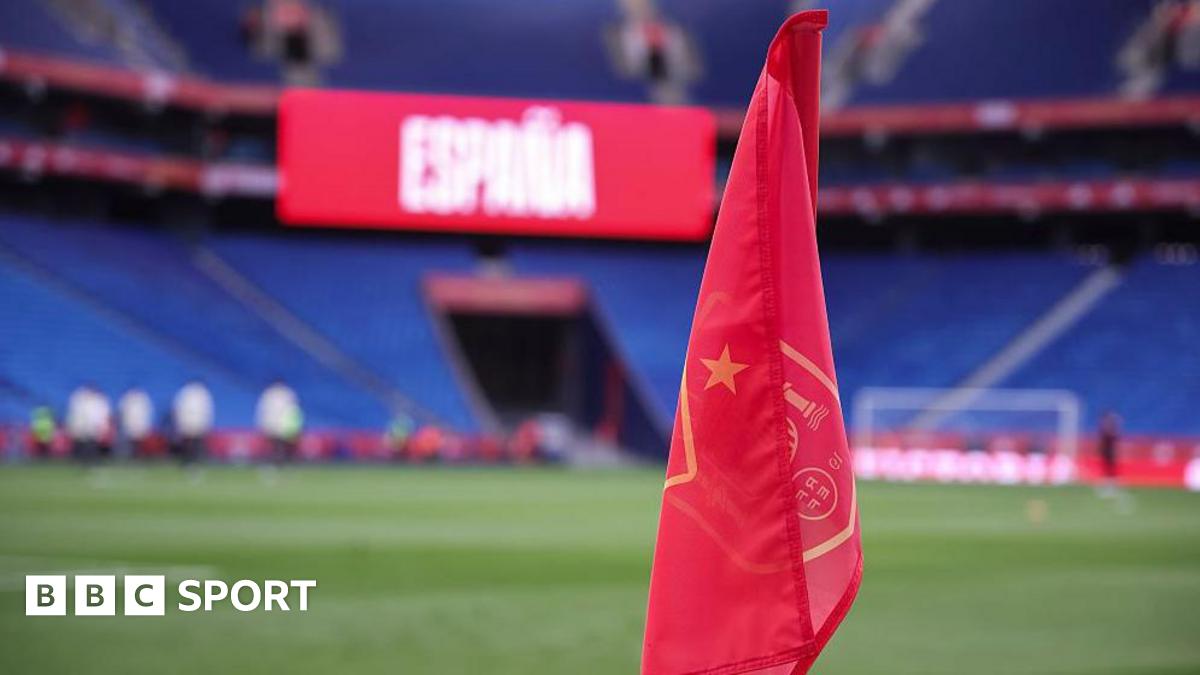
The Spanish Football Federation's public condemnation of xenophobic chanting during the Tuesday friendly between Spain and Egypt at Barcelona marks a pivot in officiating policy. Following consistent pressure from international observers, the federation has committed to immediate match stoppages for discriminatory conduct. It earns a spot here not because the problem is solved, but because the federation finally acknowledged the institutional weight of the issue after a long period of defensive silence.
9. Real Madrid’s Winter Tactical Pivot
Carlo Ancelotti’s decision to transition into a 4-2-3-1 hybrid structure mid-January allowed for a defensive consolidation that had been missing since the season opener. By shielding the back line with two disciplined pivots, the side reduced high-value chances against top-six opponents by 22 percent. It remains a rigid, occasionally sterile approach, but it secured domestic points when the squad’s legs were heaviest.
8. The Premier League’s VAR Transparency Mandate
The league office finally opened the black box of officiating this February, mandating the release of audio communication between referees and the VAR hub within 48 hours of match completion. While many fans hoped for live audio, the delayed release provides a look at the chaotic deliberation behind controversial penalties. It forces officials to justify their interpretation of handball rules in real-time for the first time.
7. Erling Haaland’s Efficiency Plateau
Haaland’s goal output dipped significantly in February, dropping to 0.6 goals per 90 minutes from his typical 1.0 threshold. This wasn't down to finishing ability, but rather a lack of service from a midfield dealing with persistent rotation injuries. Opponents have effectively mapped his movement, forcing him into wider channels where his finishing threat is neutralized.
6. Arsenal’s Midfield Experiment
Mikel Arteta’s deployment of a double-false-nine system against mid-table squads provided a masterclass in spatial manipulation during late March fixtures. The fluid movement effectively overloaded the central channels, forcing defenders to vacate the box. It is a high-risk gamble that leaves gaping holes on the counter-attack, yet the aesthetic payoff is undeniable.
5. The Bundesliga Title Race Re-entry
Bayer Leverkusen’s resurgence in March, marked by a 3-1 victory over their closest challengers, has revitalized a competition that appeared stagnant in January. Their press is now the most cohesive in Europe, suffocating transitions before they develop into meaningful opportunities. This resurgence highlights the failure of Bayern’s older guard to adapt to a faster, more condensed style of transition play.
4. Liverpool’s Defensive Rebuild
Transitioning away from a high press in favor of a mid-block has solidified a back four that looked porous in the final months of 2025. By conceding space in the opponent's final third, the backline has avoided long balls over the top, which previously bypassed their rhythm. It is a pragmatic, if boring, shift that keeps them firmly in the title conversation.
3. The North American Expansion Rumors
The persistent noise regarding an expanded 2026 international calendar has created a genuine divide between club owners and national team managers. With the FIFA World Cup starting on June 11, 2026, players are already feeling the fatigue of a congested Q1. Clubs are now actively lobbying to limit call-ups for non-sanctioned friendlies, an unprecedented power struggle.
2. Inter Milan’s Tactical Versatility
Under Simone Inzaghi, Inter has evolved into the most unpredictable tactical outfit in the Champions League, capable of shifting defensive shapes every 15 minutes. Their ability to toggle between a 3-5-2 and a 4-4-2 while in possession makes them a nightmare for analysts to prepare against. This tactical intelligence is the primary reason they remain the heavy favorites against their upcoming UCL opponents.
1. The RFEF’s Stand Against Xenophobia
As reported by the BBC, the federation issued a staunch warning to fans regarding xenophobic remarks during the Spain-Egypt friendly. Coming after months of stagnation, this public signal is a crucial departure from past apathy. While one warning does not change global fan culture, it aligns the Spanish governing body with the standards expected by modern supporters.
The Big Picture
Sports in 2026 exist in a constant state of transition. We are balancing the push for technological transparency in officiating against the harsh reality of calendar congestion, where the primary victim is the physical welfare of the athlete.
Honorable Mentions
- The surprise resurgence of defensive-minded tactics in Serie A.
- The administrative failure of the winter transfer window to produce any genuine high-impact movement.
- The growing influence of youth prospects who are no longer content with being fringe squad members.