The Rise of Tactical Flux
International football in early 2026 has been defined by a departure from defensive staleness. Managers are finally abandoning conservative mid-blocks in favor of high-press schemes that prioritize squad versatility over fixed positions.
The Rankings
1. The England Captaincy Experiment. Tonight, March 31, 2026, Marc Guehi leads the Three Lions against Japan at Wembley. While some critics scream about historical pedigree, this is a calculated test of on-pitch leadership for a younger generation. Giving the band to Guehi over established veterans proves the coaching staff values tactical awareness above locker room seniority. It is a bold, albeit risky, signal of intent ahead of the summer tournaments.
2. The resurgence of the 4-2-3-1 hybrid. Teams have realized that a static shape is an invitation for an opponent to transition. We are seeing central midfielders drifting into inverted fullback roles with alarming regularity this spring. This movement drags opposing defensive structures out of position, creating lanes for wingers like Gordon or Palmer to exploit.
3. High-press intensity in the Premier League. The speed of play has reached a point where ball retention is no longer the primary stat worth tracking. It is now about how quickly a team wins the ball back in the final third. The data confirms that defensive line height has increased by an average of three meters across league leaders since winter.
4. The abandonment of the target man. The classic back-to-goal striker is becoming a liability in top-tier possession games. Managers now want fluid forwards who rotate positions every fifteen minutes. This change has rendered several high-priced traditional strikers obsolete overnight.
5. VAR transparency initiatives. While fans remain skeptical, the move toward releasing audio from referee decisions has lowered the temperature during matches. It has not stopped the controversies, but it has at least provided a glimpse into the logic used for calls. The 87th minute decision in recent league play proved that even with better communication, human error remains the biggest variable.
6. Youth academy saturation. The number of U21 players seeing significant starting minutes has climbed by 20% compared to last season. Clubs are finally realizing that an aging bench is a heavy financial anchor. Young talent provides both a higher energy ceiling and a better potential for resale profit.
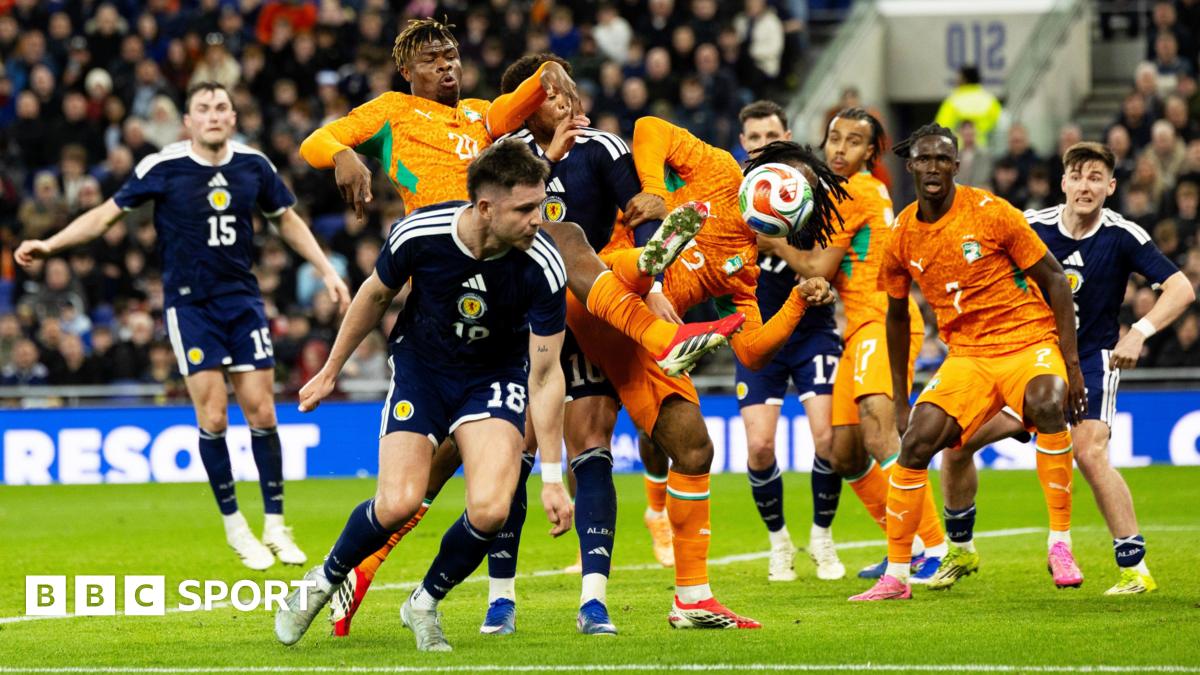
7. The death of the long ball. Statistically, long balls into the box now have a success rate hovering near zero percent for mid-table sides. Unless a team has a statistically significant height advantage, teams are playing through the middle. Punting it forward is now viewed as an admission of tactical failure.
8. Set-piece coach salaries. Specialization has hit a peak where clubs are paying seven-figure salaries for staff whose only job is dead-ball scenarios. The focus on corners and free kicks has turned marginal gain theory into a core offensive strategy. It is not pretty, but it accounts for a large percentage of goals in tight matches.
9. The shift toward rotation over durability. Managers have stopped treating 90-minute performers as iron men. Fatigue is being actively managed via substitution patterns that mirror high-intensity interval training. Those who refuse to rotate in the final quarter of the match are consistently dropping points in the dying stages.
10. Improved broadcast audio capture. The tech used to isolate player-to-player communication has changed how we consume the game. Being able to hear tactical instructions shouted from the sideline during a corner kick adds a layer of depth that was previously missing. It makes the game feel more intimate, even if the commentary teams struggle to keep up.
The Big Picture
The game is faster, younger, and less interested in tradition than at any point in the last decade. As The Guardian reported today, the shift in leadership and personnel for England highlights a broader trend: adaptability is the new supremacy. If teams continue to prioritize high-press systems over individual stardom, the results will only become more volatile.
Honorable Mentions
The rise of advanced tracking chips in boots has given us precise movement data, though it hasn't improved officiating quality by a measurable margin. Additionally, the increasing reliance on cloud-computed fitness tracking has led to fewer muscle injuries but a strange lack of game-fitness in older squads. These are the growing pains of a sport that finally cares about its own math.
Read Next
- Middle of the park decides the World Cup, don't let anyone tell you otherwise
- Predicting the Champions League chaos: Who makes the Munich final?
- Real Madrid and City are headed for a second leg collision course
- England vs Japan: The internet is losing its mind over this friendly
- 🇯🇵 Japan World Cup 2026 — Samurai Blue Hub