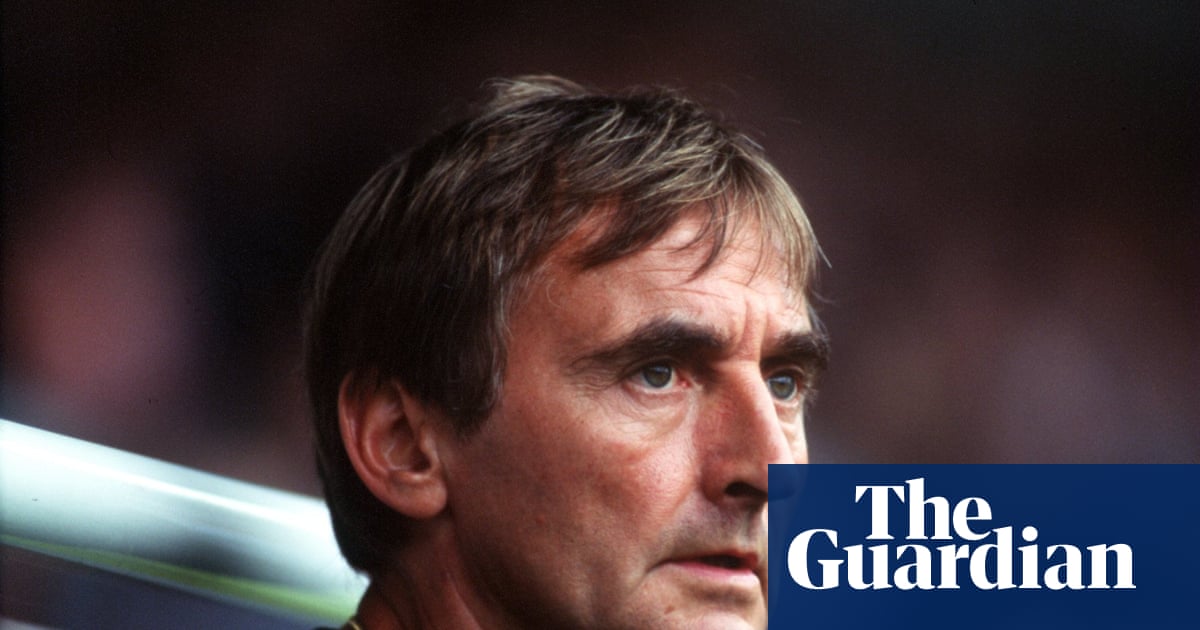
The Big Picture: The Last One-Club Man
Loyalty is a fossil in 2026. As we look toward the UCL Semi-Finals next week, the sport is defined by mercenaries and three-year cycles. But the death of Tony Parkes today at 76 reminds us that football used to have a soul. Parkes wasn't a brand; he was the plumbing of Ewood Park. He stayed for three decades while the world changed around him. He was the man who kept the lights on when the billionaires were sleeping. We lose more than a coach today; we lose the institutional memory of a club that once conquered England.
10. The Non-League Arrival from Buxton
In 1970, Blackburn Rovers didn't sign a global icon. They signed a midfielder from the Northern Premier League for a fee that wouldn't cover a modern agent's lunch. Parkes arrived at a club in the second tier and stayed through the mud and the glory. He wasn't a flashy technician, but he was a workhorse who understood the geography of the pitch. This moment matters because it represents the start of a 34-year association. You don't see talent paths like this anymore, where a player grows from the dirt of non-league into the fabric of a Premier League giant. It was the ultimate low-cost, high-reward investment that defined the pre-money era.
9. The 1974-75 Division Three Title
People often forget that Parkes was a damn good player before he was a caretaker. He played over 350 appearances for Rovers, and this title was his on-field peak. He was the engine room that dragged the club back toward respectability. Winning silverware in the lower leagues builds a specific kind of grit that modern academy kids lack. Parkes wasn't playing for a move to a bigger club. He was playing for the badge on his chest. This title showed he was a winner, proving to the fans that he belonged at Ewood Park for the long haul.
8. The 1992 Testimonial Recognition
By 1992, Parkes had already given twenty-two years to the cause. Most players are lucky to get five. Ewood Park turned out to honor a man who had survived managers, relegations, and the end of his own playing career. It was a bridge between the old Blackburn and the Jack Walker revolution. It is rare for a coach to get this level of adulation. He was already a legend before the millions started flowing in. This moment ranks here because it solidified his status as "Mr. Blackburn Rovers" before the club became a global talking point.
7. The Millennium Stadium Triumph
As assistant to Graeme Souness in 2002, Parkes finally got his hands on the League Cup. Rovers beat Tottenham 2-1 in a tense final in Cardiff. Souness provided the fire, but Parkes provided the cool head on the bench. He was the one who knew how to talk to the players when the manager’s temper boiled over. It remains the last major trophy in the cabinet. Seeing him lift that cup was a validation of his transition from the pitch to the dugout. He was the quiet architect of a win that brought pride back to Lancashire.
6. The Six-Stint Caretaker Cycle
Parkes took the wheel six different times between 1986 and 2004. He was the human equivalent of a fire extinguisher. Whenever the board panicked and sacked a manager, they called Tony. He never bitched about not getting the job permanently at first. He just worked. This ranking is about his reliability. Most coaches would have walked away after being passed over for the "big name," but Parkes stayed. He knew the club better than anyone they could hire from the outside. It was a cycle of service that bordered on the obsessive.
5. The 1992 Promotion Under Dalglish
Kenny Dalglish got the headlines, but Parkes was the local guide. He showed Dalglish where the bodies were buried and how the club worked. Getting back to the top flight in 1992 changed the trajectory of the town. Parkes was the glue in that coaching staff. He managed the egos of the expensive new signings while keeping the local core grounded. Without his quiet influence, the culture clash between the old guard and the new money could have derailed the project. He made sure the club didn't lose its identity in the rush for success.
4. Mentoring the 1995 Champions
Blackburn reached 89 points to win the Premier League in 1995, and Parkes was the constant. While Shearer and Sutton were bullying defenders, Parkes was on the training ground refining the tactics. He was the man the players went to when they couldn't talk to the gaffer. He understood the pressure of a title race because he had seen the club at its absolute lowest. This wasn't just about coaching; it was about emotional management. He kept the squad focused when the pressure from Manchester United became unbearable in the final weeks of the season.
3. The 1997 Relegation Rescue
This was his masterpiece. After Ray Harford left, Rovers were bottom of the table and looked like a spent force. The title-winning squad was crumbling. Parkes stepped in as caretaker in 1997 and performed a miracle. He simplified the game. He didn't try to be a tactical genius; he just made them hard to beat. Dragging that team to safety saved the Jack Walker legacy. If they had gone down then, the club might never have recovered. It was the most important work he ever did for the club, even if it didn't come with a trophy.
2. The Great Refusal
Parkes was offered the permanent manager's job but turned it down. That is the most honest act in the history of the Premier League. He knew his limitations. He knew he was a world-class coach but didn't want the political headache of being the frontman. In an industry full of frauds who over-promote themselves, Parkes had the self-awareness to stay where he was most effective. It was a selfless decision that prioritized the club's stability over his own ego. That kind of integrity is extinct in the modern game.
1. The 34-Year Life Sentence
The number one moment is actually the duration. Parkes served for 34 years without ever looking for a way out. He was a player, a coach, a scout, and a manager. As The Guardian reported today, he was the longest-serving employee for a reason. He was the soul of the place. Blackburn’s board often took advantage of this loyalty, using him as a cheap sticking plaster rather than investing in a proper long-term structure. They knew he wouldn't complain. But for the fans, he was the only thing that didn't change. He was the North Stand in a tracksuit. We will never see a 34-year run like this again.
The Critical Take: A Safety Net Too Long
While we celebrate the man, we have to admit the club failed him at times. Rovers used Tony Parkes as a crutch to avoid making hard decisions. They knew he would always be there to pick up the pieces, which allowed the hierarchy to be lazy with their appointments. He deserved a more formal transition or perhaps a more respected exit in 2004. He was the best manager they never officially had, and that's as much a failure of the boardroom as it is a tribute to his humility. He was too good for the people running the show.
Honorable Mentions
- The 1980 promotion from Division Three as a player.
- His role in scouting the youth talent that would eventually keep the club afloat in the early 2000s.
- The final goodbye in 2004, a quiet exit for a quiet man.