The Big Picture: The Sprint to the Finish
European football is entering its most volatile phase of the decade. As of late April 2026, the collision between the expanded 48-team World Cup preparations and the most congested Champions League schedule in history has created a high-stress environment for players and managers alike. We are seeing the physical limits of the elite game being tested in real-time as we approach the final weeks of the domestic calendar.
10. The Sutton Prediction Gauntlet
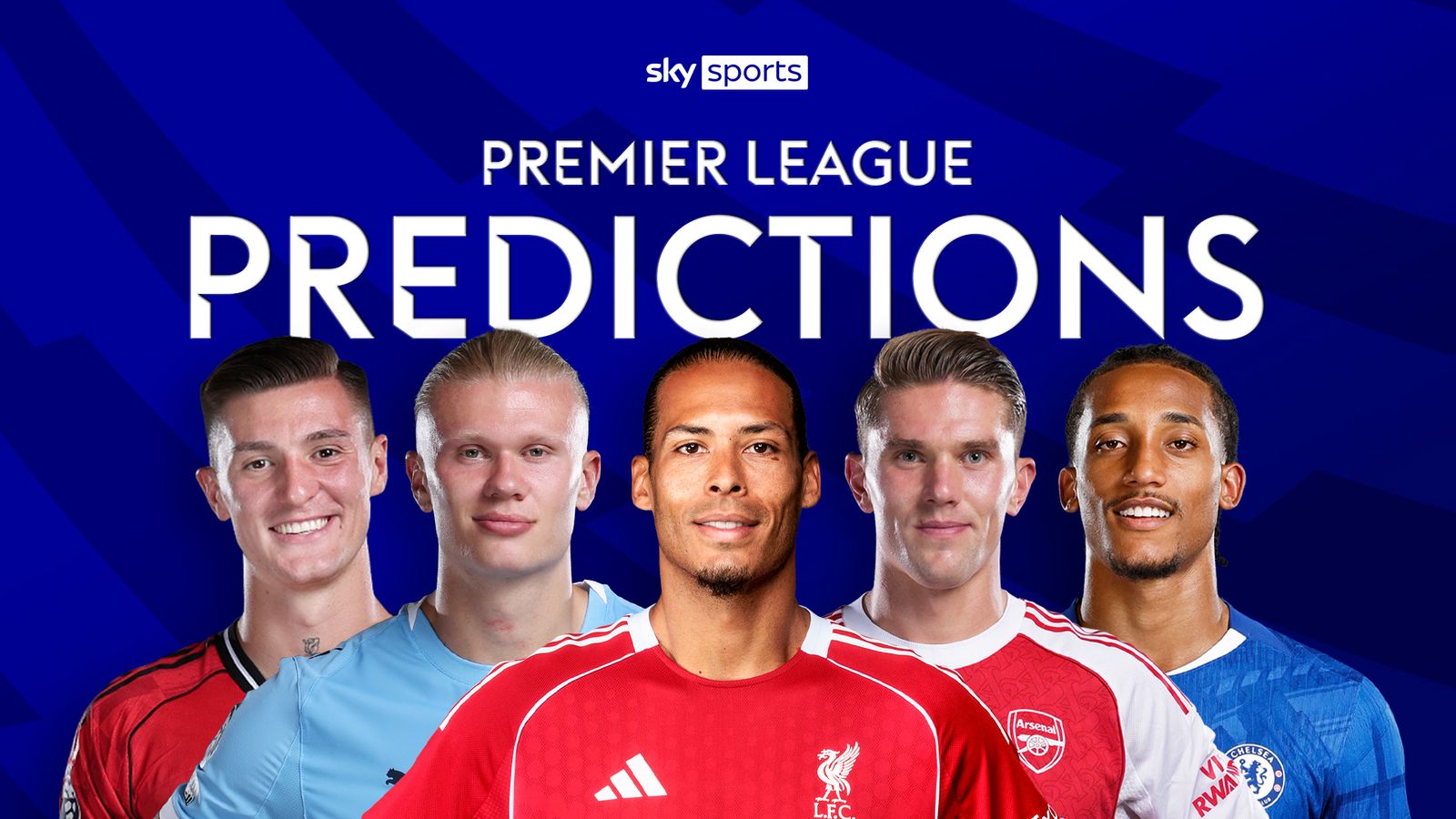
Chris Sutton taking on Race Across the World host Alfie Watts might seem like a minor footnote, but it captures the current obsession with the predictive side of the game. As The BBC reported, the battle between human intuition, reader polls, and AI models has become the primary way fans consume the weekend build-up. Sutton remains the most polarizing voice in this space, often leaning into the friction of the title race with a bluntness that traditional pundits avoid. His refusal to play it safe with the mid-table fixtures this week shows exactly why he remains a fixture of the BBC's football coverage. The tension between his 'gut' and the data-driven models highlights the growing divide in how we analyze modern tactics.
9. The 104-Match Marathon Realization
The scale of the 2026 World Cup has finally hit home this month as FIFA finalized the grueling 39-day schedule. Moving from 64 to 104 matches is a logistical behemoth that many fear will dilute the quality of the group stages. We are looking at a tournament that requires eight matches to reach the trophy, a significant jump from the traditional seven. The sheer volume of games across three countries is a commercial masterstroke but a sporting nightmare for medical departments. It represents the ultimate victory of quantity over the tightly-packed drama of previous formats.
8. The Third-Place Safety Net
The introduction of the 'eight best third-placed teams' rule for the 2026 knockout rounds has officially sparked its first major controversy this spring. Tactical analysts are already warning that this format encourages negative football during the final group matches in June. Teams will no longer need to win to survive; they will simply need to avoid heavy defeats to sneak through. This 'safety net' approach risks turning the opening two weeks of the World Cup into a series of stale stalemates. It is a fundamental shift that rewards survivalism rather than the high-stakes bravery we saw in Qatar or Germany. The integrity of the group stage is under more pressure than ever before.
7. The MetLife Coronation
The decision to hold the 2026 Final at MetLife Stadium in New Jersey remains a point of intense debate as April ends. Dallas made a massive push for the final game, offering a climate-controlled environment and a more central location. But New York/New Jersey won the day, betting on the prestige of the East Coast and the global visibility of the Manhattan skyline. For FIFA, this was never about the most modern stadium; it was about the most lucrative media market. Critics point to the 104-match total as a reason why a roofed stadium in Dallas would have been more humane for players. The July heat in New Jersey will be a brutal factor that the organizers have largely downplayed in their promotional materials.
6. The Death of Tony Parkes
Blackburn Rovers legend Tony Parkes passed away today at 76, marking the end of an era for the 'one-club man' archetype. Parkes served Rovers for over three decades, stepping in as caretaker manager on six different occasions whenever the club hit a crisis. He was the constant in a sport that has become increasingly transient and corporate. In an age of superstar managers who leave after two seasons, Parkes was a reminder that loyalty used to be a currency in English football. His passing is a quiet but heavy blow to the soul of the Lancashire game. He wasn't just a coach; he was the institutional memory of Ewood Park.
5. The Quarter-Final Exit Fever
The Champions League Quarter-Finals earlier this month (April 7-14) delivered a level of chaos that the new format desperately needed. We saw two of the favorites crash out due to individual errors in the 89th minute of the second legs. The intensity of these matches has left several domestic title contenders looking physically drained in their league outings this week. It raises a critical question about the sustainability of the current elite calendar. We are watching world-class players operate at roughly 70 percent of their physical capacity because the recovery windows have vanished. The spectacle is being maintained at the direct expense of the athletes' long-term health.
4. Xabi Alonso’s Tactical Ceiling
While Xabi Alonso has been the golden boy of management for two seasons, this April has seen the first real cracks in his tactical armor. Opponents have finally begun to solve the high-possession, inverted-wingback system that looked unbeatable last year. Leverkusen, or whichever club he eventually leads into the 2026/27 cycle, is facing a period of necessary evolution. No manager stays at the top without a Plan B, and Alonso's refusal to deviate from his primary structure has cost his side points in crucial April fixtures. It is a fascinating study in whether a specific philosophy can survive the constant adaptation of top-tier European scouting. He remains brilliant, but the aura of invincibility has finally faded.
3. The Return to Estadio Azteca
Mexico City is preparing to make history on June 11 as the first city to host three opening matches. The renovation of Estadio Azteca is nearing completion, and the weight of history is already being felt across North America. While the US will host the later stages, the Azteca remains the spiritual home of this tournament. There is a sense of justice in having the opening whistle blow in a stadium that saw Pele and Maradona at their peaks. However, the commercial reality means many of the local fans are being priced out of their own landmark. It is a bitter pill for a city that has carried the torch for North American football for decades.
2. The Premier League’s Triple Threat
The three-way title race between Liverpool, Manchester City, and Arsenal has reached a fever pitch this week. We are seeing a level of consistency that requires almost 95 points to secure the trophy. One draw in April now feels like a terminal failure, a standard of perfection that is both impressive and exhausting to watch. The tactical chess matches between these sides have become so refined that they often cancel each other out in the biggest games. Fans are witnessing the highest level of technical football ever played, yet some argue it has become too clinical. The unpredictability of the early 2000s has been replaced by a machine-like efficiency that leaves little room for individual flair.
1. The Collision of Two Eras
The most defining moment of this season is the transition from the 'Legacy' era to the 'Volume' era. We are currently in the gap between the last traditional Champions League cycle and the first 48-team World Cup. This April is the peak of that friction, where the demands of television broadcasters and sponsors have finally outweighed the physical limits of the sport. Every match we watch right now is a testament to the endurance of the players rather than their peak creativity. We have traded the rarity of great moments for the frequency of good ones. It is a fundamental shift in the identity of football, and we are the first generation to see the consequences in full.
Honorable Mentions
Harry Kane’s continued pursuit of the all-time Bundesliga scoring record remains a secondary narrative that deserves more attention. In Italy, the resurgence of the Milan clubs has brought a much-needed balance back to the Champions League knockout stages. Finally, the rise of the 'Transfer-on-Demand' culture among young players in France suggests that the next summer window will be the most chaotic on record. None of these quite made the top ten, but they are the background noise of a season that refuses to slow down.
Read Next
- Top 10: Moments Shaping the Road to the 2026 World Cup
- Michael Carrick has brought quiet to Old Trafford but the board remains unconvinced
- Top 10: The Moments Defining the 2025/26 Season
- Top 10: The Definitive Tony Parkes Moments
- 🏆 World Cup 2026 — Full Coverage Hub
- ⭐ UCL 2026 — Champions League Quarter-Finals Hub