The Big Picture
The 2025-26 football calendar has been a chaotic scramble of expanded tournaments, touchline meltdowns, and state-backed drama. As we barrel toward a bloated 48-team World Cup this summer, the club season delivered moments that fundamentally shifted the balance of power.
Here are the ten moments that defined a fractured, exhausting, but undeniably compelling year in the sport.
The Rankings
10. Ronaldo's "Convenient" Saudi Title Push
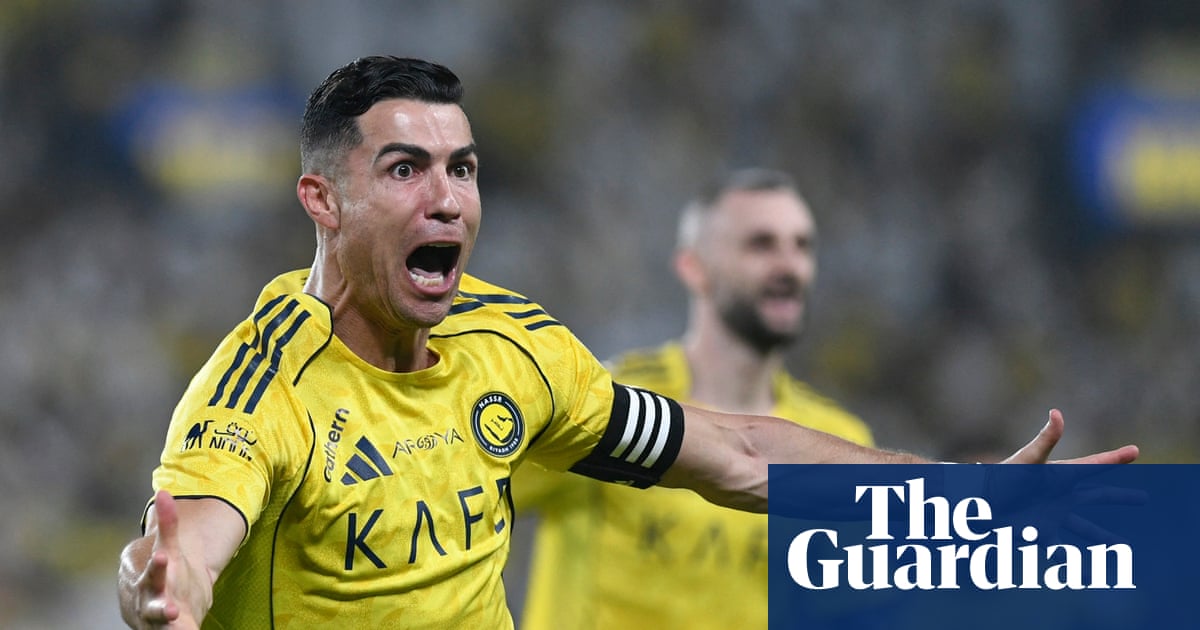
Cristiano Ronaldo is agonizingly close to his first major trophy since arriving at Al-Nassr in December 2022. With just three games remaining in the Saudi Pro League, his club is somehow bridging the gap to Jorge Jesus's dominant Al-Hilal side.
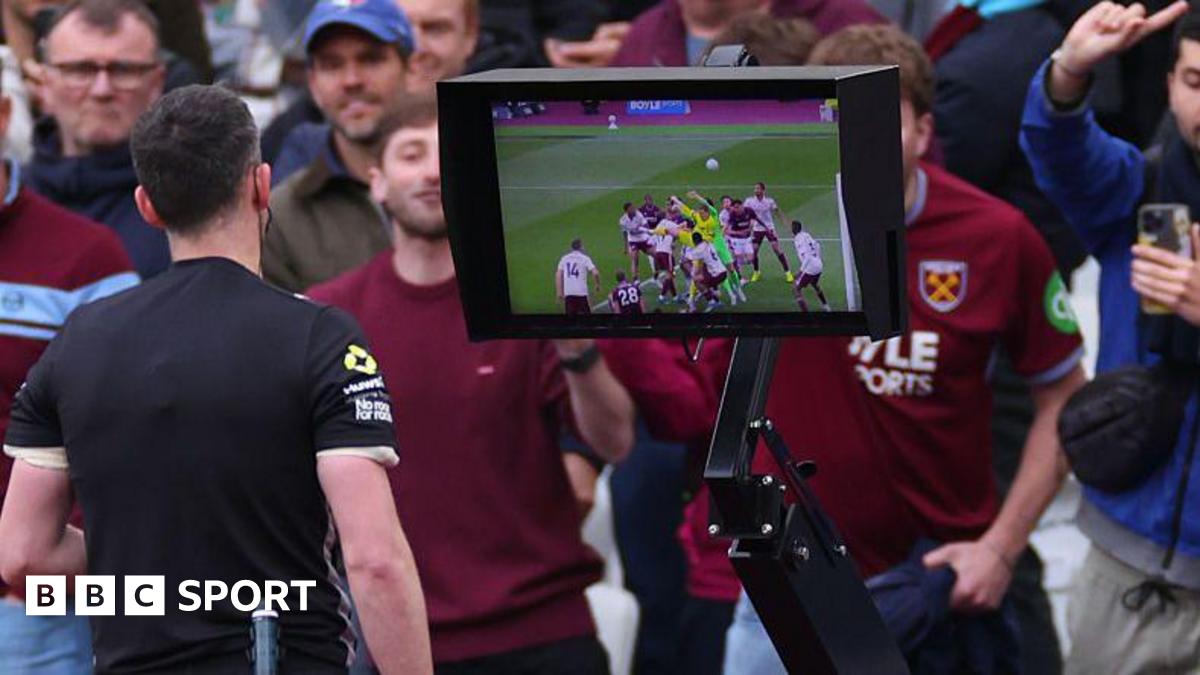
The Guardian reported this week that rivals are finding the officiating down the stretch a little too convenient. Penalties have arrived right on schedule, and late VAR interventions consistently fall in Al-Nassr's favor just when they look out of ideas.
It highlights the immense tension in a league desperate to validate its massive financial investment with a trophy for its most famous import. Nobody wants to see a $200m player finish empty-handed again. The pressure on the referees is immense, and every single whistle is scrutinized by viewers expecting foul play.
9. Mbappe's Tactical Misfit at Real Madrid
Carlo Ancelotti finally cracked under the pressure of fitting four elite left-wingers into a single starting eleven. The ugly 3-1 home defeat to Barcelona in March exposed the glaring structural flaws of shoehorning Kylian Mbappe into a central role where he lacks space to operate.
He spent 90 minutes occupying the exact same half-spaces as Vinicius Junior, resulting in a stagnant, predictable attack that Barcelona easily dismantled on the counter. Instead of adapting to his personnel, Ancelotti tried to force a broken system against an opponent that was specifically built to punish slow transitions.
Real Madrid's galactico strategy undoubtedly sold millions of shirts in Asia and America, but it actively worsened their defensive transition and pressing shape. You cannot buy four sports cars and expect them to pull a tractor.
8. The African Cup of Nations Final Chaos
The delayed AFCON final in early 2026 delivered an all-time classic that was severely marred by organizational disasters off the pitch. Senegal and Morocco played a grueling 120 minutes of high-intensity, physical football, but the match was overshadowed by a massive 40-minute delay due to stadium lighting failures.
Fans who traveled thousands of miles were left sitting in complete darkness while officials scrambled to find backup generators. The entire sequence was deeply embarrassing for the regional confederation.
When play finally resumed, Sadio Mane missed a decisive penalty in the shootout, handing Morocco the crown in front of a half-lit stadium. The stark contrast between the elite, world-class talent on the pitch and the crumbling stadiums surrounding them perfectly encapsulated the frustrating state of international tournament football.
7. Manchester City's European Collapse
Pep Guardiola's infamous tactical overthinking reared its head precisely when Manchester City could least afford a mistake. In the Champions League quarter-finals this past April, Guardiola opted for a bizarre, untested double-pivot featuring John Stones and a half-fit Mateo Kovacic.
Bayern Munich ruthlessly exploited the massive gaps in midfield, cutting through City's disjointed press with terrifying ease and speed. Guardiola has built a dynasty on control, but this iteration of City lacked the pace to recover when that control was broken.
The heavy 4-0 aggregate defeat wasn't just a bad night at the office; it looked like the definitive end of an era for a squad that suddenly appeared old, slow, and devoid of fresh attacking ideas. The domestic dominance simply could not mask their fatal European flaws.
6. Arsenal's April Stumble (Again)
Mikel Arteta simply cannot shake the ghost of late-season collapses that have defined his tenure. Arsenal held a hard-fought four-point lead at the top of the Premier League on April 1st, only to inexplicably drop nine points in three disastrous matches.
The defining failure was a home loss to Aston Villa where Bukayo Saka looked entirely burnt out, struggling to beat his man or even track back on defense. Arteta's stubborn refusal to rotate his starting wingers through the grueling winter months caught up with them at the worst possible moment.
The Emirates stadium emptied out with ten minutes left on the clock, a grim reflection of a fanbase that has seen this exact script play out too many times before. The mental fragility within this specific group of players is undeniable.
5. The Super League Resurrection Attempt
A22 Sports Management tried to force a revised, watered-down Super League format down our throats again in February. The new proposal featured a tiered system with promotion and relegation, but match-going fans saw through the thin veil of meritocracy instantly.
Widespread, coordinated protests in Germany and England shut down the momentum within 48 hours, forcing legacy clubs like Barcelona to issue deeply embarrassing public retractions. It highlighted a growing, permanent fracture between the billionaires who own the clubs and the communities that actually sustain them.
The complete misread of the room by out-of-touch broadcast executives proved that European football's governance is still fundamentally broken. The PR damage will take years to fully repair, assuming fans ever forgive them.
4. Xabi Alonso Stays Put
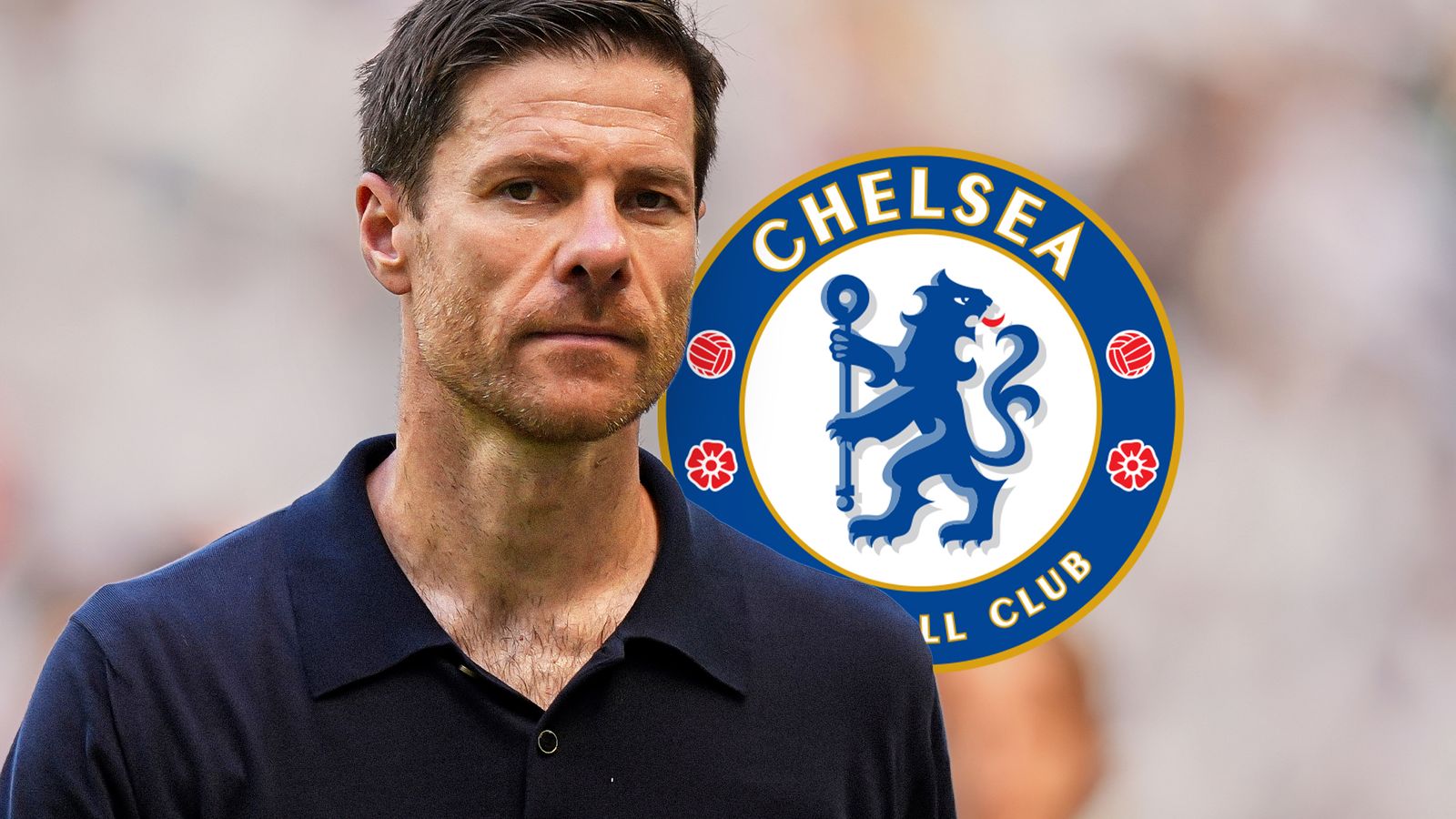
The most shocking managerial decision of the entire year wasn't a dramatic firing, but a calm retention. Xabi Alonso publicly rejected massive financial offers from Bayern Munich and Liverpool to stay at Bayer Leverkusen for another brutal campaign.
His sudden announcement completely derailed Bayern's entire summer recruitment strategy and left Liverpool scrambling for secondary alternatives in the middle of a tight title race. Alonso's loyalty to his specific squad is a rare act of defiance in a sport where coaches usually jump at the very first sign of a massive paycheck.
It also provided a brilliant blueprint for other emerging managers: you do not have to leap at the first elite job that opens up. Building a sustainable culture actually matters.
3. The Premier League's PSR Point Deductions
The Premier League's Profitability and Sustainability Rules finally sank their teeth deep into the middle class of the table. Everton and Nottingham Forest faced another brutal round of point deductions, throwing the relegation battle into complete chaos in early spring.
The opaque appeals process dragged on for weeks, leaving match-going fans and players completely in the dark about their actual standing in the league. When points are docked, restored, and docked again based on legal technicalities, the emotional investment of the fans is completely eroded.
The governing body effectively turned a vibrant sporting competition into a depressing accounting exercise, alienating supporters who just want matches decided on grass. It felt like watching lawyers argue over a spreadsheet.
2. Messi's MLS Farewell Tour Announcement
Lionel Messi confirmed to the press that the 2026 World Cup will mark the absolute end of his professional playing career. The simple announcement turned every Inter Miami away match into a frantic, wildly overpriced circus of farewells.
Ticket prices in secondary markets like Chicago and New England broke the $1000 barrier for basic upper-deck seats, entirely pricing out actual local supporters in favor of wealthy tourists. The league became a traveling tribute act rather than a serious sporting contest.
While his passing and vision remained brilliant in brief flashes, the suffocating media spectacle entirely overshadowed the actual domestic league competition. Every game felt like a sanitized exhibition designed to extract maximum cash from desperate, nostalgic fans.
1. The 48-Team World Cup Draw Absurdity
FIFA's massive, bloated draw for the 2026 World Cup was a global masterclass in bureaucratic overreach. With 48 teams clumsily split into 12 groups, the sheer volume of mediocre matchups confirmed everyone's absolute worst fears about the expanded format.
Seeing seeding pots that included nations entirely unprepared for the global stage guaranteed a group stage filled with dead-rubber matches and brutal defensive low-blocks. It is a tournament designed exclusively to maximize broadcast revenue at the expense of player health and sporting integrity.
Gianni Infantino paraded around the stage claiming it was a massive victory for global inclusion, but the basic math points directly to a diluted, exhausting event. We are walking directly into a month-long festival of fatigue and terrible football.
Honorable Mentions
Chelsea's continued inability to find a consistent striker despite spending hundreds of millions remains a fascinating, slow-motion disaster. Meanwhile, the implementation of semi-automated offsides in the Premier League managed to fix the frustrating timing issues but completely removed the spontaneous joy of goal celebrations. We fixed the technical glitch and killed the emotion completely.