The Big Picture
The 2025-26 football calendar has been an absolute grind of expanded tournaments, touchline meltdowns, and state-backed drama. As we barrel toward a bloated 48-team World Cup this summer, the club season delivered moments that fundamentally shifted the balance of power. Here are the ten storylines that defined a fractured, exhausting, but undeniably compelling year in the sport.
10. The Saudi Pro League Reality Check
The massive spending spree of 2023 feels like a distant memory. This season, European clubs largely held onto their prime assets. Players realized the competitive drop-off was steep, and high-profile stars started angling for return flights to Europe by January. The financial reality hit home. The market corrected itself quickly.
Saudi clubs shifted their strategy from acquiring aging superstars to targeting younger, mid-tier players. The disruption was real, but the Premier League and La Liga remain the undisputed pinnacles of the club game. Money alone cannot buy history.
9. Everton's Administrative Nightmare
The appeals. The hearings. The sheer exhaustion of following Everton's point deductions. Sean Dyche spent more time answering questions about independent commissions than his 4-5-1 tactical setups. It became a grim routine that overshadowed the actual football being played at Goodison Park. Fans grew tired of calculating permutations.
The Premier League's profit and sustainability rules dominated the news cycle week after week. Everton survived on the pitch, but the boardroom battles left a sour taste. The focus shifted from goals to spreadsheets, which is a terrible look for the sport. Football should be decided on the grass.
8. The Expanded Champions League Grind
UEFA wanted more games. They got them. The new Swiss model group stage was confusing at first, then simply exhausting. Mid-table clashes in November, like AC Milan grinding out a draw against Club Brugge, felt like preseason friendlies. The stakes were artificially lowered.
Squad depth was tested to the breaking point as big clubs rotated heavily, leading to disjointed performances. Smaller clubs got battered by the relentless schedule. The knockout stages, starting tomorrow with the semi-final second legs, remain elite. But the path to get there was an unnecessary slog.
7. Bayern Munich's Identity Crisis
The Bavarian giant looked mortal again. The dominance that defined them for a decade cracked further as they dropped points at home to teams they usually crush. The boardroom was a mess, with constant leaks and internal power struggles undermining the coaching staff. Opponents no longer fear the trip to the Allianz Arena.
Thomas Muller looked frustrated on the bench. Jamal Musiala carried the attack, but he lacked support from wide areas. Bayern is expected to win every week, and when they don't, the noise is deafening. Their defensive structure was alarmingly fragile on the counter-attack.
6. Kylian Mbappe Arrives in Madrid
It finally happened. After years of posturing, Mbappe put on the white shirt. The integration was not seamless, as Carlo Ancelotti had to figure out how to fit him into an attack already featuring Vinicius Junior and Jude Bellingham. The spacing looked terrible in August. Madrid dropped points early against stubborn low blocks.
But when it clicked, it was terrifying. Mbappe's sheer pace changed the geometry of La Liga defenses, forcing teams like Osasuna to defend ten yards deeper. The attacking trio eventually found a rhythm, proving that accumulating talent sometimes actually works. Defenses simply had no answers.
5. Manchester United's Blunt Attack
Old Trafford witnessed a season of frustratingly low goal returns. A recent BBC quiz highlighted the 23 players who scored against Liverpool since 2010. Fans can easily name Wayne Rooney and Marcus Rashford, but they struggle with the current crop. The drop in attacking quality is jarring.
United created chances but lacked a killer instinct inside the penalty area. The underlying stats were brutal. Erik ten Hag's attacking patterns often devolved into hopeful crosses. Rasmus Hojlund was isolated for long stretches against deep defenses. You cannot challenge for major honors when your forwards are entirely dependent on transition moments.
4. Arsenal's Spring Stumble
Mikel Arteta built a defensive juggernaut. For months, Arsenal looked impenetrable as William Saliba and Gabriel dominated opposing strikers. Clean sheets became an expectation rather than a hope. But when April arrived, the old anxieties returned. The mental toll of a grueling title race showed in heavy legs and rushed decisions.
A sloppy 1-1 draw away from home against a mid-table side. A narrow loss following a Champions League midweek tie. Arsenal dropped points when it mattered most. The progress is obvious, and the squad is young, but the final hurdle remains the hardest to clear.
3. The Shadow of 115 Charges
Manchester City played brilliant football. Phil Foden dazzled in central areas, dictating play against Newcastle and Spurs. Erling Haaland scored for fun. Yet the looming independent commission hearing hung over everything they did. Pep Guardiola grew visibly tired of the relentless questions from the press.
The tactical mastery was overshadowed by the legal drama. Rival fans pointed to the charges after every City victory. The uncertainty over potential punishments created a weird atmosphere around the title race. The football was elite, but the context was murky. It is impossible to evaluate their achievements without acknowledging the asterisks placed by their rivals.
2. Liverpool's Spectacular Implosion
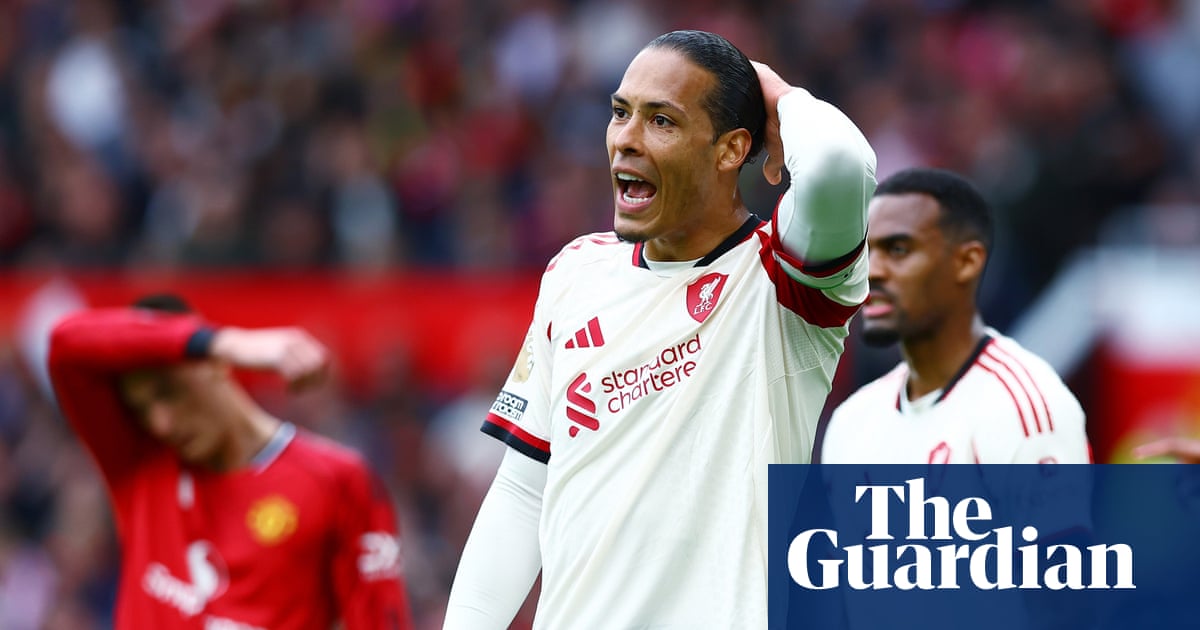
This is the story of a team falling off a cliff. The outgoing champions suffered an astonishing 18th defeat of the season. Arne Slot's team looked entirely broken by May, their high defensive line repeatedly exposed while the pressing was completely absent. The midfield offered zero protection.
Virgil van Dijk did not hide from the reality. Following their latest collapse, the captain admitted Liverpool need "a lot of work" behind the scenes this summer. He demanded players "take responsibility" to ensure a top-five finish. Wataru Endo and Alexis Mac Allister were overrun. The squad looks old, tired, and completely out of ideas.
1. The Looming 48-Team World Cup
Everything this season felt like a prelude to the summer. The upcoming FIFA World Cup in North America is dictating squad management. Players are exhausted before the tournament even begins, and national team managers are terrified of late-season injuries. The physical demands have never been higher.
The sheer volume of matches is unsustainable. The club season was a war of attrition, meaning the World Cup will test who has anything left in the tank. FIFA prioritized revenue over player welfare. The consequences will be on full display starting June 11. Football is asking too much of its athletes.
Honorable Mentions
Bayer Leverkusen's attempt to defend their title proved how difficult it is to maintain perfection. Aston Villa balancing European nights with domestic duties showed the strain of overachievement. The continued rise of women's football attendances globally provided a rare bright spot in a season dominated by administrative complaints and fixture congestion.