The Big Picture
Football is a game defined by split-second decisions and tectonic shifts. From the boardrooms of the 1990s to the humidity of a Belo Horizonte afternoon, these moments didn't just win trophies—they rewrote the script of the sport. We are looking at the instances where the path of history diverged, leaving us with the chaotic, beautiful, and occasionally cruel reality of the game today. As we approach the UCL semi-finals this Tuesday, it is worth remembering how quickly a legacy can be forged or forgotten.
10. Neil Warnock snubs Chelsea (1991)
In 1991, Neil Warnock was the hottest property in English management. He had just guided Notts County to back-to-back promotions, landing them in the First Division. Chelsea owner Ken Bates came calling, offering him the chance to lead a London giant. Warnock, fueled by a sense of loyalty that feels alien in the modern game, chose to stay in the East Midlands. It was a decision that changed his career trajectory and arguably the history of both clubs.
The aftermath was brutal. Notts County were relegated, and despite Warnock’s miracle work, the board turned on him. He was sacked in 1993, a move he says destroyed him at the time. As The Mirror reported, his loyalty wasn't reciprocated. Had he gone to Stamford Bridge, we might have seen his brand of football in the Premier League’s infancy with a massive budget. Instead, he became the king of the EFL, a specialist in grit rather than a manager of the elite.
9. David Beckham’s Red Card (1998)
The kick on Diego Simeone changed the mood of a nation overnight. Beckham went from the golden boy of Manchester United to a public enemy being burned in effigy outside London pubs. It wasn't just a red card; it was the birth of the modern celebrity footballer under fire. England crashed out on penalties, as they always did, but the fallout lasted for years. It was the ultimate test of character in the spotlight.
The backlash was disgusting in hindsight. People actually blamed one 23-year-old for the collective failure of Glen Hoddle's squad. Beckham’s redemption in 2001 with that free-kick against Greece is the fairytale ending, but the 1998 moment is the one that actually forged his legendary resilience. Without that red card, we do not get the hardened, defiant Beckham who won the Treble a year later. He learned that the fans who cheer you are the same ones who will hunt you.
8. The Miracle of Istanbul (2005)
AC Milan were 3-0 up at halftime and reportedly celebrating in the tunnel. Kaka, Crespo, and Shevchenko had torn Liverpool to shreds in forty-five minutes of footballing perfection. Then came the six minutes that broke the laws of probability. Steven Gerrard’s header, Vladimir Smicer’s long-range strike, and Xabi Alonso’s rebound turned a slaughter into a stalemate. It was the most improbable comeback in the history of the European Cup.
This ranks here because it proved that momentum is a physical force in football. Jerzy Dudek’s double save from Shevchenko in extra time was a glitch in the matrix. Milan were the better team in every department, yet they lost. It was a failure of mental fortitude from one of the greatest rosters ever assembled. Liverpool didn't just win a trophy; they created a myth that they still trade on today. It remains the peak of Champions League drama.
7. Sol Campbell’s North London Switch (2001)
Moving from Spurs to Arsenal is one thing. Doing it on a free transfer after promising you’d stay is another level of chaos altogether. Campbell walked into a press conference where everyone expected a new signing like Richard Wright, only for the captain of Tottenham to sit down next to Arsene Wenger. The betrayal was so deep that "Judas" became his permanent nickname in half of London. It was a ruthless career move that redefined loyalty.
Spurs fans were left with a hole in their defense and their pride. Arsenal gained a literal "Invincible" who would go on to win two titles and two FA Cups. It was the moment that cemented the power shift in North London for a generation. It also highlighted a shift in the game: players were beginning to realize the immense power of the Bosman ruling. Campbell chose trophies over sentiment, and his medals prove he made the right call.
6. Eric Cantona’s Kung-Fu Kick (1995)
Footballers usually vent their frustration at the referee or the ball. In 1995, Eric Cantona decided to vent his at a Crystal Palace fan named Matthew Simmons. The image of the Frenchman launching himself over the advertising hoardings at Selhurst Park is the most jarring image in Premier League history. It wasn't a sporting moment; it was a criminal one that saw him banned for eight months. The collars were up, but the discipline was gone.
The "seagulls following the trawler" press conference that followed was just as weird. Manchester United lost the title to Blackburn Rovers that season because their talisman was sitting at home. People forget how close Cantona came to quitting English football entirely. Sir Alex Ferguson’s ability to talk him into staying is arguably his greatest managerial feat. Cantona returned, won the double, and retired as a god, but that kick remains his defining act of madness.
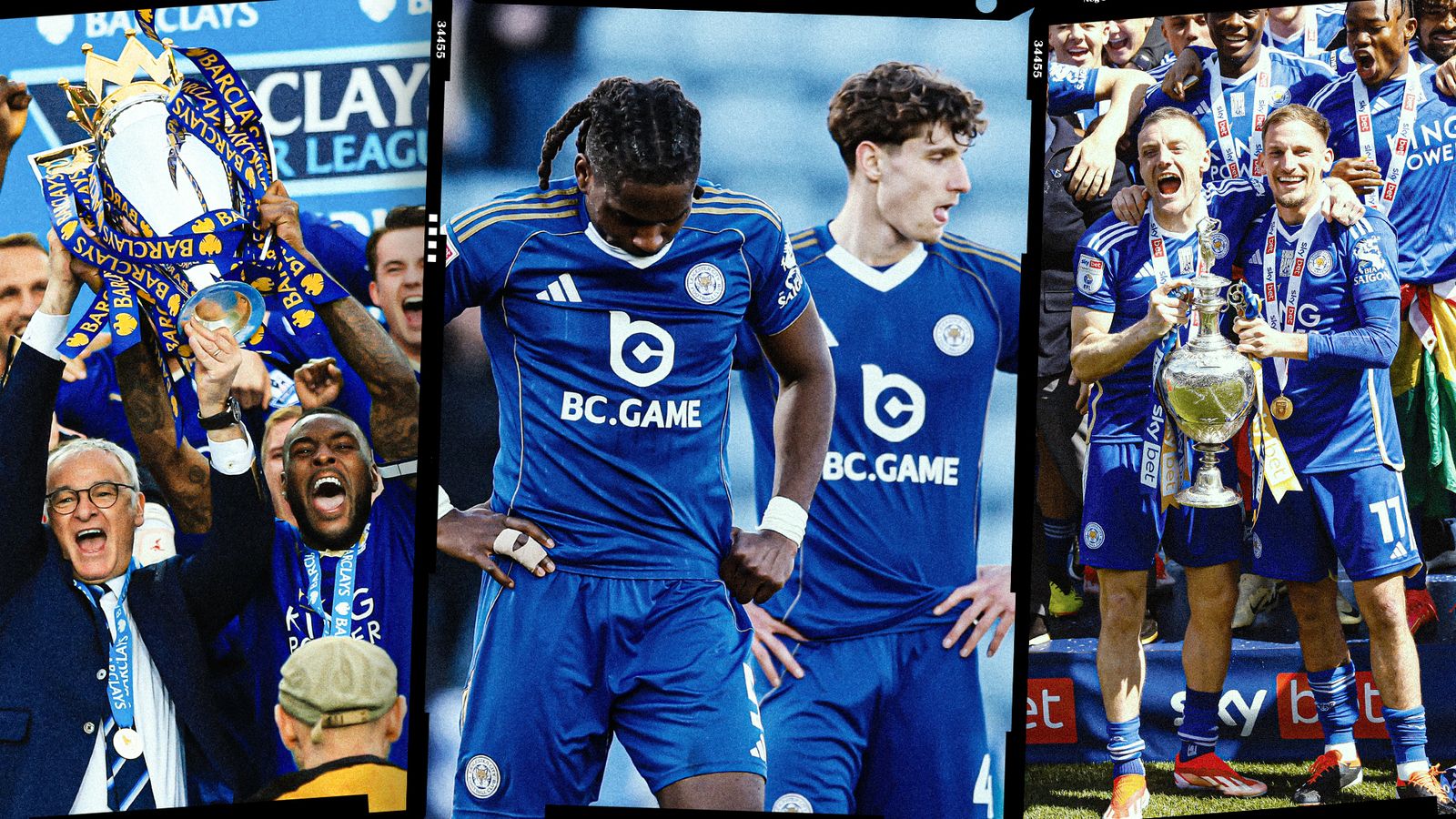
5. Leicester City’s 5000-1 Title (2016)
Statistically, this should never have happened. Bookmakers offered 5000-1 odds for a reason. Leicester were favorites for relegation, yet they ended the season ten points clear at the top. This wasn't a fluke over a weekend; it was a 38-game demolition of the established elite. N'Golo Kante, Jamie Vardy, and Riyad Mahrez became household names while the Big Six looked on in total confusion. It was the impossible dream realized.
The critical failure here belongs to the traditional powerhouses. Arsenal, Chelsea, and City all had nightmare campaigns, leaving the door open for Claudio Ranieri’s squad. It remains the only time in the modern era that the financial wall of the Premier League was truly breached. It gave every small club a hope that has, unfortunately, been systematically crushed by state-funded ownership in the years since. It was a once-in-a-lifetime anomaly.
4. Maradona’s 1986 Masterclass
In the span of four minutes against England, Diego Maradona showed the two halves of his soul. The "Hand of God" was a cynical, brilliant piece of cheating that still infuriates Peter Shilton forty years later. The "Goal of the Century" followed immediately after, a mazy run that left five English defenders questioning their life choices. It was the most concentrated dose of genius the World Cup has ever seen. One man beat a nation.
You cannot separate the two goals. One showed his street-smart cunning, the other his divine talent. He dragged an average Argentina side to the trophy through sheer force of will. While Pele won more, Maradona’s 1986 performance is the peak of individual influence on a team sport. It also turned him into a religious figure in Naples and Buenos Aires, for better or worse. He was the flawed king of the pitch.
3. Aguero’s 93:20 Title Winner (2012)
Manchester City were seconds away from failing in the most spectacular fashion possible. They were losing at home to ten-man QPR, while Manchester United had finished their game at Sunderland and were ready to celebrate another title. Then Edin Dzeko equalized. Then came the pass from Mario Balotelli—his only assist in the Premier League—and Sergio Aguero’s touch and finish in the 93:20 mark. The clock stopped, and history started.
The roar that erupted at the Etihad wasn't just for a goal; it was for the birth of a new dynasty. It is the most dramatic finish to a season in any major league, ever. United players were on the pitch at the Stadium of Light, their faces dropping as the news filtered through. It shifted the power balance of Manchester in a way that hasn't been corrected since. If Aguero misses that, the history of the last decade looks completely different.
2. Zidane’s World Cup Final Headbutt (2006)
Zinedine Zidane was the greatest player of his generation, and the 2006 final was supposed to be his coronation. He had scored a panenka penalty earlier in the game. He was bossing the midfield. Then, in the 110th minute, he drove his forehead into Marco Materazzi’s chest. The red card was inevitable, and the image of Zidane walking past the World Cup trophy on his way to the dressing room is haunting. It was a brutal exit.
It was a moment of pure, inexplicable ego. Zidane let his teammates down and arguably cost France the title, as they lost on penalties without their best taker. People still debate what Materazzi said, but it doesn't matter. For a player defined by elegance and poise to go out like a common thug was a shock to the system. It was the ultimate tragedy end to a legendary career. He traded glory for a moment of red mist.
1. Germany 7-1 Brazil (2014)
This wasn't just a football match; it was a national trauma. Brazil were hosting the World Cup, expecting to wash away the ghosts of 1950. Instead, they were 5-0 down after 29 minutes. The camera shots of Brazilian children crying in the stands while Miroslav Klose broke the all-time scoring record were surreal. It felt like a video game glitching in real time. The final 7-1 scoreline was an execution.
Germany were a machine, but Brazil were a shambles. The absence of Neymar and Thiago Silva shouldn't have led to a total collapse of professional standards. David Luiz’s performance that night was perhaps the worst individual defensive display in the history of the tournament. It was a humiliation that can never be erased. It changed how we view Brazilian football—stripping away the myth and replacing it with the cold reality of tactical inferiority. It is the most shocking result in history.
Honorable Mentions
The 1958 debut of Pele changed the sport's global profile forever. Greece winning Euro 2004 proved that defensive discipline can overcome any amount of flair. Finally, Lionel Messi lifting the World Cup in 2022 felt like the closing of a chapter for the greatest to ever play. Each of these could have made the list, but they lack the pure, world-stopping shock of our top ten entries. Football moves fast, and these moments are why we keep watching.
Read Next