The Big Picture
Celtic sit three points off the summit as of April 14, 2026, with the post-split fixtures looming like a firing squad. On paper, a one-game swing is nothing, yet the mood around Parkhead is nearing a total collapse of confidence. Chris Sutton has seen enough to call the race over, and his assessment isn't just punditry—it is a autopsy of a season that has drifted away from Brendan Rodgers since the turn of the year.
10. The January Recruitment Paralysis
While Rangers were active in the winter market to shore up their spine, Celtic sat on a mountain of cash and failed to deliver a single needle-moving starter. They needed a physical presence in the middle and a specialist left-back to replace the aging Greg Taylor, but instead, they settled for project players who haven't seen 180 minutes of combined football. This lack of ambition is why this entry starts the list; it wasn't a tactical failure on the pitch, but a boardroom surrender that signaled the club felt they could coast to a title. Sutton has been vocal about this passivity being the root of the current malaise. It ranks lower only because the players on the pitch still had enough quality to win, but the lack of fresh energy eventually caught up with them.
9. The Set-Piece Disaster at Tynecastle
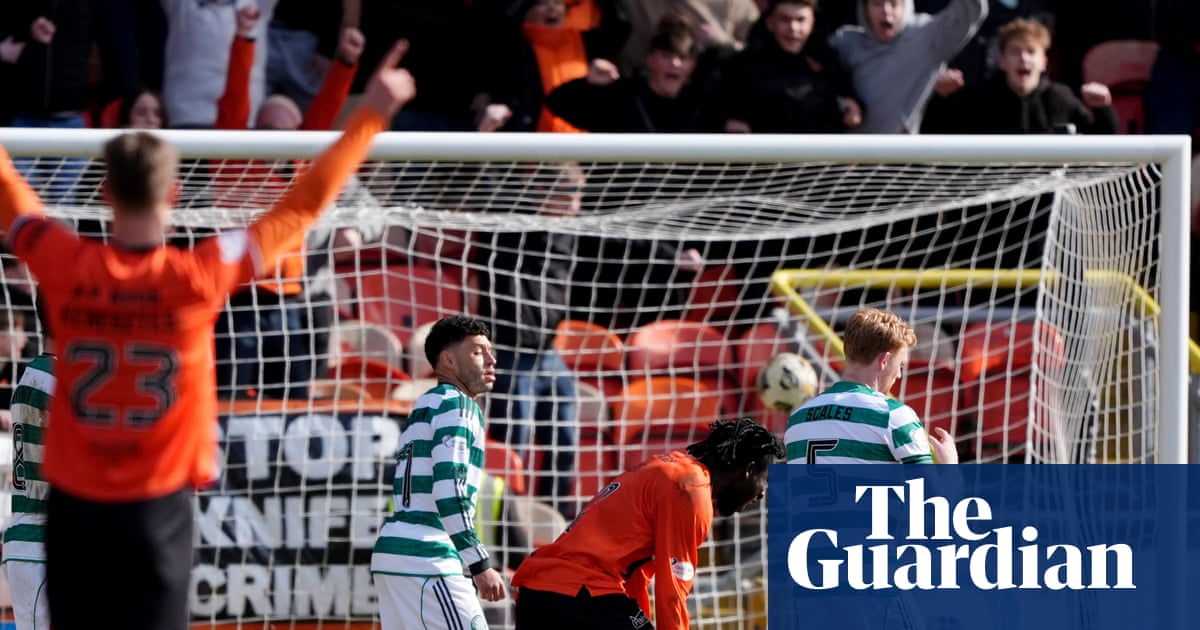
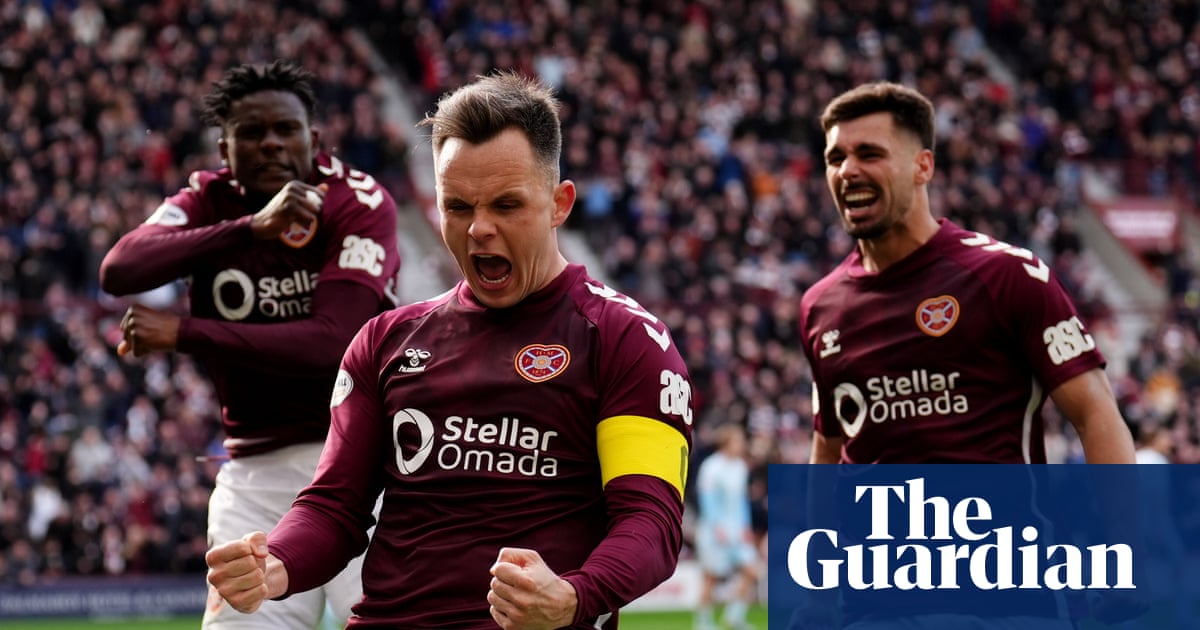
Defending corners has become a recurring nightmare for this Celtic side, and the 2-1 loss at Hearts in February exposed the structural rot. Conceding from a routine delivery in the 87th minute wasn't just bad luck; it was a lack of leadership and basic organization in the six-yard box. This moment matters because it proved to the rest of the league that Celtic could be bullied if you just stayed in the game long enough to win a corner. Hearts didn't even play well that day, they simply waited for the inevitable defensive lapse that has defined the Rodgers era. It ranks here because it was the first time the fans truly turned, realizing the defensive unit was fundamentally broken.
8. Kyogo Furuhashi’s Vanishing Act
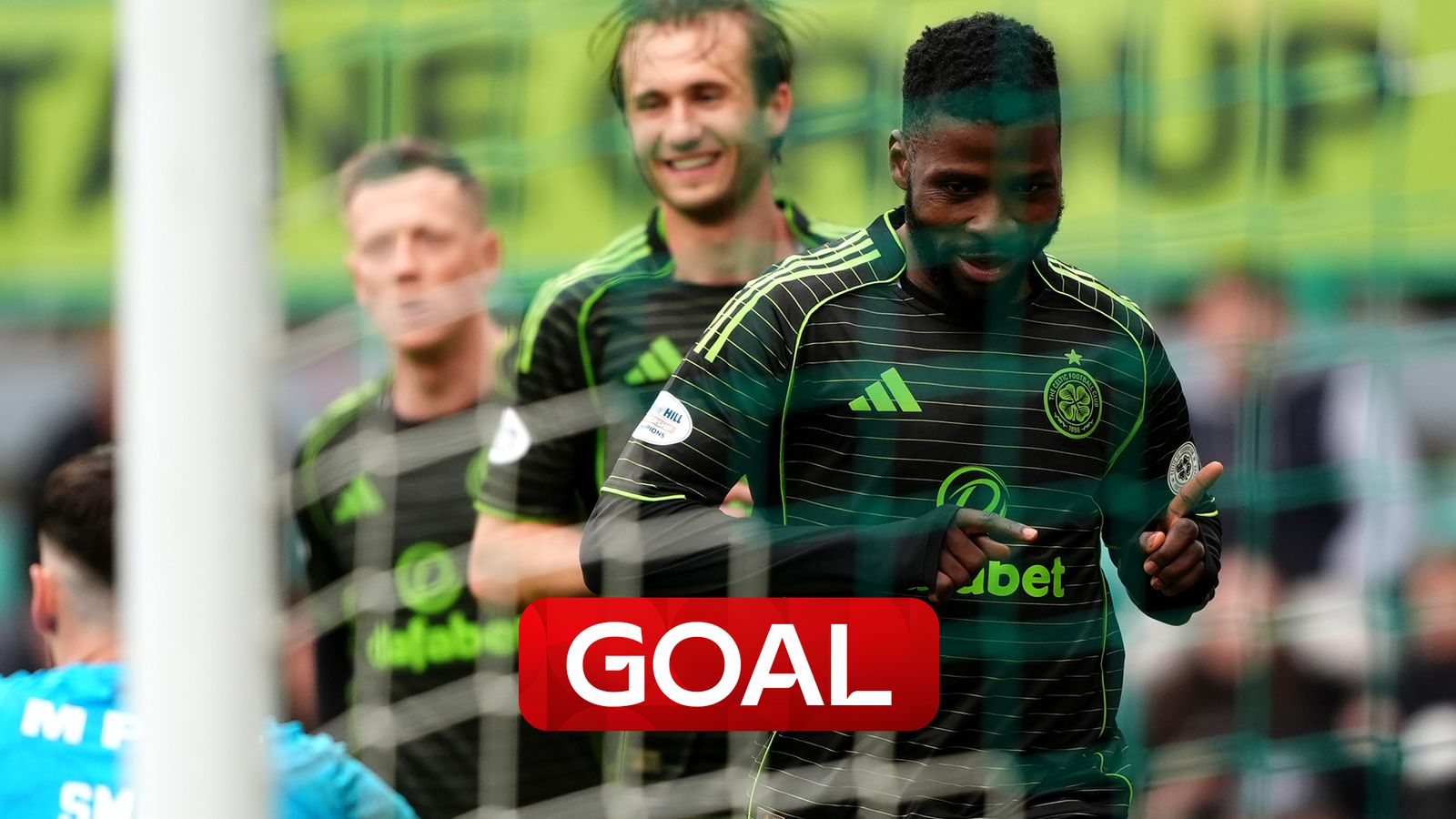
The Japanese striker is a shadow of the player who terrorized defenses under the previous regime, and his goal drought through March was a crushing blow. The system under Rodgers requires the striker to play with his back to goal more often, which completely neutralizes Kyogo’s elite movement on the shoulder of the last man. When your primary goal threat goes four games without a shot on target, your title hopes are on life support. This ranks above the Tynecastle loss because defensive errors can be masked by outscoring the opposition, but when the attack goes cold, there is no safety net. It is a damning indictment of the tactical shift that has prioritized possession over penetration.
7. The Loss of Cameron Carter-Vickers
Losing your best defender during the most congested part of the schedule is a disaster for any team, but for Celtic, it was a terminal blow. Without Carter-Vickers to organize the high line, the back four looked porous and hesitant, leading to a string of dropped points against bottom-six opposition. The American’s absence highlighted how poorly the recruitment team has handled the center-back depth over the last three windows. This moment ranks at seven because it was an injury, which is partly down to luck, but the failure to have a competent backup ready is a man-made error. The drop in win percentage without him is a staggering 22 percent difference.
6. Rangers’ Tactical Evolution at Ibrox
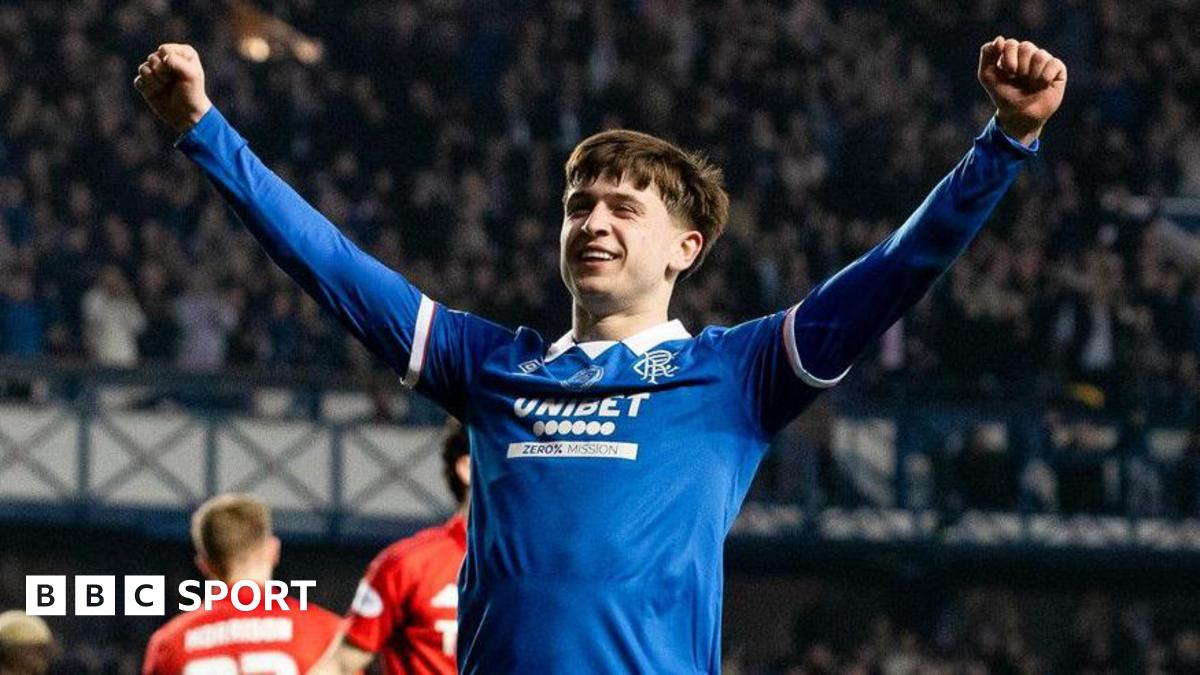
You cannot discuss Celtic's decline without acknowledging the resurgence across the city. Rangers found a level of consistency and defensive rigidity that Celtic simply cannot match right now, winning 10 of their last 11 league matches. While Celtic were dropping points at home to Kilmarnock, Rangers were grinding out 1-0 wins that build championship momentum. This matters because the pressure of a chasing pack that doesn't blink eventually causes the leaders to crack. It ranks higher than individual Celtic failures because it changed the math of the season; three points feels like ten when the team above you looks invincible. This is the structural reality that Sutton is referencing when he looks at the table.
5. The Stagnant Draw at Pittodrie
A 0-0 draw in early March was the moment the "fear factor" officially evaporated. Celtic had 70% possession but failed to register a single big chance, passing the ball sideways across the midfield like a team afraid to take a risk. Aberdeen didn't even have to park the bus; they just stayed compact and watched Celtic beat themselves with a lack of imagination. This entry ranks in the top five because it was the ultimate proof that Rodgers-ball has become predictable and toothless. It wasn't a loss, but it felt worse than one because there was no sign of a plan B or a tactical adjustment to break the deadlock.
4. The Midfield Identity Crisis
Callum McGregor has been asked to do the work of three men this season, and the physical toll is finally showing on the Celtic captain. The balance in the middle of the park has been non-existent, with Reo Hatate’s fitness issues leaving a creative void that Matt O'Riley cannot fill alone. When McGregor is stifled, the entire team grinds to a halt, and opponents have figured out that shadowing him for 90 minutes kills the Celtic build-up. This ranks at number four because it is a systemic failure of the manager to adapt. Relying on a 32-year-old to play every minute of every competition is a recipe for the burnout we are seeing now in the season's home stretch.
3. The March Derby Defeat
Losing the head-to-head battle at Ibrox was the definitive shift in power. Celtic went into that game needing to make a statement, but instead, they were tactically outclassed from the first whistle and lacked the stomach for a fight. A 2-0 defeat didn't just cost three points; it broke the psychological hold Celtic had over their rivals for the better part of a decade. This ranks in the top three because in Glasgow, the derbies are the only games that truly measure the health of a squad. To lose so convincingly in a high-stakes environment showed a team that had lost its identity and its nerve. It was the moment the league title changed hands in everything but name.
2. The Sutton Verdict on BBC Scotland
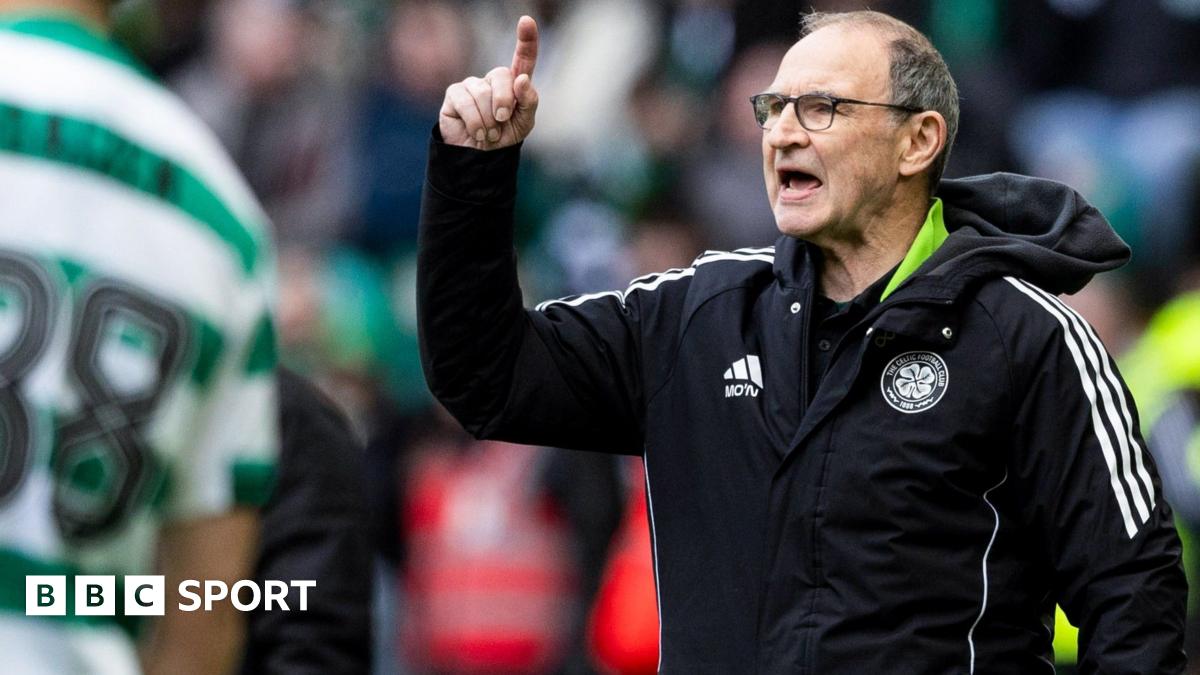
When a club legend and former captain publicly rules the team out of the race, the internal pressure becomes unbearable. BBC Scotland dissects the former Celtic striker's reasons and finds a compelling case for why this season is beyond saving. Sutton isn't just looking at the points; he is looking at the lack of fight, the tactical rigidity, and the failure of the recruitment staff to support the manager. This moment ranks at number two because it shifted the narrative from a "title race" to a "managerial crisis" in the eyes of the supporters. It forced the board and the fans to confront the reality that the current path is leading toward a trophyless season. It was the final nail in the coffin of optimism.
1. The Collapse of the Parkhead Invincibility
The most significant moment of this season isn't a single goal, but the death of the aura at Celtic Park. Dropping points at home to teams with a fraction of their budget has become the norm rather than the exception in 2026. Teams no longer show up at Paradise expecting to lose by four; they show up expecting to leave with a point, and they are usually right. This ranks at number one because it is the hardest thing to rebuild in football. Once the home crowd turns and the opposition stops fearing the atmosphere, the advantage of a 60,000-seat stadium becomes a burden. This atmospheric shift is the primary reason why Celtic find themselves looking up at the top of the table with only weeks remaining.
Honorable Mentions
While they didn't make the top 10, several other factors have contributed to the current state of affairs. Reo Hatate’s recurring hamstring issues robbed the midfield of its only true dynamic engine during the crucial winter period. The regression of the wingers—specifically the inability of Luis Palma to beat a man on the outside—has made the team far too narrow and easy to defend against. Finally, the vocal protests from the North Curve have created a fractured atmosphere at home games that has clearly impacted the younger players in the squad. It is a perfect storm of failure that started in the boardroom and ended on the pitch.
Read Next
- Mikel Arteta is running out of time to deliver a major trophy at Arsenal
- Arsenal hit the panic button before the City decider
- Rangers found their enforcer and Scotland's midfield finally matured
- Nico Raskin has turned his Rangers career around just in time for the summer window
- ⚽ Scottish Premiership 2025-26 — Celtic vs Rangers Hub