The Big Picture
Modern football has officially moved past the era of the brand ambassador. We are now witnessing the founder stage of the elite athlete's lifecycle, where the world's best aren't content with kit deals or retirement tours in the desert. Lionel Messi’s shock acquisition of a club in 2026 confirms that the top tier of talent no longer wants to work for the machine — they want to own it.
The Pioneer Era
10. Paolo Maldini: The Miami Precursor
Paolo Maldini’s foray into club ownership in 2015 felt like a strange pivot for a Milan legend. Partnering with Riccardo Silva, the defender launched Miami FC into the NASL, effectively trying to stake a claim in Florida before the MLS expansion arrived. It was a play for the demographic heart of American soccer, but the timing was flawed. While the club survived the NASL collapse and moved through the USL, it never achieved the cultural footprint Maldini’s name suggested. The lack of a soccer-specific stadium in those early years hampered growth. It remains a reminder that even the greatest names cannot simply wish a fanbase into existence without a top-tier league structure.
9. Eden Hazard & Demba Ba: The San Diego Experiment
In 2017, Eden Hazard and Demba Ba joined a group to found San Diego 1904 FC. This was at the height of Hazard’s powers at Chelsea, marking a rare moment where an active Premier League superstar was signing off on lower-league expansion checks. The project was ambitious, aiming to capitalize on the youth soccer hotbed of Southern California. However, the club was plagued by league instability and stadium delays that eventually saw it fold into other entities. It ranks low because it was more of a financial investment than a cultural shift. The project lacked a clear identity beyond the celebrity names on the letterhead. It proved that passive ownership from active players often results in drift.
8. Gerard Piqué: The Andorra Transformation
Gerard Piqué didn't just buy a club; he bought a country's footballing future. In 2018, his Kosmos Holding took over FC Andorra when they were languishing in the fifth tier of the Spanish pyramid. He utilized his connections to overhaul the scouting and management, leading the side to an unprecedented rise into the Segunda División. This was a clinical, data-driven takeover that mirrored his own business-first persona. However, the move has been shadowed by constant friction with the local government over stadium facilities. Critics argue that the club is a plastic entity that lacks local roots, serving only as a laboratory for Piqué’s tactical and commercial ideas. It is successful, but it feels sterile.
The Cultural Shifters
7. Zlatan Ibrahimović: The Hammarby Betrayal
Zlatan Ibrahimović does nothing without causing a riot. When he bought a 23.5% stake in Hammarby IF in 2019, he didn't just invest in a Swedish club; he declared war on his hometown of Malmö. The move was a calculated play to build a business empire in Stockholm, but it ignored the tribal nature of European football. Malmö fans responded by decapitating his statue and burning his effigy in the streets. From a business perspective, the move worked, as Hammarby’s commercial value spiked. However, the cost was the total destruction of his legacy at the club that raised him. It was a cold-blooded reminder that ownership is often a middle finger to the fans who made you a legend.
6. Kylian Mbappé: The Caen Acquisition
At just 25 years old, Kylian Mbappé became one of the youngest owners in European history by acquiring an 80% stake in SM Caen. This was not a retirement plan; it was a statement of power within the French market. While he was negotiating his exit from PSG, he was simultaneously securing a foothold in Ligue 2. The move was designed to keep his influence high in his home country while he moved to Madrid. The downside is the immense pressure it puts on a club that has historically struggled with financial stability. If Caen fails to achieve promotion within two seasons, the investment becomes a heavy anchor. It is a high-stakes gamble that hinges on his ability to attract sponsors to a second-division side.
5. Didier Drogba: The Phoenix Rising Play
Didier Drogba was the first true "player-owner" of the modern US expansion era. Joining Phoenix Rising in 2017 as both a striker and a shareholder, he brought immediate global relevance to the USL. He wasn't just there to collect a check; he scored the goals that took them to championships. This move showed the blueprint for how an aging legend could transition into the front office while still wearing the captain's armband. The critical failure here remains the club’s inability to secure an MLS expansion spot despite several strong bids. While Phoenix became a USL powerhouse, it never broke into the top flight. It is a success story with a distinct ceiling.
The Heavyweights
4. The Class of '92: The Salford City Surge
Gary Neville, Ryan Giggs, Paul Scholes, Nicky Butt, and Phil Neville buying Salford City in 2014 was a seismic event for the English lower leagues. They took a club from the eighth tier to League Two in just five years. This was ownership as a content engine, documented through TV series and endless media coverage. They used their Sky Sports platforms to keep Salford in the national conversation. The negative side is the persistent claim of "financial doping" from rival fans who hate their spending power. The club has struggled to move past League Two, suggesting that throwing money at a project only works up to a certain level of the pyramid. It is a great story that has hit a very expensive wall.
3. Ronaldo Nazário: The Cruzeiro and Valladolid Empire
Ronaldo is perhaps the most serious "operator" on this list. He didn't just buy stakes; he took full control of Real Valladolid and his boyhood club, Cruzeiro. He implemented strict austerity measures to save Cruzeiro from total financial collapse, proving he had the stomach for unpopular decisions. He eventually sold his stake in the Brazilian side in 2024 after years of protests from fans who wanted more spending. Ronaldo’s tenure showed that owning a club is often about being the villain. He prioritized spreadsheets over sentiment, which kept the clubs solvent but the supporters angry. He is the first player to treat ownership like a private equity firm rather than a hobby.
2. David Beckham: The Inter Miami Blueprint
The $25 million expansion fee option in Beckham’s original 2007 Galaxy contract is the greatest ROI in sports history. He exercised it to found Inter Miami, a move that changed the entire trajectory of MLS. Beckham didn't just build a team; he built a brand that could attract Messi, Suarez, and Busquets. He survived years of stadium legal battles and a messy launch that included roster rule violations and fines. The early years were a disaster on the pitch, proving that fame doesn't fix a bad midfield. However, his persistence created the only platform in America that could truly house a global icon. He is the undisputed king of the boardroom transition.
1. Lionel Messi: The 2026 Shock Buyout
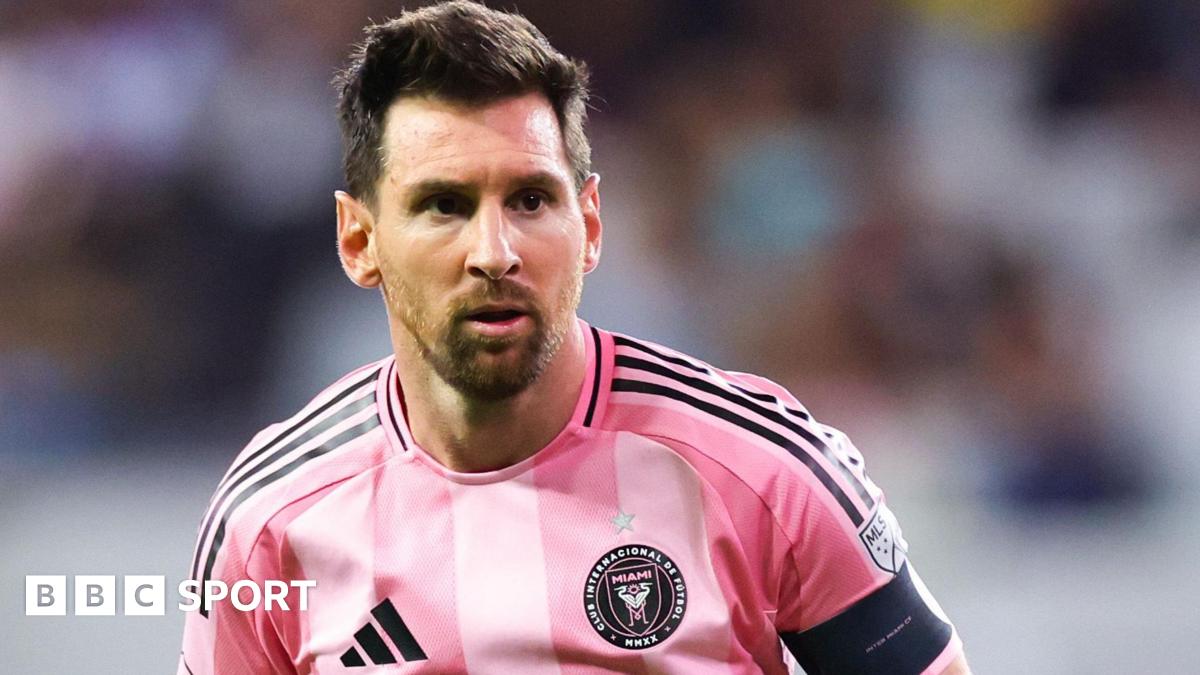
As The Mirror reported today, Lionel Messi has officially followed Beckham’s lead by acquiring his own club. This is the ultimate power move because it happens while the world is still debating his GOAT status. The Inter Miami star is no longer just a player; he is a competitor to the very owners who pay his wages. The conflict of interest is staggering and will likely force MLS to rewrite its entire constitution. While the exact club name is being withheld for a formal gala, the implications are clear. Messi has moved from being a participant in the game to being a stakeholder in the industry. It is a ruthless, calculated expansion of his brand that makes his previous contracts look like minor league deals. This is the moment the player finally became the master.
Honorable Mentions
We have to mention Thomas Müller’s recent moves in the German equestrian and sporting world, which hint at a similar path. Also, the various minority stakes held by LeBron James in Liverpool and Giannis Antetokounmo in Nashville SC deserve credit, even if they lack the direct operational control seen in our top ten. The trend is clear: the next generation of superstars will be judged as much by their portfolio as their trophy cabinet.