The Big Picture
Football is a game of narratives as much as goals. When the pressure peaks, the mask slips, and the clapback becomes the definitive way to seal a victory or deflect a defeat. These moments aren't just about ego; they are about control in a sport where the media can flip a script in ninety minutes.
The Digital Frontline: Modern Clapbacks
The rise of social media has turned every player and presenter into their own PR agency. We saw this yesterday, May 19, 2026, when North London finally erupted after a 22 years wait for a title. The instant reaction from critics proved that even winning isn't enough to satisfy the noise.
1. Laura Woods vs. the 'Worst Champions' Narrative
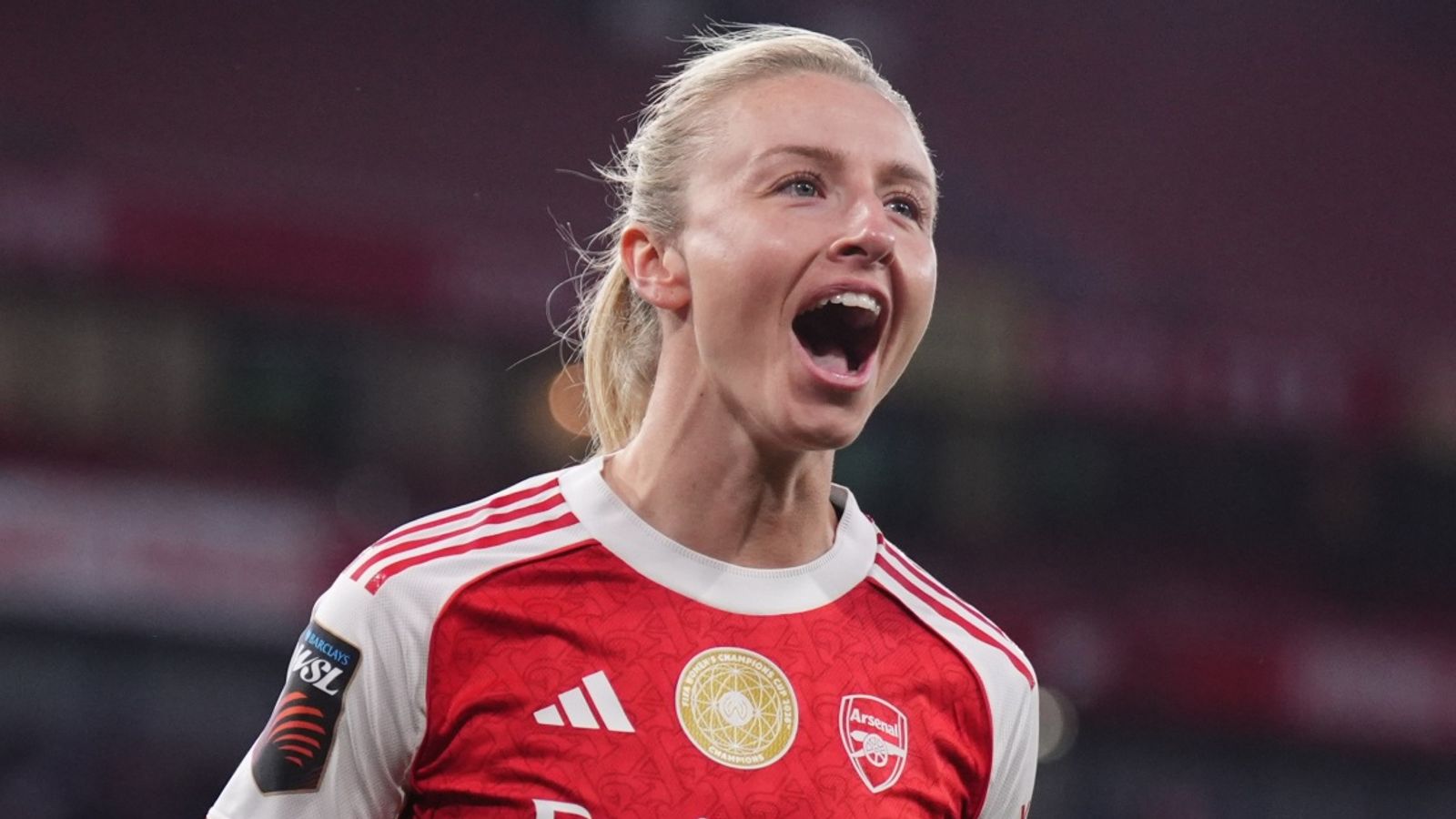
As The Mirror reported, Arsenal fan Laura Woods didn't let the champagne dry before hitting back at trolls. Rival fans began trending a theory that this 2026 Arsenal side is the weakest to ever win the Premier League. Woods responded with a lethal four-word message: 'Still won it though.' It was a masterclass in brevity that rendered a thousand bad-faith tactical analyses irrelevant.
This matters because it highlights the bitterness of the current era. Arsenal finished the season with 94 points, yet the conversation was immediately hijacked by those trying to diminish the achievement. Woods has a unique ability to bridge the gap between fan tribalism and professional broadcasting. Her refusal to stay 'objective' when faced with obvious bait is why she remains a top-tier media figure.
2. Bruno Fernandes vs. Roy Keane’s 'Circus Act'
Earlier today, May 20, 2026, Bruno Fernandes finally snapped back at years of television criticism. Roy Keane recently labeled the United captain a 'circus act' following a string of frustrated performances in the run-up to the summer break. According to Metro UK, Fernandes pointed out that pundits are paid to talk, while he is paid to lead a transition. It was a cold, calculated retort from a player who has clearly grown tired of being the scapegoat for structural issues at Old Trafford.
The timing is significant as United prepares for a massive summer overhaul. By standing up to the club’s most fearsome legend, Fernandes is attempting to reclaim the locker room’s dignity. It remains a risky move, as Keane rarely loses a war of words. However, the Portuguese midfielder argued that former players often forget the intensity of the modern game’s schedule. It is the first time we have seen him drop the 'happy to be here' facade for something more combative.
3. Jose Mourinho’s 'Respect, Respect, Respect'
After a 3-0 loss to Tottenham in 2018, Mourinho delivered the ultimate statistical clapback. He held up three fingers to reporters, representing the three Premier League titles he had won. He demanded 'respect' in a way that felt like a funeral for his relationship with the English press. It was theatrical, arrogant, and undeniably memorable.
This ranks high because it defined the 'Siege Mentality' Mourinho spent his career building. Critics argued he was finished, and his response was to weaponize his past achievements. He wasn't defending the game he just lost; he was defending his entire legacy. While it didn't save his job at United, it provided the blueprint for every manager who feels cornered by the media.
The Legends of the Rant
Some clapbacks happen in the heat of a title race, where the psychological stakes are higher than the points on the board. These are the moments where legends are made—or broken—by a single sentence under the bright lights of a post-match interview.
4. Kevin Keegan’s 'I Would Love It' Speech
In 1996, Sir Alex Ferguson played Kevin Keegan like a fiddle. After Ferguson suggested teams might not try as hard against Newcastle, Keegan exploded on live television. 'I will love it if we beat them, love it,' he shouted, his voice cracking with pure emotion. It was the most honest moment in the history of the league, and it signaled the exact moment Newcastle’s title charge collapsed.
It takes the number four spot because it is the cautionary tale of firing back. Sometimes, responding to your rival proves they have already won the mental battle. Keegan was a man of immense passion, but he lacked Ferguson's icy composure. He spoke for every fan who felt the world was against them, but he did so at the cost of his team's focus. The 'mind games' era started right here.
5. Zlatan Ibrahimovic vs. The Entire MLS
When Zlatan moved to Los Angeles, he didn't join the league; he allowed the league to exist in his presence. When a reporter asked him about being the best player in MLS, he famously compared himself to a Ferrari among Fiats. He didn't just fire back at the question; he fired back at the entire continent's level of play. He then went out and scored a 40-yard volley on his debut to prove it.
Zlatan is the rare athlete whose clapbacks are backed by zero goals of doubt in his own mind. Most players who talk this way are eventually humbled by the game. Ibrahimovic used his arrogance as a shield and a sword. He made it impossible to mock him because he had already mocked you first. It was a masterclass in branding through confrontation.
6. Pep Guardiola vs. The 115 Charges
Guardiola’s press conferences have become increasingly prickly as the legal cloud over Manchester City grows. In early 2024, he sat before the media and listed the legends who had never won what he had, essentially telling the press to mind their business. He didn't deny the charges; he just made the reporters feel small for asking about them. It was a defensive masterclass without a ball in sight.
The genius of Pep's clapback is the redirection. He turns a question about financial irregulars into a question about his players' hard work. By doing so, he forces the critic to either attack the players or drop the subject. It is a cynical but effective way to protect the 'sporting' side of the club. With the UCL Final only eight days away, expect this defensive rhetoric to ramp up again.
7. Jamie Carragher vs. Richarlison
This was a modern feud that played out in the commentary box and on Twitter. Carragher criticized the Brazilian's theatrics, and Richarlison replied by telling the Liverpool legend to 'wash your mouth' before talking about him. Carragher didn't back down, later mocking the striker's goal output compared to his own yellow card count. It was a rare instance of a pundit and a current player going 'toe-to-toe' in the public square.
This matters because it broke the 'third wall' of sports media. Usually, players ignore the talking heads to stay professional. Richarlison’s refusal to play the game showed a new level of athlete empowerment. It also showed that Carragher, despite his status, still has the thin skin of a local rival. It was messy, unprofessional, and exactly what the fans wanted to see.
The Long Game: Revenge Served Cold
The final entries on our list involve clapbacks that took years to develop. These are the deep-seated rivalries where a single comment is stored away until the perfect moment for a public execution.
8. Eric Cantona and the 'Seagulls' Speech
After being banned for kung-fu kicking a fan, the world expected an apology. Instead, Cantona sat in a room of reporters, took a sip of water, and spoke about seagulls following the trawler. He was firing back at the media's obsession with his personal life. He didn't give them the satisfaction of a quote they could use; he gave them a riddle that made them look like idiots.
Cantona understood that the press are predators. If you give them a 'sorry,' they will ask why you weren't 'sorrier.' By giving them nonsense, he maintained his mystique and his power. It remains the most 'Information-style' clapback in history—high signal for his fans, zero data for his enemies. He left the room, and the reporters were left with nothing but their own confusion.
9. Marcus Rashford’s 'Commitment' Letter
Following a dip in form and a controversial night out in Belfast, Rashford took to The Player's Tribune to fire back at his critics. He didn't just address his form; he attacked the 'narrative' that he doesn't care about the club. He used his upbringing and his work for the community as a shield against footballing criticism. It was a polarizing move that divided the fan base.
The critical observation here is that this clapback felt like a PR pivot rather than a genuine response. While his points about his childhood were valid, they didn't explain the zero goals in ten games at the time. It was a sophisticated way to change the subject, showing how modern players use long-form content to bypass the traditional media. It was effective, but it felt managed by a team of consultants.
10. Rafa Benitez’s 'Facts' Speech
In 2009, Rafa Benitez pulled out a piece of paper and proceeded to list 'facts' about how Sir Alex Ferguson was treated differently by referees. It was a premeditated attempt to fire back at United's dominance. Benitez thought he was being logical and professional, but the world saw a man who had finally lost his mind under the pressure of a title race. It is the gold standard for 'firing back' gone wrong.
It ranks tenth because it is a masterpiece of unintentional comedy. Benitez was right about many of the 'facts,' but his delivery was that of a man obsessed. He fell right into the trap Ferguson had set for him months earlier. It remains a reminder that in the Premier League, being right is often less important than being cool. Benitez was right, but he lost the league anyway.
Honorable Mentions
We can't ignore Roy Keane’s 2002 Saipan exit, where he told Mick McCarthy exactly where to stick the World Cup. There is also Kylian Mbappe’s silent treatment of Emi Martinez after the 2022 final, which was a clapback through sheer indifference. Finally, there is the 1996 classic of Alan Shearer choosing Newcastle over United, a move that served as a permanent 'fire back' to the idea that everyone has a price for trophies.
The lesson from these ten entries is simple: if you're going to fire back, you'd better win the next game. Laura Woods and Arsenal have the luxury of the trophy today. Bruno Fernandes, however, is still playing for his. In the world of elite football, the last word is always written on the scoreboard, not the social media feed.