The Big Picture
Woking FC sits at a fascinating intersection of non-league grit and high-profile ambition. As the club enters the latest phase of its project, the move to bring in a former Premier League star signaled a deliberate shift in strategy, aiming to bridge the gap between regional obscurity and national relevance.
The Rankings
1. The Jermain Defoe Appointment
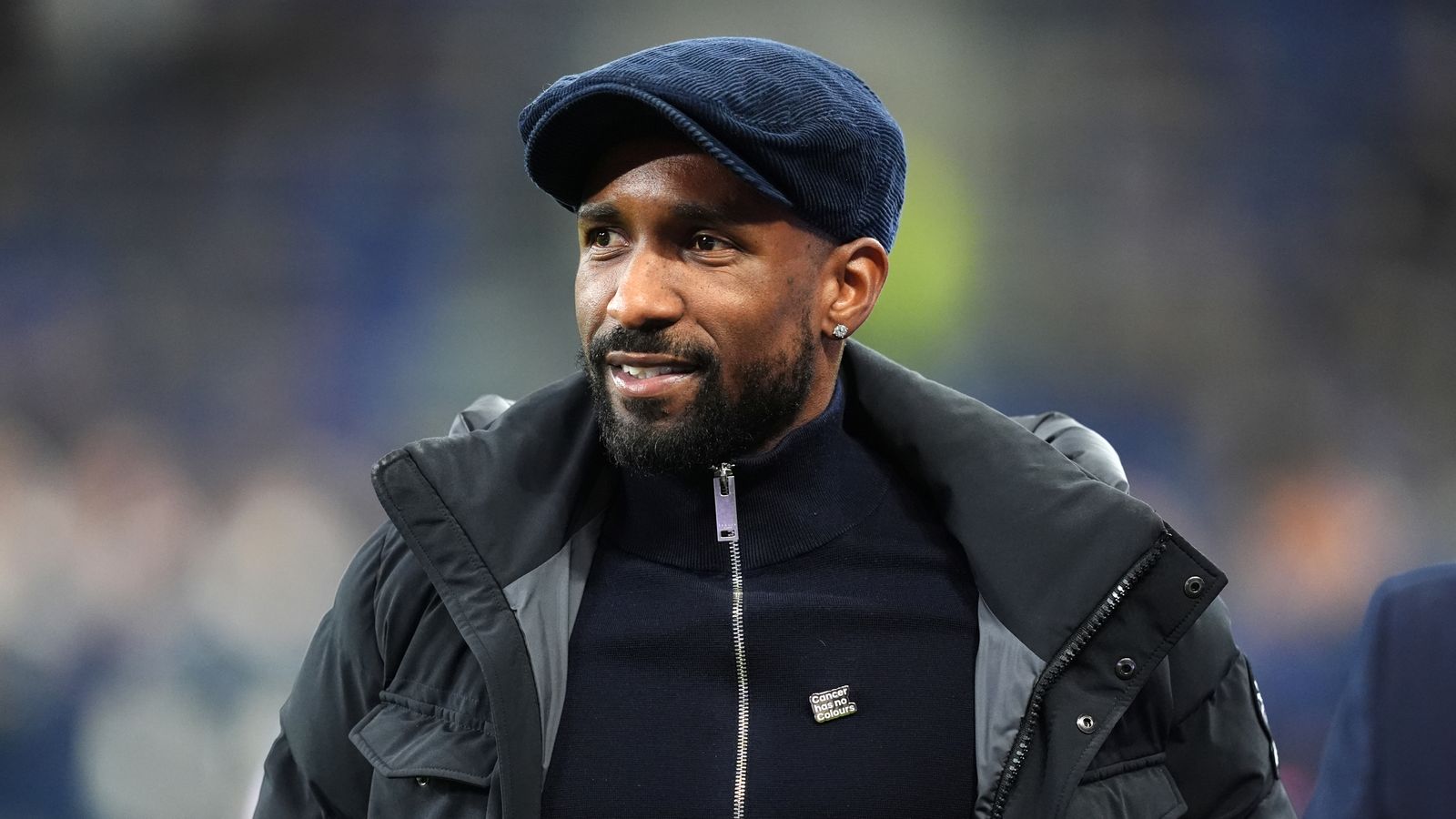
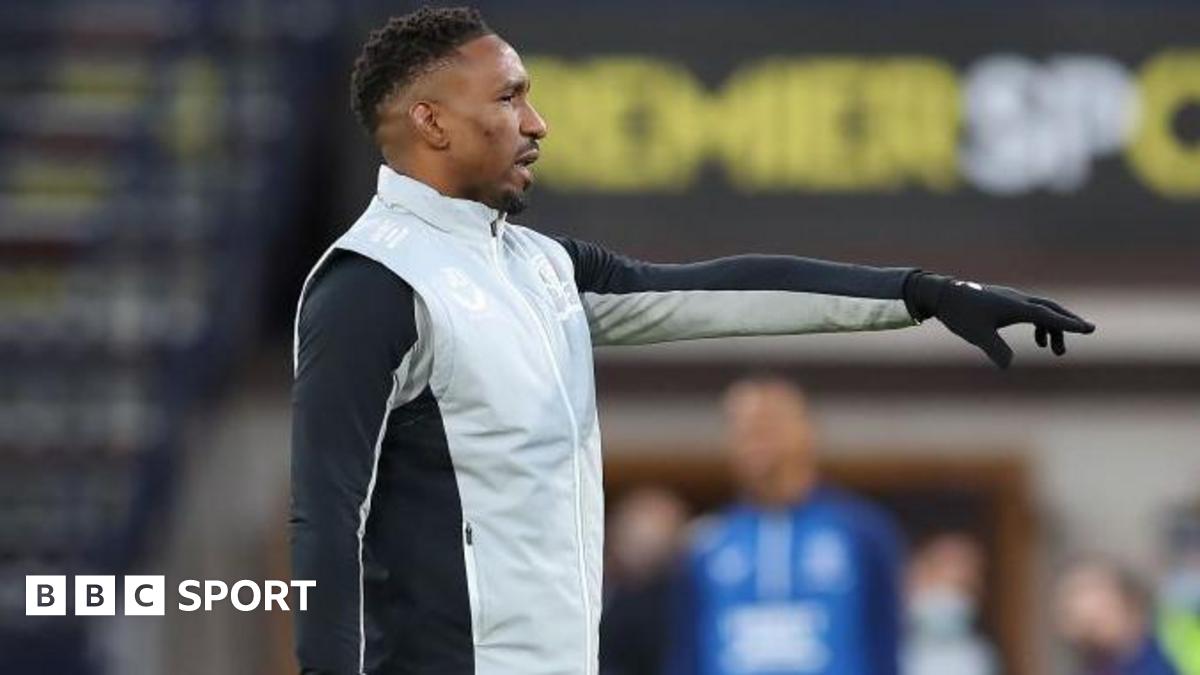
Securing a striker with a pedigree that includes 163 Premier League goals is, frankly, the biggest coup in the club's recent history. Defoe brings instant credibility to the dugout, forcing regional rivals to take notice of a team that typically flies under the radar. As The Mirror reported, the former England international accepts the humility required to start in the non-league ranks. He sits at the top spot because no other hire could have generated this volume of interest.
2. The Harry Redknapp Endowment
When a manager of Harry Redknapp’s standing publicly suggests you will be brilliant at management, it carries weight. His endorsement of Defoe’s move to Woking serves as a tacit vote of confidence for the club's entire direction. According to Sky Sports coverage, the veteran coach views this as a calculated risk rather than a vanity project. It ranks second because external validation keeps the pressure on the board to provide the proper resources.
3. The Non-League Grind Factor
Managing in the National League is fundamentally different from a plush Premier League academy role. It requires long bus rides, physical pitches, and a salary cap reality that often defies tactical logic. Defoe taking this path proves he is not looking for a shortcut to the top. This grit factor is why the fanbase is currently rallying behind the appointment despite the obvious volatility.
4. Stadium Infrastructure
Laithwaite Community Stadium provides the backdrop for everything Woking attempts to achieve. While not the largest in the division, it features an intimate environment that creates a genuine home-field advantage on Tuesday nights. If the club wants to move up the pyramid, developing this space remains a priority. It ranks fourth because it is the physical manifestation of the club's current ceiling.
5. The Financial Gamble
Hiring a high-profile manager comes with an implied expectation of investment. If Woking fails to find results, the cost of this experiment could become a painful liability. The reality is that lower-league football rarely rewards marquee names who struggle to adapt to the brutal pace. The potential for a quick collapse keeps this ranked in the middle of the pack.
6. Youth Development Integration
Woking has traditionally looked to its academy as a primary source of talent, but that philosophy is now under pressure. Defoe must decide whether to lean into his reputation to attract experienced free agents or continue the club's focus on local talent. Finding the balance between those two paths will define his first 12 months. This is a critical area where many managers fail during their first stint.
7. Defensive Tactical Realignment
Winning games in the fifth tier requires a defensive rigidity that Defoe, a legendary forward, may take for granted. It is one thing to know how to beat a keeper; it is another to organize a back four that can handle a physical target man on a muddy pitch in November. If the team lacks a disciplined identity, the name value on the manager’s shirt will not stop the goals from flying in. This skepticism is necessary when analyzing the transition from player to coach.
8. Regional Rivalry Intensity
The National League contains a specific kind of pressure cooker environment that surprises most newcomers. Local derbies against nearby clubs are often the highlight of the season for a fanbase that demands total commitment. Defoe will need to learn the geography of this rivalry quickly if he wants to win the locker room. Failing to show respect for these games is the fastest way to lose the trust of the supporters.
9. Media Attention Exposure
The intense spotlight that has arrived along with Defoe means every draw is treated like a crisis by the press. While the coverage helps the brand, it can also distract a squad that needs to focus on the basics. Managing the narrative is now part of the job description in a way it never was before this season. This is a unique burden that few coaches at this level effectively manage.
10. Recruitment Strategy
The current squad composition remains the final piece of the puzzle. Woking has enough talent to compete, but the turnover in the next two transfer windows will be telling. Whether they identify hungry players from higher leagues or hold onto their core talent is the biggest question mark. Without a clear plan, even a great manager will find himself adrift.
Honorable Mentions
The loyal traveling support deserves credit for maintaining energy through the transition periods, often serving as the 12th man during lean stretches. The club’s backroom staff, who handle the transitions between regimes, also provide the necessary stability that keeps the lights on while the headlines focus on the manager’s office. Finally, the long-term project of community engagement remains the bedrock of the entire operation, regardless of who is directing the technical area.