The Big Picture: Moments That Shaped the Modern Game
Football is a game of fine margins often decided by seconds of brilliance or catastrophic failure. These ten moments represent the inflection points that forced clubs to adapt or faces to fall.
1. The 1999 Champions League Final
Manchester United trailing 1-0 to Bayern Munich heading into stoppage time defined the concept of the comeback. Teddy Sheringham and Ole Gunnar Solskjaer scored in the 91st and 93rd minutes to snatch the trophy. This wasn't quality football; it was sheer psychological dominance against a rattled German side. It remains the gold standard for late-game narrative shifts.
2. Sergio Aguero’s 2012 Premier League Winner
With Manchester City needing a win to secure their first title in 44 years, Aguero fired home in the 94th minute against QPR. The sheer chaos of the transition from losing to champions in 180 seconds changed the club’s trajectory permanently. It effectively ended the Manchester United dynasty of the era. No singular goal has altered a league's financial hierarchy more drastically.
3. Zinedine Zidane’s 2002 Volley
Hampden Park witnessed the most technically perfect strike in Champions League history. Zidane connected with a dropping Roberto Carlos cross to bury the winner against Bayer Leverkusen. The difficulty level of side-volleying that ball at speed remains unmatched. It stands above others because it combined aesthetic perfection with massive stakes.
4. England’s 1966 World Cup Win
Geoff Hurst’s hat-trick at Wembley cemented England as a major power, even if the ball arguably never crossed the line. This moment built the entire identity of the nation's footballing press and expectation cycle. It ranks high because it is the only major trophy in English history. Without this game, the modern marketing of the Three Lions would look vastly different.
5. The 2014 World Cup Semifinal: Germany 7, Brazil 1
This match was a systematic dismantling of a host nation’s pride in under 30 minutes. Brazil conceded four goals in a six-minute window, a defensive collapse that defied tactical explanation. It remains the most jarring scoreline in the history of international tournaments. The sheer humiliation of this result haunts the Brazilian program to this day.
6. Diego Maradona’s 1986 Solo Run
The Hand of God gets all the press, but this goal against England demonstrated peak individual capability. Maradona bypassed five English defenders before slotting home to confirm his status as an era-defining talent. It ranks here because it represents pure, unadulterated individual agency in a team sport. It is the closest football gets to solo artistry.
7. Liverpool vs AC Milan: Istanbul 2005
Falling 3-0 by halftime, Liverpool somehow forced penalties and won against an objectively superior Italian side. Moving from a tactical disaster to a defensive blockade in forty-five minutes illustrated the chaotic nature of tournament football. Some argue the victory was a fluke, and they have a point: Milan dominated the entire extra time period. Still, the outcome reshaped Liverpool’s European pedigree.
8. Andres Iniesta’s 2010 Winner
Spain finally shed their reputation as international underachievers with a late goal in the 116th minute of the World Cup final. The patience required to keep the ball through extra time was the zenith of the tiki-taka philosophy. It ranks lower only because the match itself was an ugly, card-heavy slog. The goal was brilliant, but the surrounding 110 minutes were a chore to watch.
9. Euro 2004: Greece shocks the world
Angelos Charisteas headed home against Portugal in the final, capping off the most improbable tournament run in history. Greece prioritized defensive structure over flair, completely stifling the tournament favorites. It was a miserable watch for neutral fans, but a tactical masterclass in discipline. It sits here because it proved that organization can defeat raw talent.
10. The 2026 Warm-up: England’s Stutter
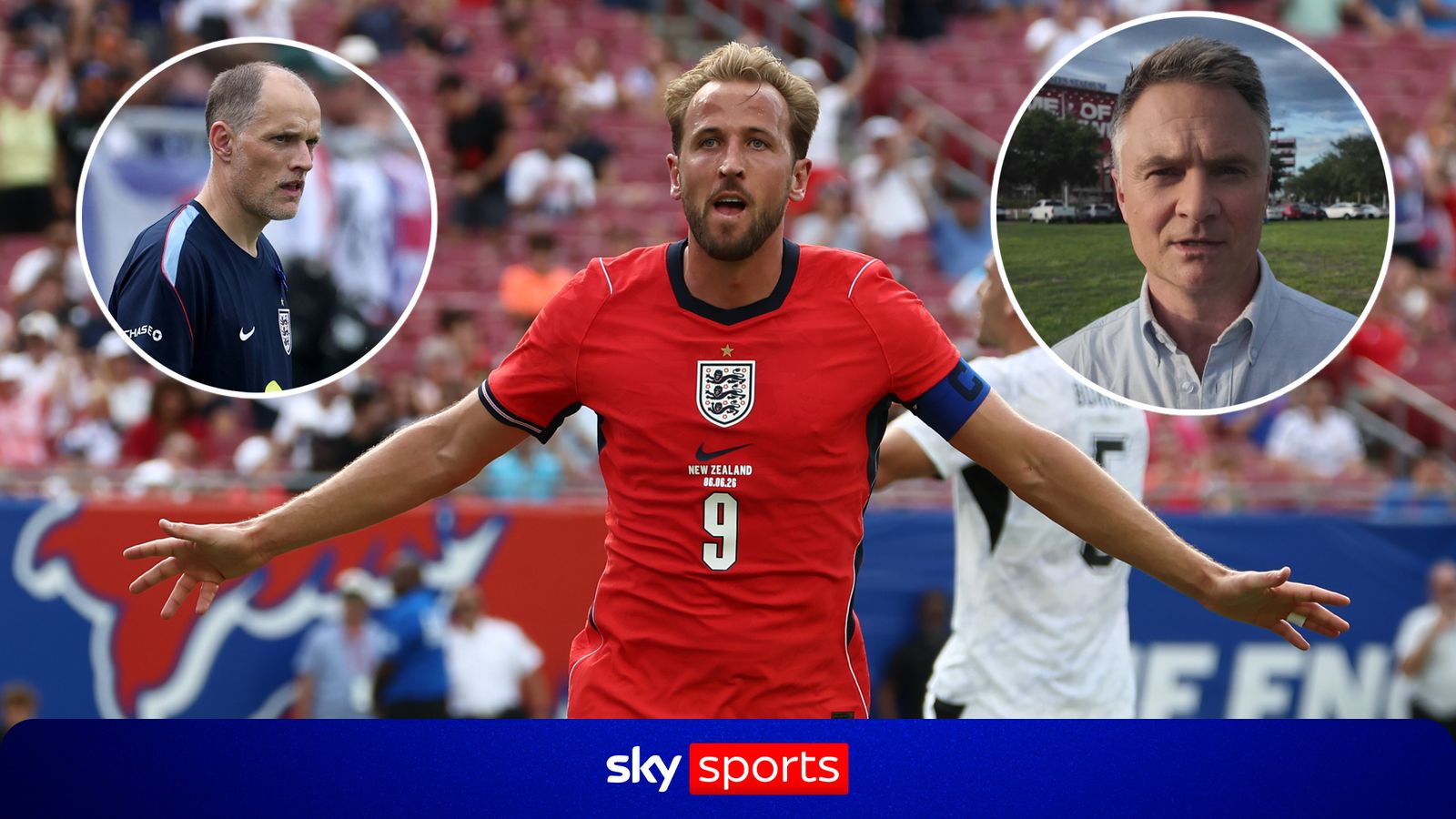
The recent Harry Kane goal highlights a troubling trend for the Three Lions. While results matter, the lack of fluidity in current performances suggests a team relying heavily on individual moments rather than collective cohesion. As noted in recent analysis, the team has significant work to do before the knockout rounds. They earn a spot here as a warning of how poorly managed expectations can lead to early tournament exits.
Honorable Mentions
Dennis Bergkamp’s turn against Newcastle in 2002 remains the best individual piece of skill for a goal, excluded only due to the lack of trophy stakes compared to finals. Additionally, Mario Gotze’s 2014 World Cup final goal misses the top ten due to Argentina’s missed chances, which arguably made the tournament result feel less like a earned triumph and more like a missed opportunity for Lionel Messi. Finally, Roy Keane’s 1999 performance against Juventus remains the most dominant individual display in a losing effort.