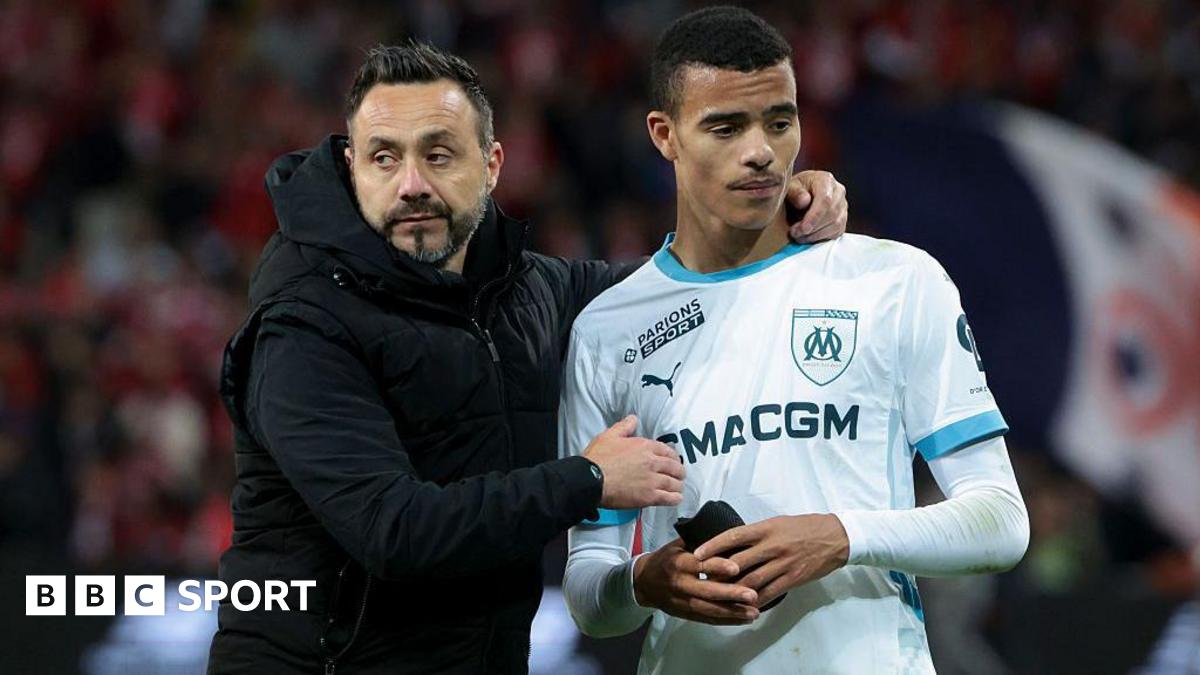
The disconnect between ownership and the terrace
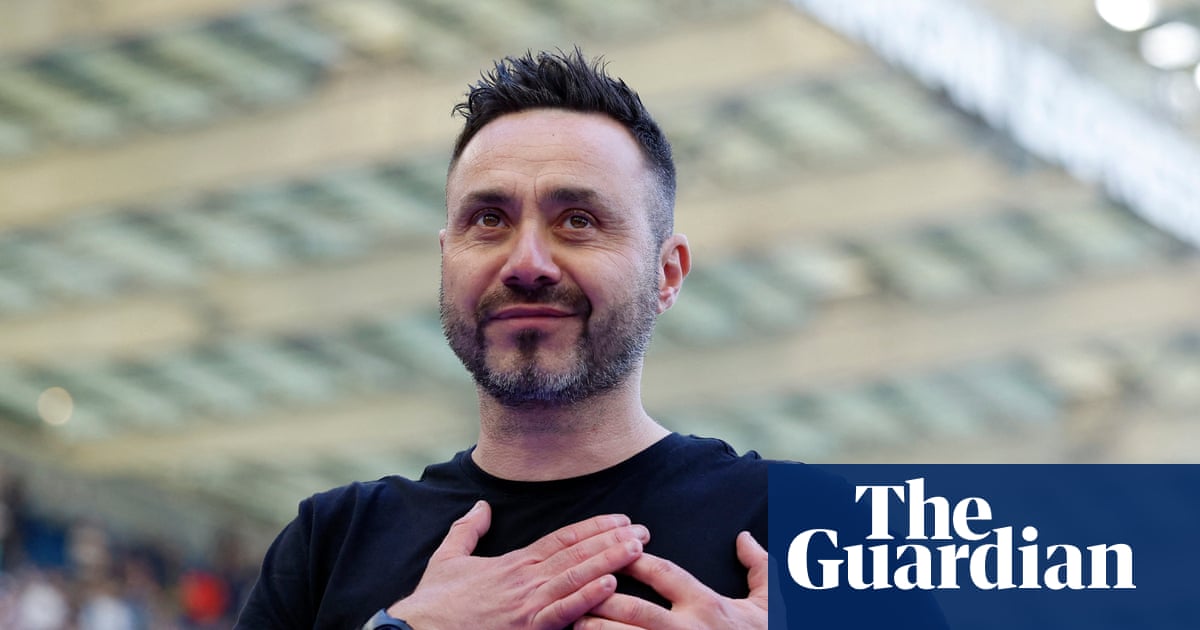
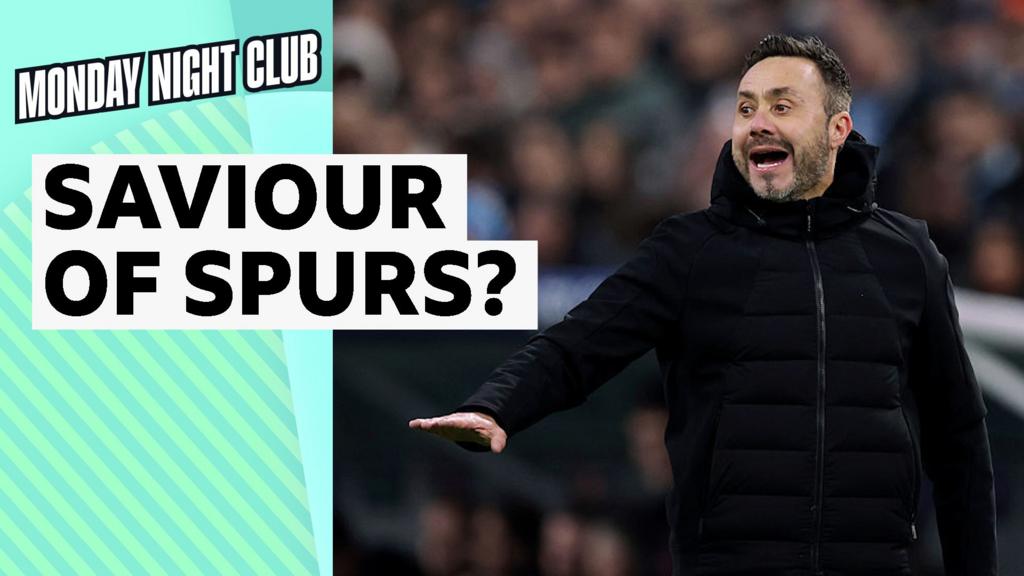
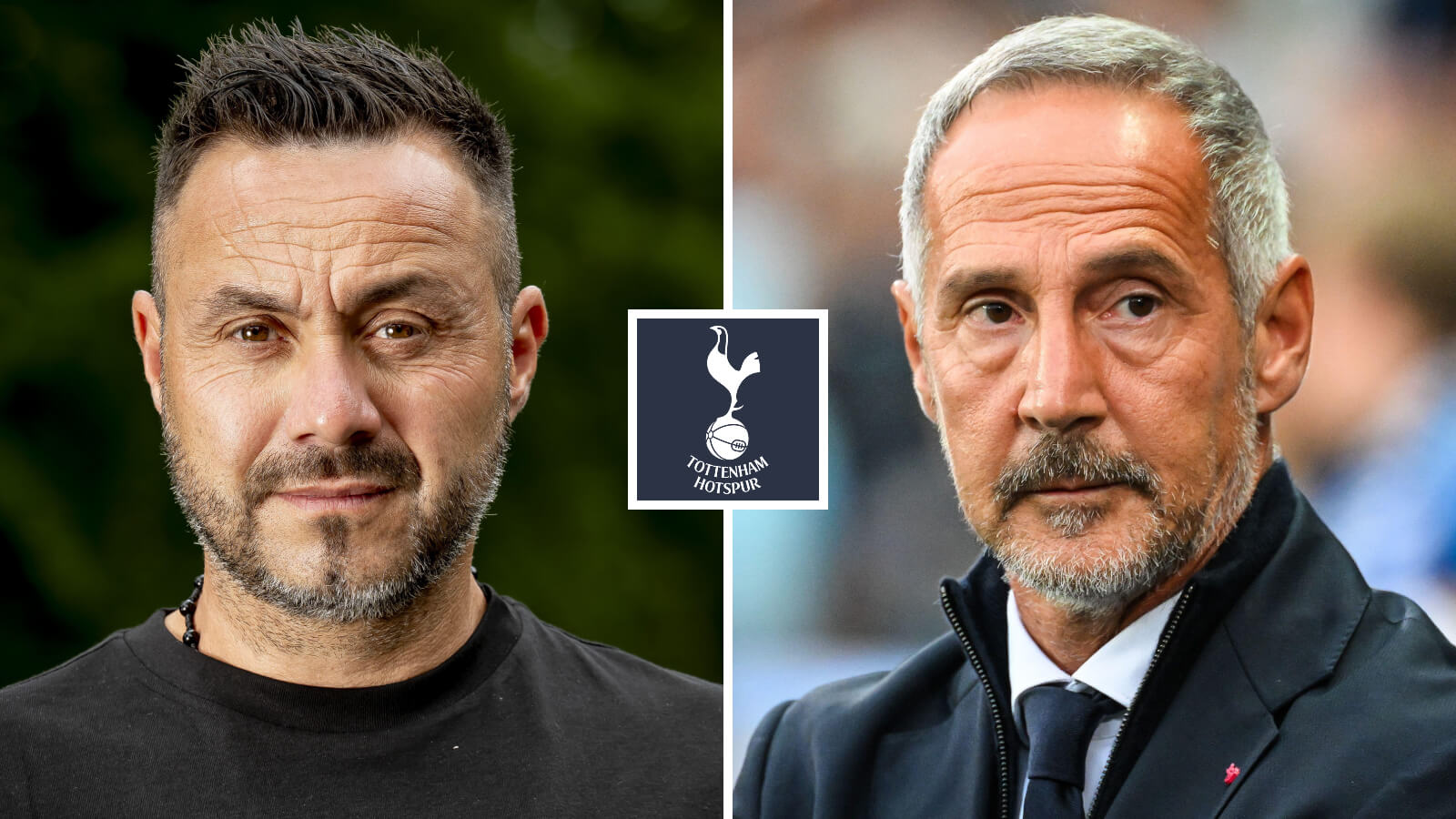
Tottenham Hotspur is currently trying to light a fire under its own house. The rumors circulating regarding Roberto De Zerbi’s potential appointment have moved past simple media speculation into genuine hostility.
The Tottenham Supporters' Trust has already made its stance clear, publicly confirming it cannot back this path forward. When a fan base threatens to boycott, you don't ignore it; you acknowledge the collapse of trust between the boardroom and the North London stands. As reported by the BBC, fans have labeled the prospect of this specific managerial hire as unforgivable.
Tactical vanity versus pragmatic recruitment
De Zerbi operates under a high-risk, high-reward tactical philosophy that demands 100 percent ideological buy-in. While his work at Brighton showed flashes of brilliance, those systems rely on a very specific set of defensive risks that require total concentration.
Tottenham’s current squad is a patch-work of tactical identities from the last three regimes. Injecting a manager who requires a complete structural overhaul of his defensive line and transition speed is a recipe for a -12 goal difference over the first fifteen matches. The club needs a stabilizer, not a manager who treats every defensive high-line as a personal challenge to his ego.
The cost of the De Zerbi gamble
This isn't an issue of talent, but of fit during a period of massive transition. Bringing in a personality that triggers immediate friction with the season ticket holders is the inverse of good management.
If the board proceeds, they aren't just signing a coach; they are triggering a civil war that will suck the oxygen out of the stadium. The pressure will mount after the first inevitable 3-1 loss to a direct rival. Players will see the divide, doubt the instruction, and the performance floor will drop out from under them.
Ownership failing to read the room during such a volatile window is a strategic failure. A manager who cannot harmonize with his supporters has no path to long-term survival in this league. This isn't about the tactical nuance of building from the back — it’s about the fact that the club is choosing chaos when they could be choosing a coherent vision for the future.