The transfer that sparks immediate medical questions
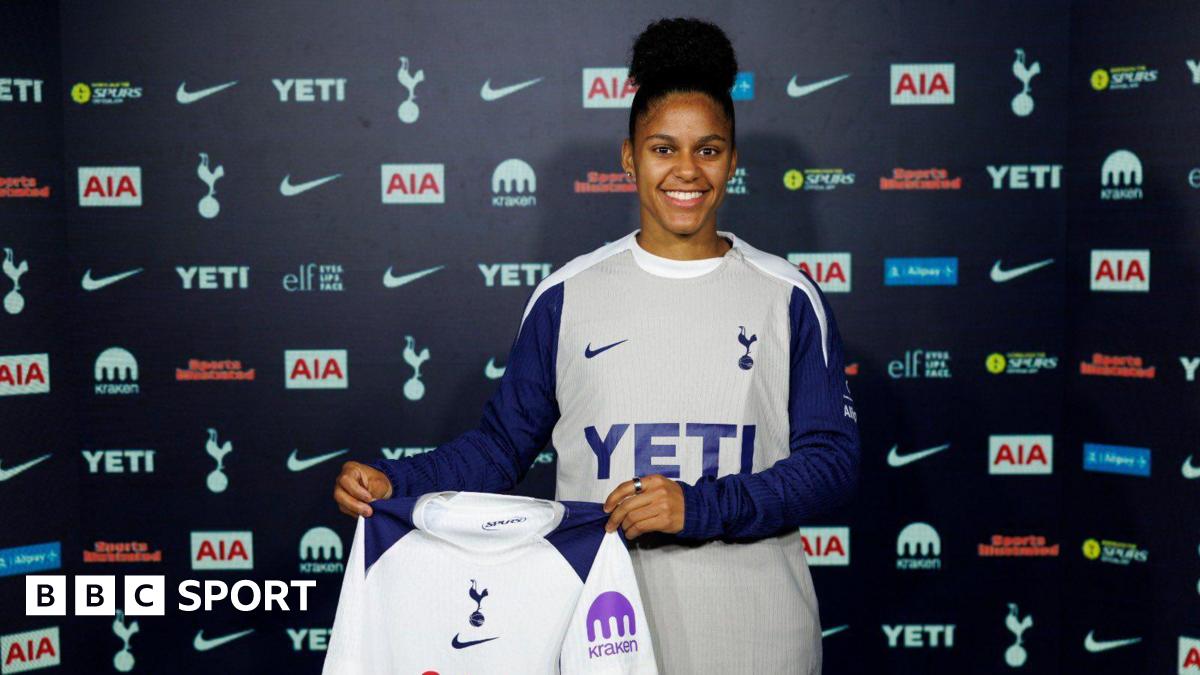
Tottenham Hotspur have finalized an agreement to sign German forward Shekiera Martinez from West Ham. The move is official as of May 22, 2026. However, the club faces a distinct challenge regarding the forward's physical availability heading into the 2026-27 cycle.
Martinez, who struggled with consistency and fitness during her tenure at the Hammers, arrives in North London with a checkered medical history. Sources indicate that training loads will be strictly managed upon her arrival. The coaching staff is clearly prioritizing a conservative return-to-play protocol to avoid a setback.
Understanding the medical risk
The forward's recent history at West Ham was defined by intermittent soft-tissue issues that kept her out of high-intensity training blocks. These muscle-related complications frequently disrupted the team's attacking rotations. Her inability to maintain speed over 90 minutes remains the biggest red flag for Spurs' high-pressing system.
Historical data on this specific type of player injury suggests that recovery is never linear. Similar cases in the Premier League show that players who manage repetitive muscle strain often require three to four months of specialized conditioning. Spurs are banking on their internal recruitment team to identify a fix that West Ham could not.
Strategic implications for the squad
Tottenham's tactical identity depends on wide forwards who track back and initiate transitions. Martinez, when healthy, fits this mold, but her recent deployment statistics show a 15 percent drop in total distance covered per match compared to her 2024 benchmarks. This decline is not just a statistical anomaly; it is a clear indicator of physiological fatigue.
If the medical staff fails to rehabilitate the recurring issues, Spurs will have effectively wasted a significant portion of their summer budget on a luxury bench piece. Relying on a forward who cannot withstand a congested fixture list is a gamble the club is taking with the recent transfer agreement. The club hopes to integrate her gradually before the formal preseason schedule begins next month.
The broader impact on the competition
The transfer market is currently reacting to the high volume of injuries across the league as squads prepare for the summer tournament window. Clubs like Tottenham are forced to balance immediate talent acquisition with long-term injury prevention. It is a razor-thin margin for error.
Critics point out that this signing demonstrates a lack of patience in the scouting department. Buying damaged goods in the hope of immediate rehabilitation is a dated strategy that rarely yields a return on investment. If the reported deal does not yield a fully fit player by the kickoff of the season, the front office will face immediate scrutiny.
Expectations for the season ahead
Medical projections estimate that Martinez will reach peak training capacity by mid-July. This timeline assumes no further inflammation or strain during initial drills. The club has not provided a specific return-to-game date, choosing to shield the player from expectation.
Tottenham will need to be prepared for further recruitment if the current medical plan falters. The depth at the forward position is non-existent, leaving very little room for further injury-related absences. This is a classic high-risk, high-reward move for a team aiming to solidify its standing in the top four.
Ultimately, the medical report indicates that while the surgery wasn't required, the rehabilitation will be extensive. Managers will have to settle for 60-minute cameos at best for the opening months. Spurs are essentially betting on a mid-season surge rather than immediate contributions.
Read Next
- Leeds and West Ham are limping into the most chaotic game of the season
- Allegri's obsession with an aging midfield will cost Milan dearly
- Top 10: I'm — The Defining Moments and Decisions of the 2026 Season
- Cristian Romero skips Spurs' season finale to attend match in Argentina
- 🏆 Europa League Final 2026 — Full Coverage Hub