The Xavi Simons medical fallout
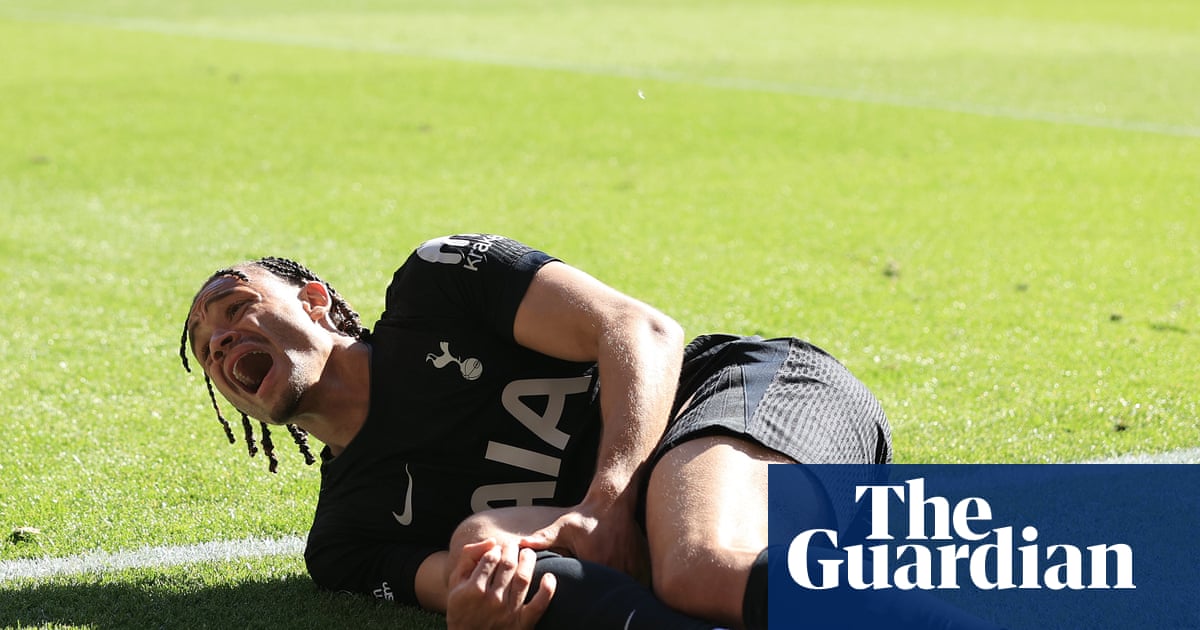
Tottenham's medical department is currently the subject of intense public scrutiny following the season-ending injury to Xavi Simons. The Dutch playmaker suffered a torn ACL, a catastrophic blow that has effectively ended his campaign and cast a shadow over Spurs' upcoming fixture list.
The controversy stems from the immediate aftermath of the initial incident. Observers and supporters have branded the medical staff as 'utterly clueless' for allowing the midfielder to attempt a return to the pitch after the injury occurred. This decision to delay his removal is being characterized by fans as an 'insane' gamble that risked further structural damage to a critical joint.
Tactical and structural implications
Losing Simons at this juncture is a massive setback for the club. He has been a primary creative hub, and his absence forces a complete recalibration of the midfield dynamic. Coaches and analysts are questioning the oversight that allowed a player with a clear, significant knee issue to continue exerting physical pressure on the field.
This is not merely a personnel loss; it represents a failure of process. When medical teams miss the diagnostic signs of a torn ACL during the heat of a high-stakes match, it highlights a disconnect between the injury prevention protocols and on-field execution. Historically, clubs that rush players back or fail to identify major ligament damage during the primary assessment often see extended recovery timelines due to secondary inflammation or aggravated damage.
Pressure on the medical staff
The fanbase is not holding back. High-profile injuries under the watch of a medical team already perceived as struggling to keep key assets healthy creates a toxic environment. If the medical department cannot accurately triage a season-ending injury in real-time, questions will naturally be raised about their long-term efficacy in player rehabilitation and preventative care.
While this is happening in London, elsewhere, the Scottish title race continues to provide a different kind of intensity. Whether it is Hearts competing for domestic titles or top European clubs managing elite talents like Simons, the margin for error is razor-thin.
Sources indicate the recovery for an ACL tear of this magnitude generally follows a strict internal protocol. Depending on the surgical intervention required, Simons is realistically looking at a minimum recovery period of six to nine months. This timeline all but rules out participation in early autumn fixtures, creating a significant hole in the roster for the start of the next campaign.
The club has yet to issue a formal apology or a breakdown of their diagnostic internal audit. Public frustration remains high, and the focus will now shift to how the recruitment department handles this vacuum. Replacing a talent of that profile in the summer window is difficult, and the price tag will inevitably be inflated given the late-stage nature of the injury.
Management must now decide if the personnel crisis warrants a complete overhaul of the medical team's leadership. When fans and analysts alike are calling for accountability, the organization usually faces pressure to make structural changes to satisfy stakeholder expectations. For now, Spurs remain a team in wait, watching a critical piece of their attack undergo surgery while the rest of the league maneuvers for position.
Read Next
- Tottenham face a brutal reality after the Xavi Simons injury disaster
- Top 10: The Tottenham Hotspur Historical Hierarchy
- Tottenham won against Wolves but Jamie Carragher isn't buying the hype
- Spurs left scrambling as Micky van de Ven faces significant layoff
- 🇳🇱 Netherlands World Cup 2026 — Oranje Hub
- 🏆 Europa League Final 2026 — Full Coverage Hub