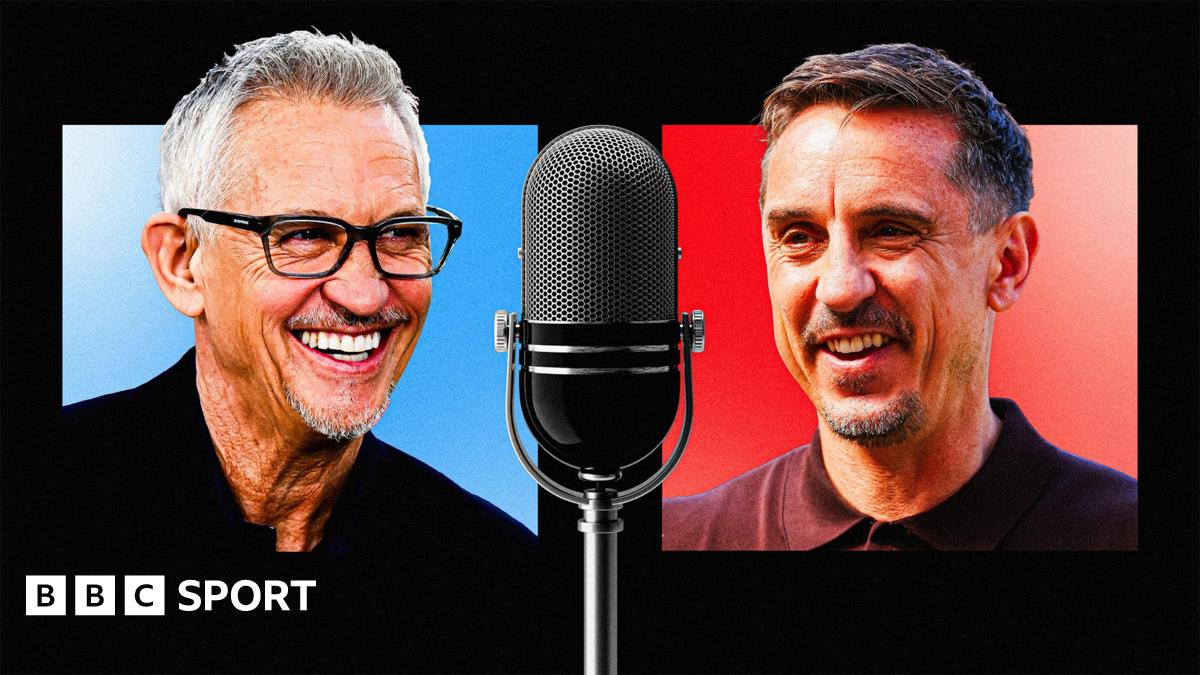
Tracey Neville is right to call out the camera-phone cowards

The digital panopticon of the modern pundit
It is April 21, 2026, and the boundary between public analysis and private safety has finally dissolved. The latest viral footage involving Gary Neville is not just another TikTok moment for the algorithm to digest. It is a grim diagnostic of how we treat the people who provide the soundtrack to our weekends. When a member of the public decided to hurl vile abuse at the Manchester United icon, they weren't just expressing a footballing opinion. They were performing for a lens, bankrolling a few seconds of social media clout with the currency of human decency.
Gary Neville has spent the better part of two decades being the most visible man in English football. Between his work on Sky Sports, his ownership stakes at Salford City, and his increasingly influential Overlap series, he is inescapable. But ubiquity should not be a permit for harassment. The incident reported by Mirror Football highlights a specific brand of modern cowardice: the heckler who waits until they are safely behind a screen or a crowd to bark insults they would never utter in a silent room.
The Neville family's defensive line
Tracey Neville’s intervention on social media is the most significant part of this story. She isn't just an 'aggrieved sister' in the traditional sense. As a former elite athlete and the coach who led the Vitality Roses to Commonwealth Games gold, she understands the pressure of the spotlight better than almost anyone. Her decision to hit back at the heckler wasn't a PR move; it was a necessary reassertion of boundaries. When the discourse becomes this toxic, the family unit often becomes the final line of defense against a tide of unchecked vitriol.
We have reached a point where the 'pundit' has been dehumanized into a content-generating bot. To the person shouting the abuse, Gary Neville isn't a father, a brother, or a former professional who gave 20 years to the game. He is a talking head from a television screen that can be poked and prodded for a reaction. Tracey Neville’s response serves as a jarring reminder that there are real people behind the suits and the tactical telestrators. The viral nature of the video only compounds the injury, rewarding the abuser with the very attention they were fishing for in the first place.
The industrialization of the heckler
The mechanics of these confrontations have changed. In the 1990s, an angry fan might yell something from the upper tier of the Stretford End and that was the end of it. In 2026, every interaction is a potential content piece. The person shouting the abuse is often holding their own phone, or has a friend nearby recording the 'engagement.' This is the industrialization of the heckler. They are looking for a bite, a reaction, or a moment of vulnerability that they can upload to X or TikTok for a fleeting hit of dopamine and a surge in followers.
This creates a dangerous feedback loop. If Gary Neville reacts, he is 'unprofessional' or 'losing his head.' If he stays silent, the abuser feels emboldened to push further next time. It is a no-win scenario that has become a feature of the modern sporting landscape. We see it with referees at airports, players at train stations, and now pundits in the street. The normalization of this behavior is a rot that started in the comments sections and has now metastasized into physical spaces.
The price of opinionated analysis
Gary Neville is, by his own admission, a polarizing figure. He takes strong stands on everything from the Glazer ownership to the tactical failures of the England national team. That is his job. We pay for his insight because it is sharp, uncompromising, and grounded in a level of technical knowledge that few can match. However, we have confused 'disagreeing with an opinion' with 'hating the person.' The intellectual gap between thinking a 4-3-3 was the wrong choice and shouting vile personal slurs in a public thoroughfare is massive, yet we see it bridged every single day.
There is also a technical exhaustion at play here. Neville is often the lead voice on the biggest games of the week. By the time he leaves a stadium on a Sunday night, he has been 'on' for six hours. The entitlement of the fan who thinks they are owed a piece of him—or worse, a chance to degrade him—after that shift is staggering. It reflects a broader societal shift where the 'celebrity' is seen as public property, a commodity to be consumed and discarded.
A critical look at the 'Neville Brand'
While the abuse is inexorable and indefensible, we must also look at the medium itself. Gary Neville has built a media empire on being confrontational. Whether it’s his 'Monday Night Football' clashes with Jamie Carragher or his 'The Overlap' debates that often lean into the tribal nature of the sport, he has successfully monetized the very friction that occasionally boils over into these incidents. This does not justify the abuse, but it does explain the volatile environment in which he operates.
The 'Gary Neville' brand thrives on being in the thick of the argument. By positioning himself as a social commentator as much as a football analyst, he has invited a broader range of critics into his orbit. When you trade in the currency of 'taking a side,' you inevitably alienate the other half of the room. Again, this is a reason, not an excuse. But there is a valid question about whether the modern 'mega-pundit' model, which relies so heavily on personality and 'hot takes,' is sustainable if it leads to this level of personal vulnerability.
The data of the viral moment
If we look at the metrics, these 'confrontation' videos perform significantly better than actual tactical analysis. A video of a pundit being abused in a car park will garner 500000 views in an hour, while a deep dive into Manchester United's transition defense might struggle to hit a fraction of that on the same platform. The platforms themselves are complicit. Their algorithms prioritize 'high-arousal' content—videos that provoke anger, shock, or outrage. The heckler is simply a low-level contractor for the attention economy.
This is why Tracey Neville’s social media stand is so vital. It breaks the fourth wall. It interrupts the cycle of 'pundit as content' and replaces it with 'pundit as human.' By calling out the behavior, she forces the viewer to acknowledge the cruelty of the act rather than just the spectacle of the video. It is a necessary friction in a digital world that usually tries to smooth over the human cost of its content.
The road to the 2026 World Cup
With the World Cup only 51 days away, the scrutiny on figures like Neville is only going to intensify. The tournament in the USA, Canada, and Mexico will be the most digitally documented sporting event in history. If we don't address the culture of camera-phone aggression now, the scenes at the airports and fan zones in June will be chaotic. We are moving toward a reality where top-tier talent will refuse to engage with the public entirely, retreating into high-security bubbles that further distance the game from the fans.
The incident reported by The Mirror should be a turning point. It shouldn't take a sister defending her brother for us to realize that shouting 'vile' abuse at someone in the street is a failure of character. We need to stop rewarding the 'clout-chasers' who film these interactions. Every time we like, share, or quote-tweet a video of a public figure being harassed, we are funding the next one. We are the silent partners in the heckler’s business model.
Final thoughts on the Neville incident
Gary Neville will keep going. He is built from a specific kind of Bury-tempered steel that doesn't buckle under a few viral insults. But that isn't the point. The point is that he shouldn't have to. The 'price of fame' is an outdated concept used to justify treating people like garbage. As we approach the end of the domestic season and the start of a massive summer of football, it’s time we demanded more from ourselves as fans. Football is a game of opinions, but those opinions lose their value the moment they are shouted through a lens of hate.
Tracey Neville didn't just defend her brother; she defended the idea that we can be better than our worst impulses. It was a 10 out of 10 response to a zero-out-of-ten human interaction. If the heckler wanted their fifteen minutes of fame, they got it—but they also got a lesson in what happens when you target someone whose family knows exactly how to fight back. Let’s hope the message sticks before the next person decides to pull out their phone and start shouting.
Official Premier League Jacquard Scarf - Lion Logo
The classic cold rainy night in Stoke essential.
More Coverage
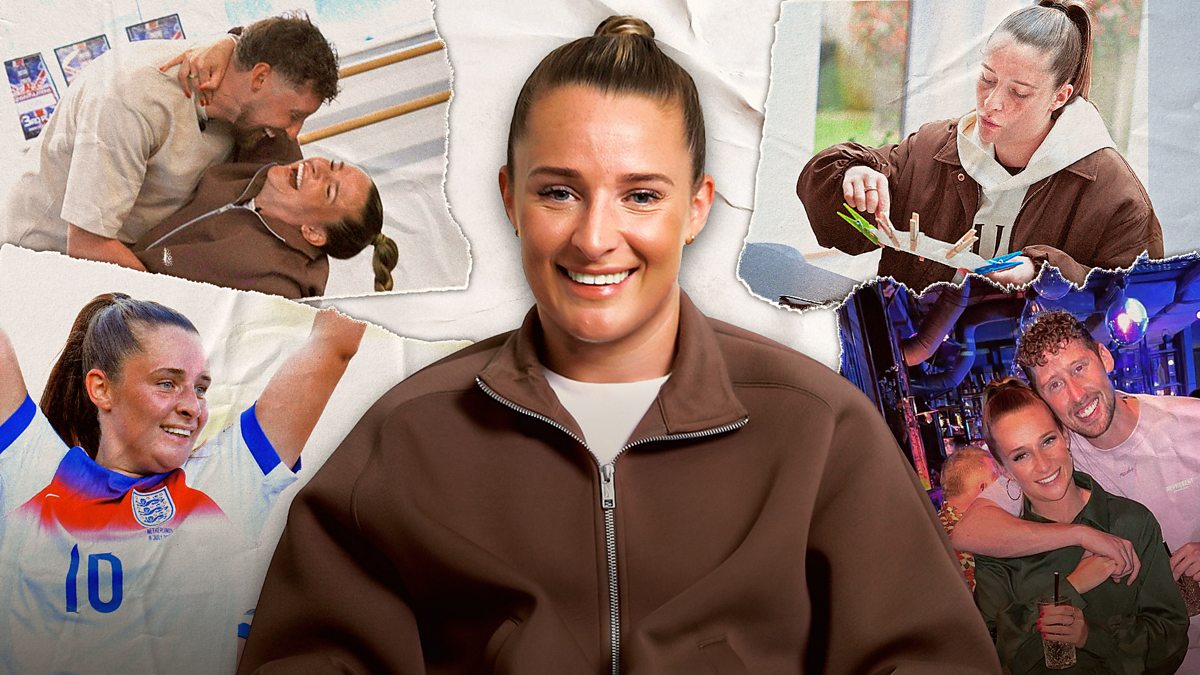
Ella Toone is the most realistic window into the modern footballer's life
2 hours ago
Why United must prioritize Ederson to reclaim their midfield
9 hours ago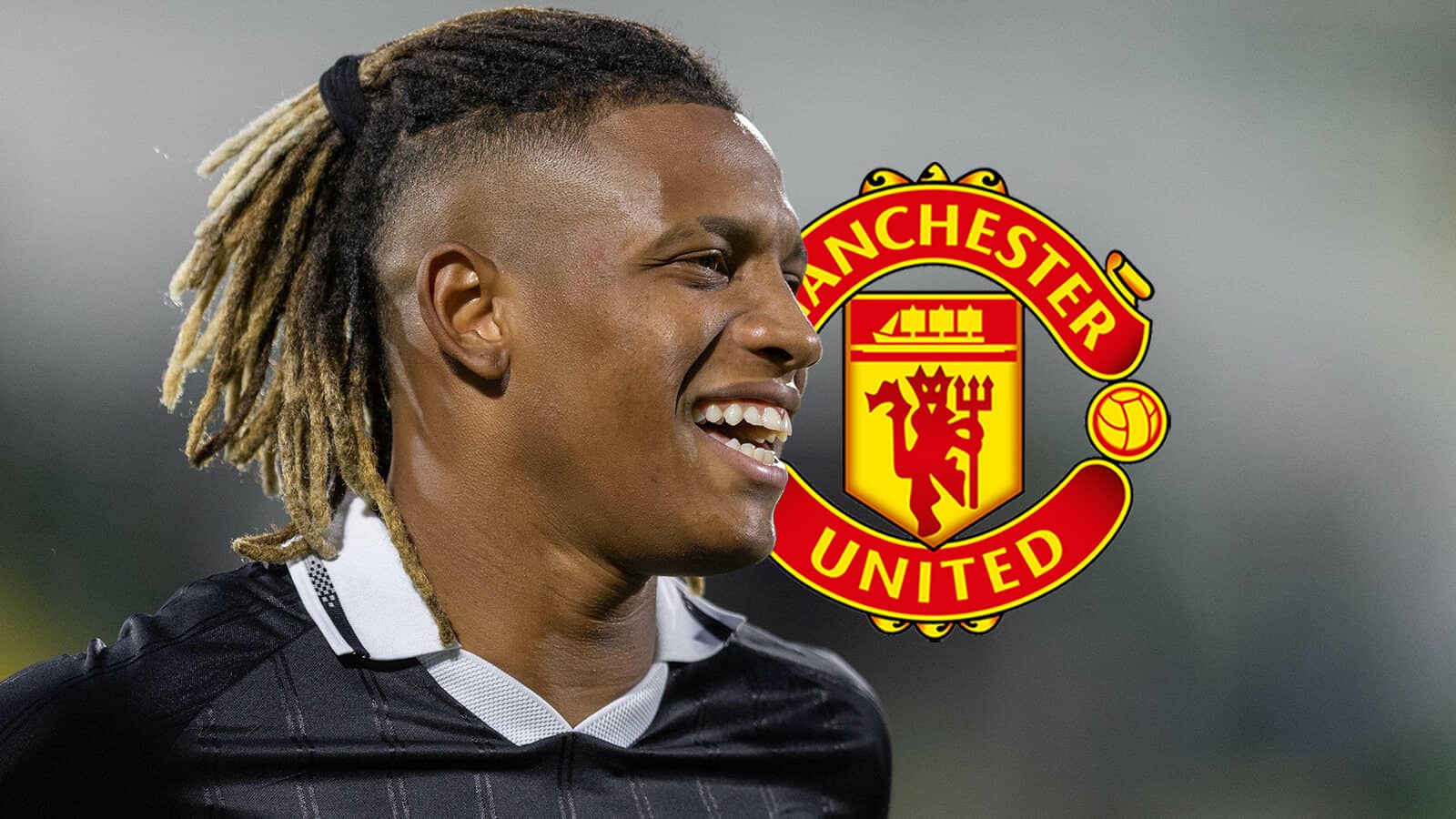
Manchester United's summer overhaul: The Ederson and Danilo gambits
10 hours ago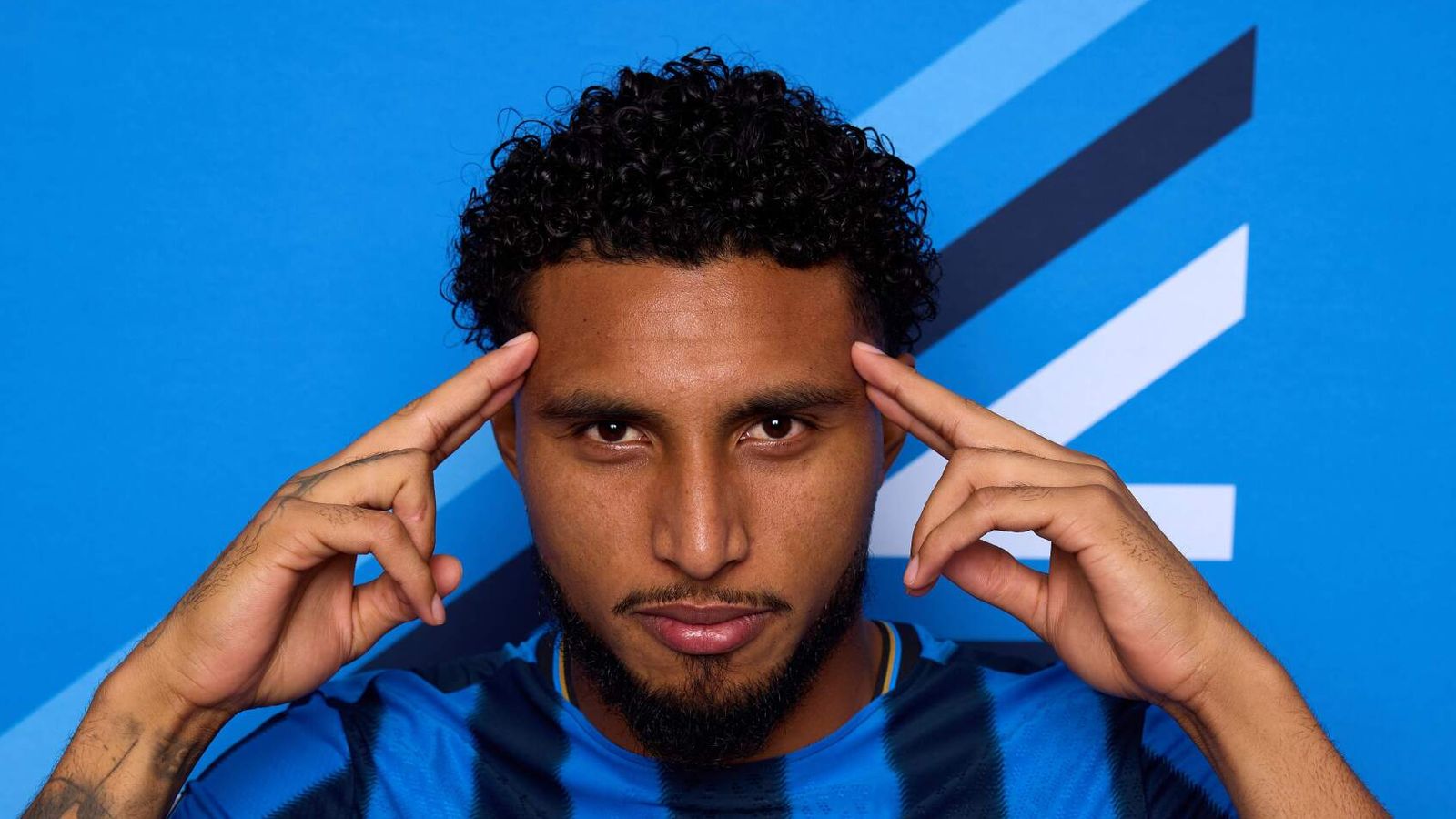
Why Manchester United’s pursuit of Ederson makes tactical sense
10 hours ago
Manchester United are sleepwalking into another summer of uncertainty
14 hours ago
Michael Carrick has a massive squad management headache at Man Utd
23 hours agoMore Analysis

Gary Neville's acquisition of Mark Goldbridge is a cynical media pivot
1 month, 2 weeks ago
Gary Neville is winning the podcast game while the pundits lag behind
1 month, 3 weeks ago
Football Twitter finally put aside the tribalism to support a grieving Lioness
1 month, 4 weeks ago
Gary Neville’s podcast empire proves punditry beats management
1 month, 3 weeks ago
Neville Southall wants to scrap the honours list and the internet is losing it
1 month, 3 weeks ago