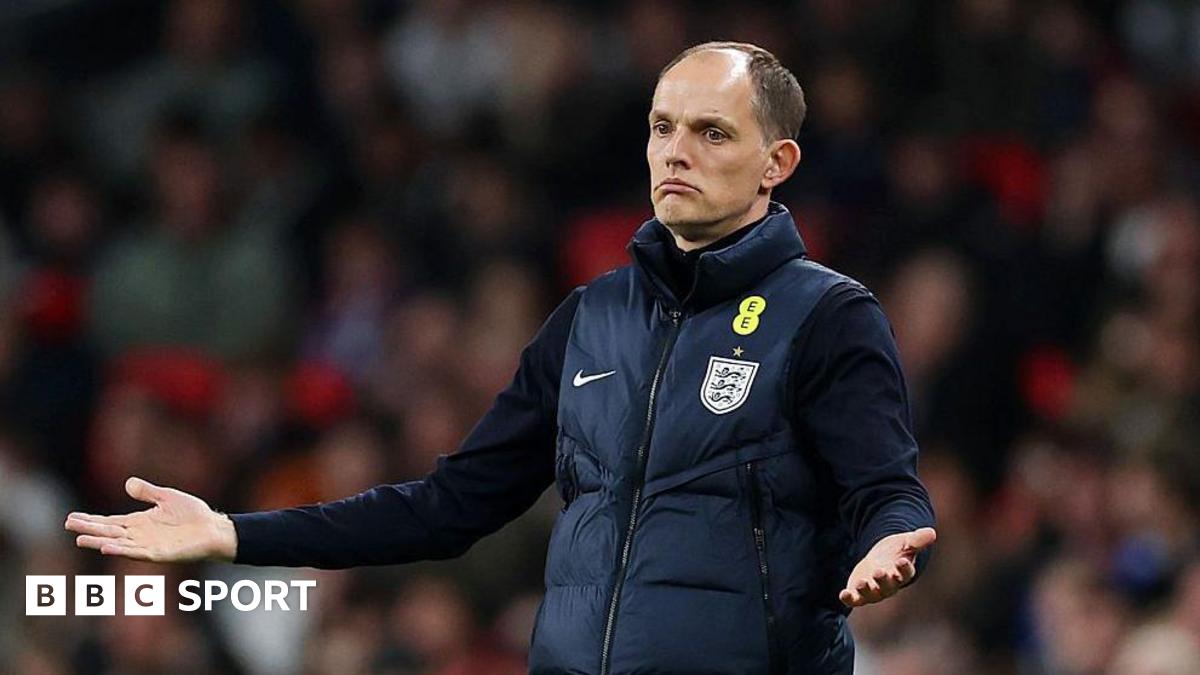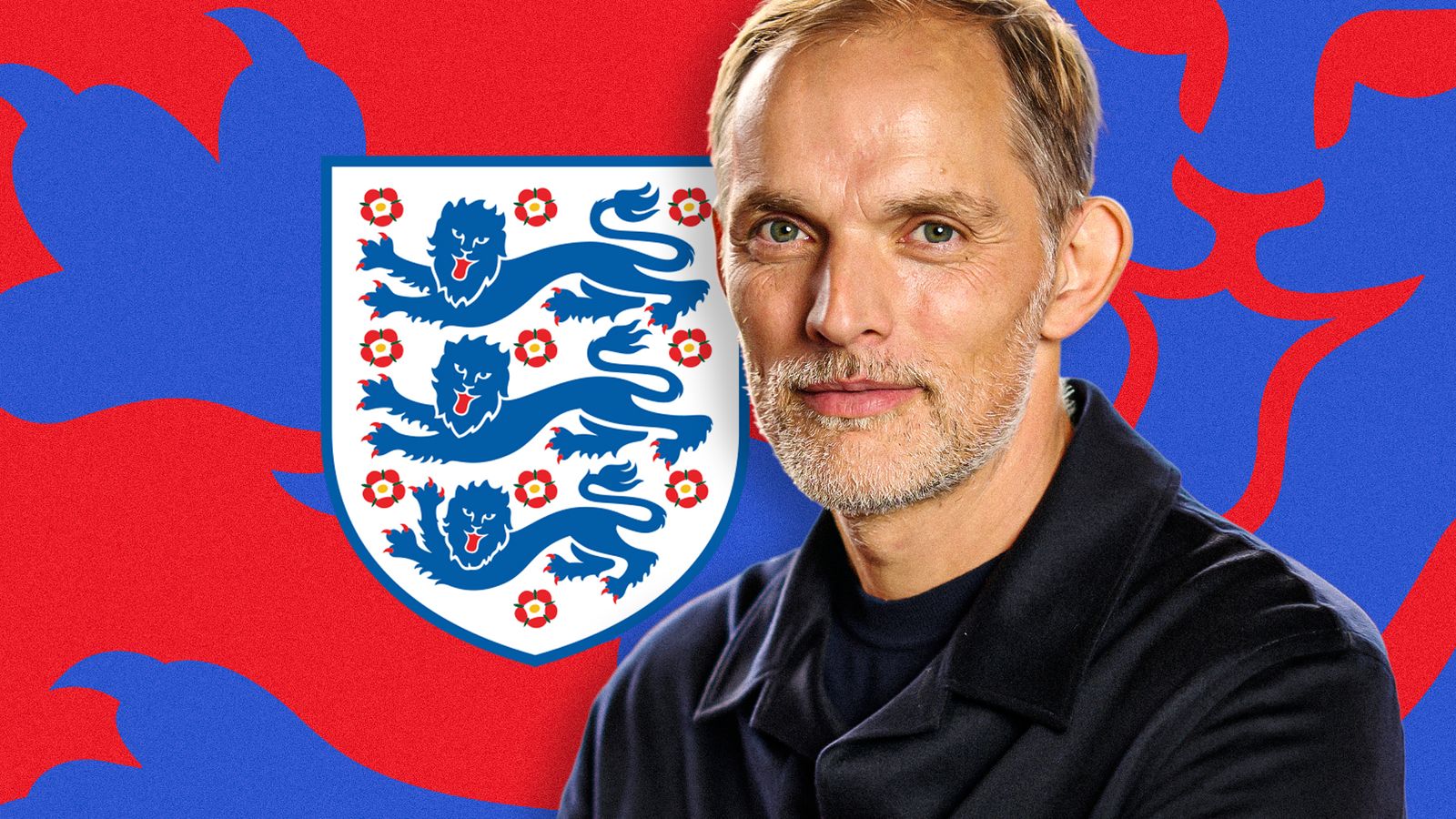
There are exactly 51 days until the 2026 World Cup kicks off across North America. That is the entirety of the runway Thomas Tuchel has left to fix a systemic, deep-rooted psychological issue that has plagued the England national team across multiple generations.
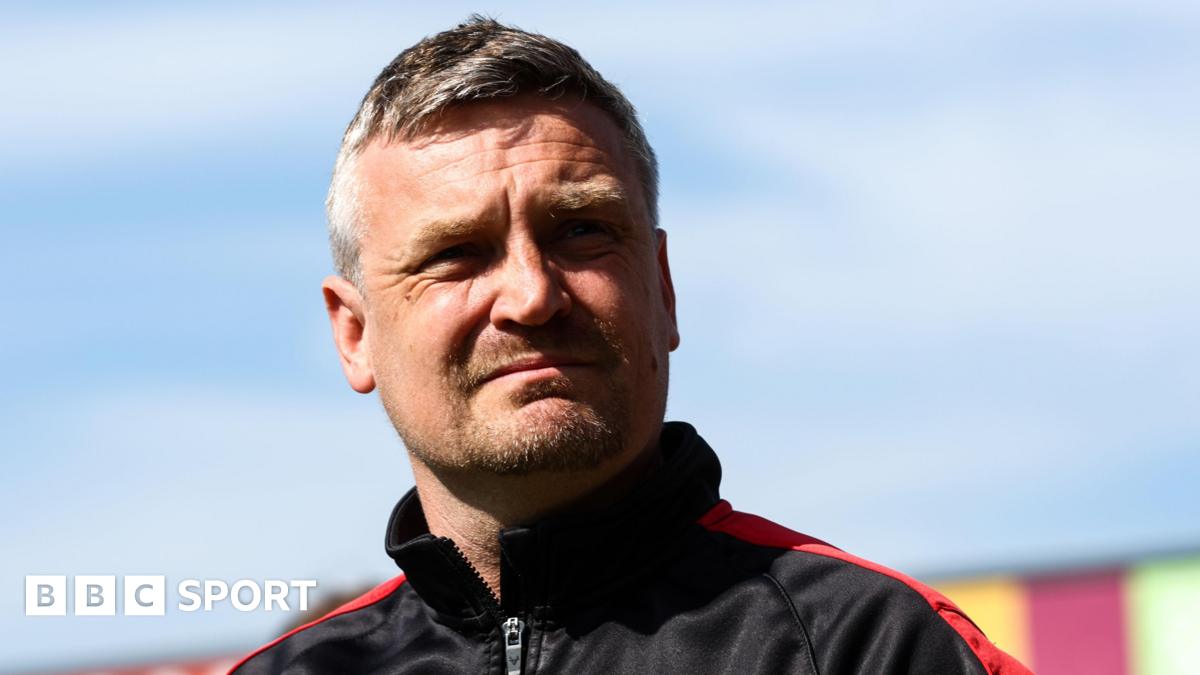
Speaking to the BBC this week, former manager Fabio Capello pointed out the glaringly obvious, zeroing in on the exact tactical flaw Tuchel has to solve if this team is going to succeed this summer:
"Manager Thomas Tuchel must address England's tendency to play with fear."
It is easy to dismiss Capello as a ghost of failures past, a man whose own strict regime ended in disaster in South Africa. But if you strip away the baggage of the messenger, the tactical assessment is flawless.
We all know exactly what this fear looks like on the pitch. It is not players visibly trembling in the tunnel. It is a creeping, collective tactical paralysis that infects the squad the moment the stakes become real.
The Cost of Conservatism
When the pressure mounts in a late-stage tournament tie, the patterns of play for this England side become entirely predictable. The defensive line instinctively drops five to ten yards deeper than the manager instructed. The aggressive, front-foot counter-press that looked so fluid in qualifying evaporates into a passive, cautious mid-block.
Most damaging of all is what happens during the possession phase. The passing network devolves into a risk-averse, U-shaped circulation around the perimeter of the opponent's defensive structure.
Look back at the Euro 2024 final against Spain in Berlin. For the first twenty minutes, England looked structurally sound. But the moment Spain began to dictate the tempo in midfield, the English shape collapsed inward. Center-backs John Stones and Marc Guéhi were forced into exchanging slow, horizontal passes because the midfield pivot stopped showing for the ball in tight, contested spaces.
This is the lingering hangover of the Gareth Southgate era. Southgate deserves immense credit for repairing the toxic, fractured culture that defined the Golden Generation. He made players want to wear the shirt again. But his in-game management was inherently, aggressively conservative.
Whenever England took an early lead against elite opposition—think Italy in the Euro 2020 final or Croatia in the 2018 semi-final—the immediate, collective instinct was survival rather than suffocation. They invite pressure. They hand the initiative to the opponent and hope their low block can withstand the barrage. At the highest level of international football, that approach is tactical suicide.
Rewiring the Midfield Engine
The FA did not hire Thomas Tuchel to be a vibe manager or a cultural architect. They hired him to be ruthless. His entire tactical philosophy is built on dictating the game state through aggressive, structured possession and high-intensity pressing.
But implementing that philosophy at the international level is an incredibly difficult proposition. You cannot simply pull a lever and erase years of cautious muscle memory in a handful of training sessions at St. George's Park.
The solution has to start in the center of the pitch. If Declan Rice and Jude Bellingham are going to dominate a World Cup knockout tie in the searing heat of a North American summer, they need a tactical structure that supports bravery on the ball.
Rice, for all his physical dominance and ball-winning ability, still struggles when asked to receive the ball on the half-turn with a man on his back. Tuchel needs to implement automated passing circuits—pre-rehearsed triggers that give his midfielders guaranteed, safe passing outlets before the panic starts to set in.
When an opponent triggers a press, an English midfielder's first thought is too often a safe back-pass to the goalkeeper. Under Tuchel, the first thought must be to break the line. If you watch how his Chelsea team operated during their 2021 Champions League run, the midfield pivot was constantly creating triangles, offering themselves as bounce passes to beat the first wave of pressure.
The Build-Up Dilemma
Beyond the midfield, the deepest root of this anxiety starts with the first phase of build-up. For all the praise heaped on Jordan Pickford over the years for his shot-stopping, his distribution under extreme pressure remains a massive liability. When opponents aggressively jump the center-backs, Pickford's default setting is to launch hopeful, low-percentage long balls into the channels.
That immediate forfeiture of possession is the literal definition of playing with fear. It signals to the rest of the team that they do not trust their own technical ability to play through a high press.
Tuchel demands extreme bravery from his goalkeepers. He wants them acting as an auxiliary center-back, baiting the press before clipping passes over the first line of engagement. Pickford has never consistently demonstrated this level of composure on the international stage. If he defaults to panic-clearances against elite pressing sides like Germany or Spain in the latter stages of the tournament, England's attacking structure will be starved of service.
John Stones will also be vital here. He is the only English center-back entirely comfortable stepping into midfield with the ball at his feet. But Stones cannot do it alone. The left-sided center-back position remains a glaring weakness. Whether it is Levi Colwill, Marc Guéhi, or even a converted full-back, that player must be willing to punch passes through the lines rather than taking the easy, horizontal option back to Stones.
The Risk of Tactical Overload
There is a glaring, undeniable risk here, and it is worth being highly critical of the FA's timing. Tuchel is a brilliant, obsessive tactician, but he is notoriously demanding and historically impatient. International football requires a level of pragmatic compromise that he has rarely shown in his club career.
A national team manager gets roughly six weeks a year to work with their squad. Complex positional play requires daily repetition. If Tuchel tries to overload this group with intricate, heavy-handed positional instructions right before they fly across the Atlantic, he might end up confusing players who are already fighting their own internal nerves.
We saw this exact scenario play out with Capello in 2010. He tried to force a rigid, uncompromising system onto a squad that fundamentally misunderstood his demands. The result was a disjointed, miserable campaign that ended in a humiliating thrashing by Germany.
Tuchel has to find the middle ground. He needs to instill the bravery of a top-tier club side while keeping the tactical blueprint simple enough to be executed flawlessly under immense psychological pressure.
The Foden Conundrum
Nowhere is this tension more apparent than in the deployment of Phil Foden. For Manchester City, Foden operates in a system where every player knows exactly where their teammates will be two passes ahead. He thrives on instinct, spatial awareness, and the constant, rhythmic rotation of Pep Guardiola's system.
For England, Foden often looks lost, isolated on the left flank and constantly checking back inside into crowded areas. Southgate never figured out how to integrate him. If Tuchel cannot find a way to make Foden the creative focal point of this team without compromising the defensive structure, his tenure will be deemed a failure before it truly begins.
The solution might be moving away from the rigid 4-2-3-1 that has defined England for six years and shifting to a fluid 3-4-2-1, allowing Foden and Bellingham to operate as dual number tens behind Harry Kane. This would force the wing-backs to provide the width, keeping the central areas heavily populated and giving England the numerical superiority needed to control possession.
But again, does Tuchel have the training hours to implement such a drastic shift? The clock is relentlessly ticking.
A Defining North American Summer
We are going to find out very quickly what this team is made of. The draw has not been exceptionally kind, and the physical demands of traveling across multiple time zones in the United States will test the squad's endurance to the absolute limit.
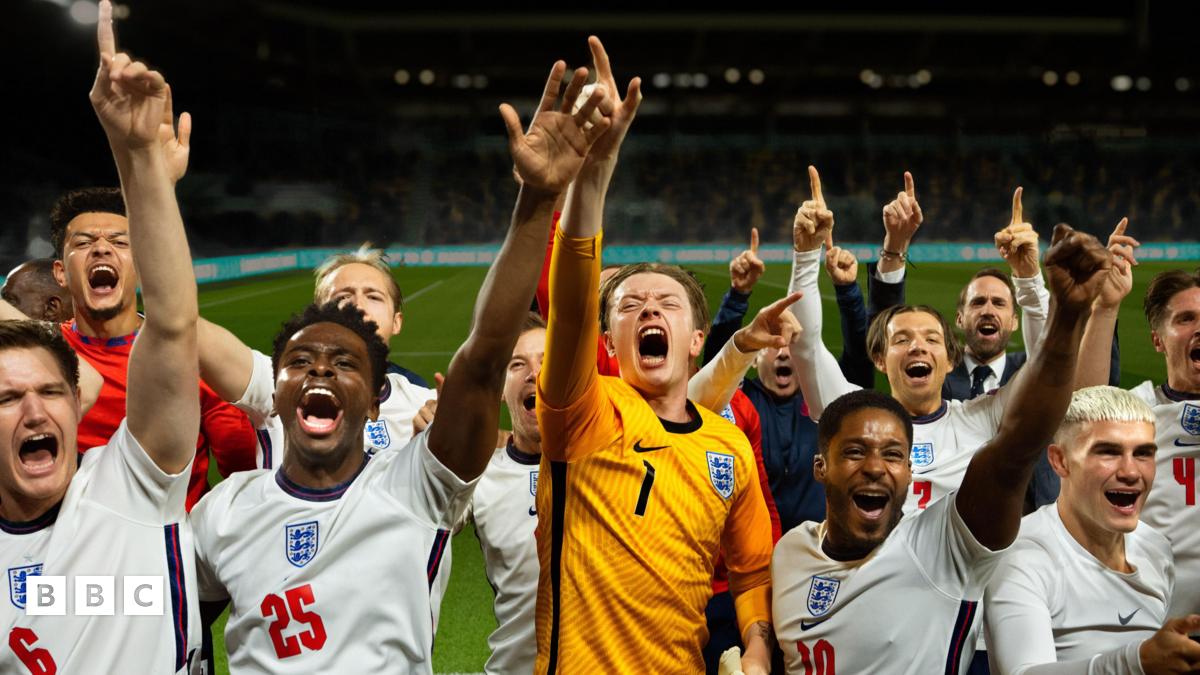
Capello's stark warning is currently hanging heavily over St. George's Park. England undeniably possess the raw talent to win this tournament. Man for man, their squad depth rivals France and arguably surpasses Brazil and Argentina. But talent has never been the primary issue.
The issue is the shirt. The issue is the weight of history that causes a phenomenally gifted group of athletes to shrink when they should expand.
My prediction? Tuchel will force a cultural shift, but it will be messy. Expect England to scrape through the group stages with unconvincing, disjointed performances as they try to unlearn their worst habits. But if they can survive the early rounds and build momentum, Tuchel's aggressive tactical demands might finally click in the quarter-finals.
They have 51 days to stop acting like they are terrified of losing. If they can figure that out, they will reach the semi-finals at the absolute minimum. But if that familiar, creeping paralysis returns when the lights are brightest, it will be another long, quiet flight home.
Read Next
- Nico O'Reilly will start for Tuchel at the World Cup
- How Man City dismantled Arsenal's midfield to blow the title race open
- Haaland's mind games expose the tactical flaws in Arsenal's title bid
- Brighton avoid disaster as Sergio Gomez scans return positive news
- 🏆 World Cup 2026 — Full Coverage Hub
- 🏴 England World Cup 2026 — Three Lions Hub