The Backdoor is the Only Door
There was a time when the Europa League was the consolation prize nobody wanted. It was the Thursday night graveyard shift, a grueling slog across the continent that served only to derail your domestic campaign. But as we head toward the 2026 final, that arrogance has been burned away. For the likes of Aston Villa and Nottingham Forest, this isn't just a trophy; it is a violent redistribution of wealth in real time.
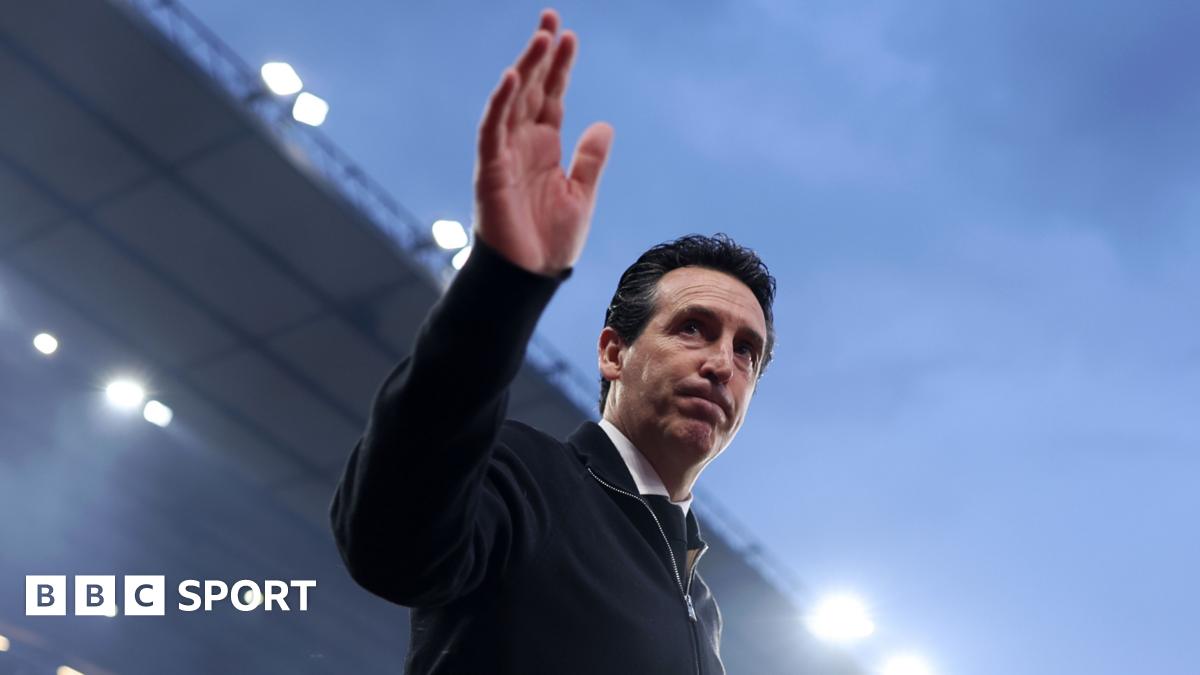
Look at the wreckage in West London. Chelsea spent billions to build a squad that just got systematically dismantled by PSG. Liam Rosenior is facing the sack because the "process" at Stamford Bridge has hit a brick wall. Chelsea are staring at a future without Champions League revenue, while Unai Emery is standing on the touchline at Villa Park, calmly preparing to leapfrog the established order. The stakes in this UEL campaign are no longer just about adding a pot to the cabinet. It is about who survives the next five years of European football.
The math is simple and brutal. With the new UEFA coefficient rules, seventh place in the Premier League is now a viable route into the Champions League. But that only works if an English club brings home the hardware. When The Mirror reported on the qualification scenarios, it laid bare the desperation of the old guard. They are now relying on the very teams they tried to gatekeep out of the elite to do them a favor.
The Emery Effect vs. The Chelsea Collapse
It is almost poetic that Emery is the man holding the keys. The man who was mocked at Arsenal is now the most dangerous manager in Europe when a midweek knockout game is on the line. Villa's 3-0 aggregate demolition of Lille wasn't just a tactical win; it was a statement of intent. They played with a level of composure that Chelsea haven't shown since the Thomas Tuchel era. While Chelsea fans were watching John Terry hammer their current crop for a lack of heart against PSG, Villa fans were watching Leon Bailey and Ollie Watkins slice through a disciplined French defense like it wasn't there.
The disparity is embarrassing. Chelsea have become a cautionary tale of what happens when you have more money than sense. They have an bloated squad of individual talents who look like they met in the parking lot five minutes before kickoff. Contrast that with Villa. Every movement is drilled. Every press is synchronized. Emery has turned Villa into a European specialist, and if they lift that trophy in May, they won't just be qualifying for the Champions League—they will be doing it by kicking the door off the hinges while the Big Six try to climb through the window.
There is a cynical reality to this. The "coefficient" system was designed to protect the big brands, but it has created a situation where a club like Everton or Newcastle can suddenly find themselves at the top table because of a rule change they barely understood. We are seeing a shift where the mid-tier is no longer content with a "good run." They want the £80 million check that comes with a Champions League group stage spot. They want the recruitment power that allows them to steal targets like David Raya away from the traditional giants.
Why 7th Place is the New 4th
We need to talk about the absurdity of the current qualification race. The fact that we are even discussing 7th place as a Champions League spot feels like a betrayal of the sport's meritocracy. It is a safety net for failure. But for Nottingham Forest, it is a lifeline. Their penalty shootout win over Midtjylland was pure chaos, the kind of gritty, ugly football that the UEL was built on. If Forest can keep this run going, they aren't just chasing history; they are chasing the kind of financial transformation that changes a city forever.
But let's be critical for a second. The quality of the Premier League's "elite" has dipped. The results this month have left English clubs feeling like they belong in a farmers league. When Chelsea get thrashed and Man Utd surrender their European ambitions before the clocks even change, something is broken. We are seeing a top-heavy league where the middle is hollowing out the top. The arrogance of the Big Six has left them vulnerable, and the Europa League is the weapon being used to finish them off.
“I’d trade three of my Champions Leagues for a World Cup,” Marcelo recently admitted.
While a legend like Marcelo can afford to be sentimental, the current crop of Villa and Forest players know they can't trade anything. For them, the UEL final is the most important match of their lives. It is the difference between playing Real Madrid at a renovated Villa Park or playing a rain-soaked qualifier in late July. The prestige of the trophy is secondary to the cold, hard cash and the global visibility that comes with it.
More Than a Piece of Silverware
The 2026 UEL final will be a referendum on the state of the English game. If Villa or Forest win, the traditional Big Six hierarchy is effectively dead. You cannot claim to be a giant when you are watching a "smaller" club collect the UEFA checks you budgeted for. The financial gap that used to protect the elite is closing, and the Europa League has become the ultimate equalizer.
It is easy to get lost in the stats and the coefficient points, but the real story is the shift in power. We are watching the end of an era where a club's name was enough to guarantee them a spot at the top. Now, you have to earn it on a Thursday night in Denmark or France. If the Big Six can't handle that, they don't deserve to be there in the first place. The 2026 final isn't just a game; it is the beginning of a new, much more interesting, and much more ruthless version of European football.
The irony is that the Big Six created this system to keep themselves relevant. They wanted more spots, more games, and more ways to qualify even when they underperform. But in doing so, they have given a generation of hungry, well-coached teams the exact tools needed to replace them. Emery isn't just winning a tournament; he is executing a hostile takeover.