Securing the Future, Searching for a Partner
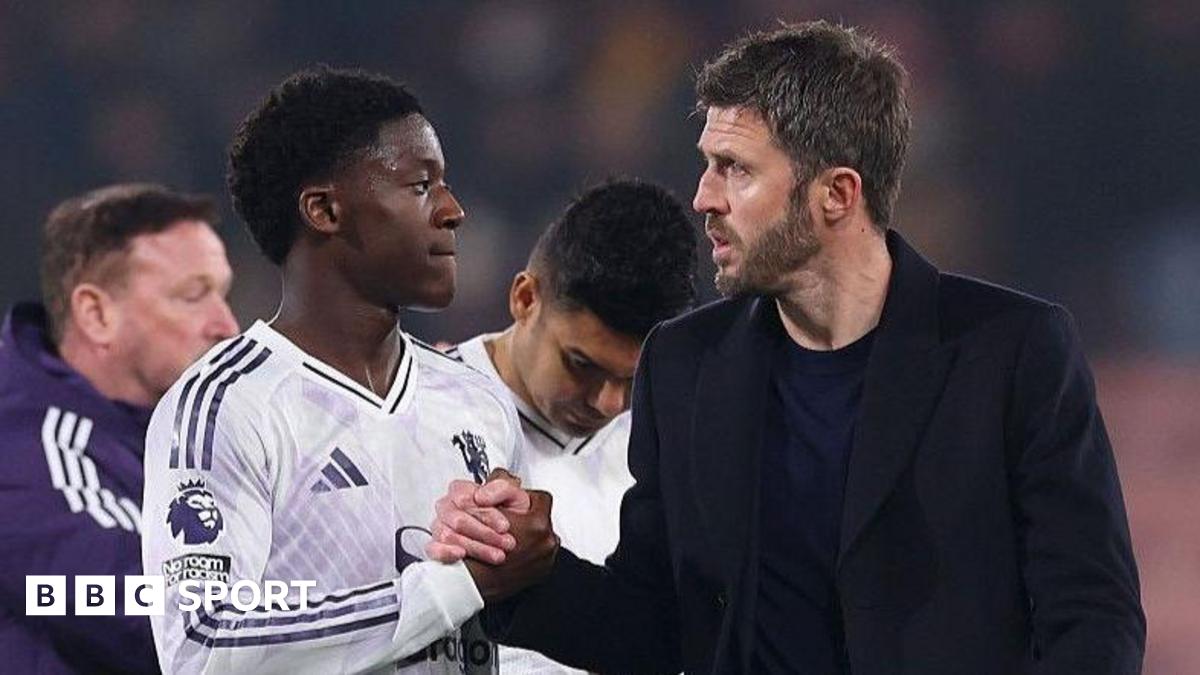
Manchester United’s summer rebuild is already leaking out into the public domain, and the priorities are clear. They must secure the homegrown talent, placate the demanding captain, and try to offload expensive mistakes before the accounting deadlines hit. The foundational piece of this sprawling puzzle is finally locked in place. Kobbie Mainoo has officially agreed to a new five-year contract, complete with a massive pay rise that accurately reflects his status as the undisputed anchor of this chaotic midfield.
It is a remarkable, almost unbelievable turnaround. Less than a year ago, under former manager Ruben Amorim, Mainoo looked dangerously close to the exit door. The tactical setup marginalized him, and rumors of a permanent departure were deafening. Now, he stands as the singular bright spot in a squad bloated with underperformers and aging legs. But securing Mainoo only solves half the problem for the INEOS regime. United are actively hunting for a long-term partner to play alongside him, acutely aware that asking a teenager to carry the transition phase single-handedly is a recipe for physical burnout.
The initial recruitment plan seemed to heavily feature Nottingham Forest’s Elliot Anderson as a direct, energetic replacement for the rapidly declining Casemiro. Anderson fit the age profile and possessed the necessary bite to win the ball back. However, reports now suggest United are preparing to back out of that particular race. The recruitment team has apparently mapped out a different strategy, balking at the premium placed on domestic talent.
There are even wild whispers circulating, fueled by ex-players in the media, suggesting a shock move for Chelsea's unsettled Enzo Fernandez. While the Argentine fits the passing profile, the financials involved make little sense for a club trying to balance the books. United don't need to look for a complicated, blockbuster answer. They just need a reliable engine who can cover ground, win duels, and progress the ball without needing a compass to find the final third.
The Bruno Ultimatum
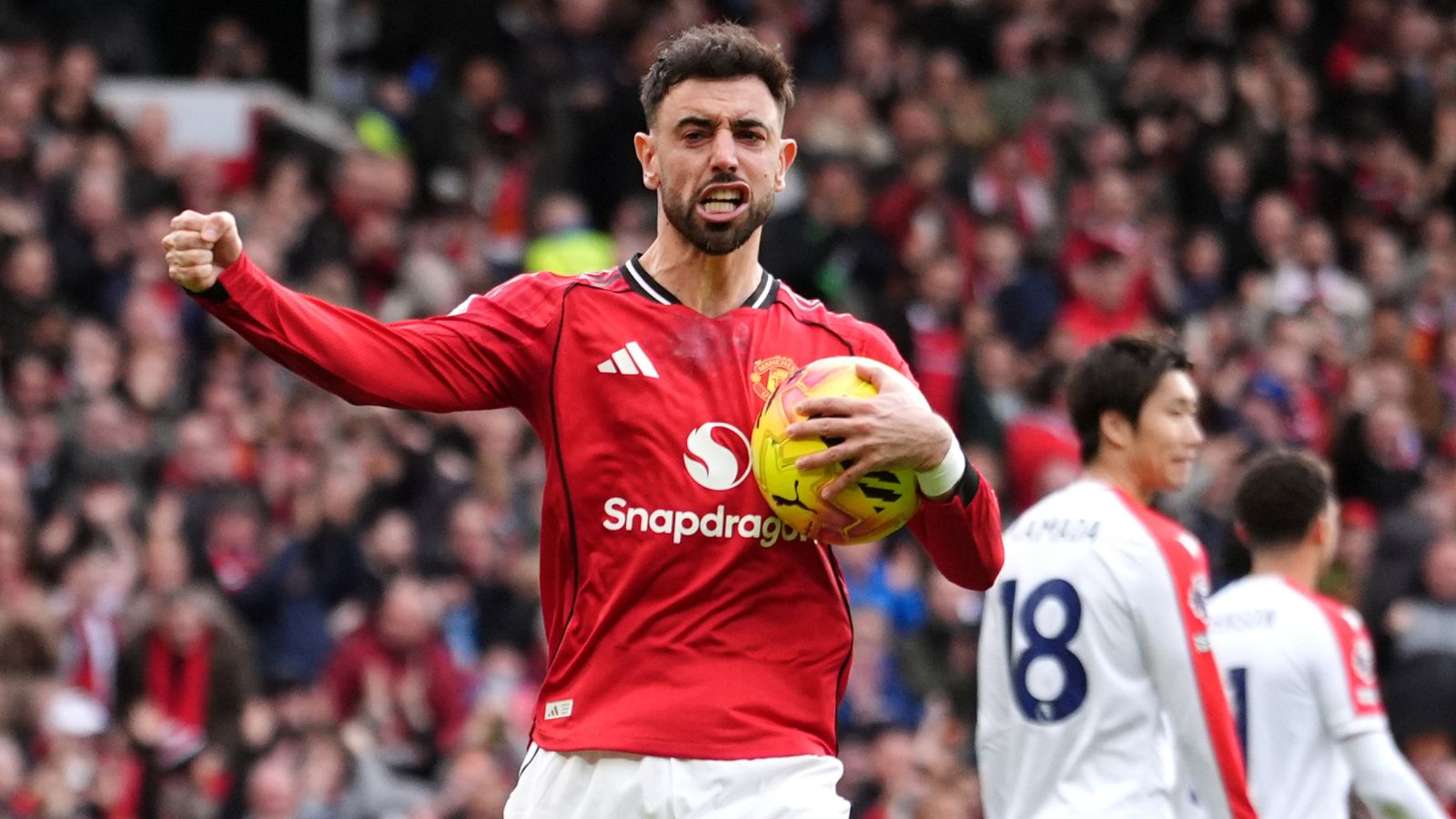
While the Mainoo extension is a public relations victory, the real anxiety inside Old Trafford centers entirely on Bruno Fernandes. The Portuguese captain has enjoyed another impressive individual season in terms of raw output, yet the structural failures around him have clearly pushed him to consider his options. Heading into the defining summer window, his future at the club is genuinely up in the air, creating a massive blind spot for the planning department.
United’s brass believe they are close to fulfilling Fernandes’ primary condition for signing a new deal. As reported by the Mirror:
"Senior figures at Manchester United are growing increasingly confident the team's recent success - and potential summer signings - will see Bruno Fernandes pledge his future to the English giants."
They are attempting to sell him a vision of immediate contention. This is where the club’s strategy looks dangerously naive and painfully familiar. Promising world-class signings is easy in late April. Executing those deals while operating under tight financial regulations and without Champions League guarantees is another story entirely. If United fail to land these two mystery targets, Fernandes will likely walk. They are essentially betting the house on a transfer window that hasn't even opened yet, run by a front office that has historically stumbled over its own feet when the pressure ramps up in July.
Creative Accounting and the Leao Swap
To fund this required ambition, United are forced to look at the murky world of the swap market. They are actively considering a move for AC Milan’s Rafael Leao, a player who would instantly inject desperate pace and directness into a heavily stagnant wide attack. Milan currently rate the dynamic Portuguese winger at roughly 50 million euros.
To offset that heavy cash outlay, United are prepared to offer up to three players as potential counterparts in the deal. Names like Joshua Zirkzee and Manuel Ugarte are reportedly being floated. It is a necessary evil for a financially constrained giant. By engaging in these complex swap deals, the club forfeits the direct financial boost of straight cash sales, but it attempts to clear the wage bill and bring in elite talent simultaneously.
This aggressive reshaping leaves several high-profile outcasts in total limbo. Marcus Rashford’s situation is perhaps the most pressing. He is currently waiting to see if Barcelona will turn his temporary status into a permanent deal. If the Catalan club passes—which seems increasingly likely given their own financial mess—Rashford faces a serious dilemma upon returning to Carrington. He has been told by advisors that he is "absolutely an Arsenal player" in terms of tactical fit, ready to operate in the half-spaces for Mikel Arteta. However, Arteta has been publicly warned by pundits about the significant baggage and inconsistency that comes with the forward. The fact that a prime academy product, once viewed as untouchable, is being shopped around like a distressed asset is a damning indictment of United's player development and asset management over the last five years.
Managerial Limbo Complicates Everything
All of these grand, sweeping plans are being constructed on a remarkably shaky foundation. Who is actually going to coach these players? Michael Carrick currently sits in a position of strength regarding the permanent head coach role, largely by virtue of simply being in the building, stabilizing the ship, and not being the previous guy. But he is far from a lock for the permanent seat.
Gary Neville has publicly raised huge new concerns over handing his former teammate the full-time job. The logic behind the skepticism is sound. Handing a massive squad rebuild and a significant transfer war chest to a relatively inexperienced manager is exactly the kind of romantic gamble United have lost repeatedly since Sir Alex Ferguson retired. They need ruthless competence, not another nostalgic experiment.
It remains entirely baffling that United are reportedly targeting defined tactical profiles without a permanent manager confirmed to lead them. You cannot buy the groceries without knowing what the chef actually wants to cook. If Carrick doesn't get the job, the next manager might take one look at Leao or the proposed midfield targets and demand an entirely different direction, leaving the club with another batch of expensive, mismatched parts.
This deep-rooted dysfunction isn't limited to the men's side, either. The WSL operation is facing its own miserable summer of discontent. Veteran winger Leah Galton is set to leave the club, a massive blow to the women's team's attacking output. Meanwhile, under-fire manager Marc Skinner stubbornly clings to his position.
"Manager Marc Skinner says he has 'no doubts' that he remains the best man for the job at Manchester United, despite criticism from fans."
Across the board, from the men's first team to the WSL setup, Manchester United looks exactly like a club hoping that throwing money, new contracts, and blind optimism at glaring structural problems will finally make them disappear.