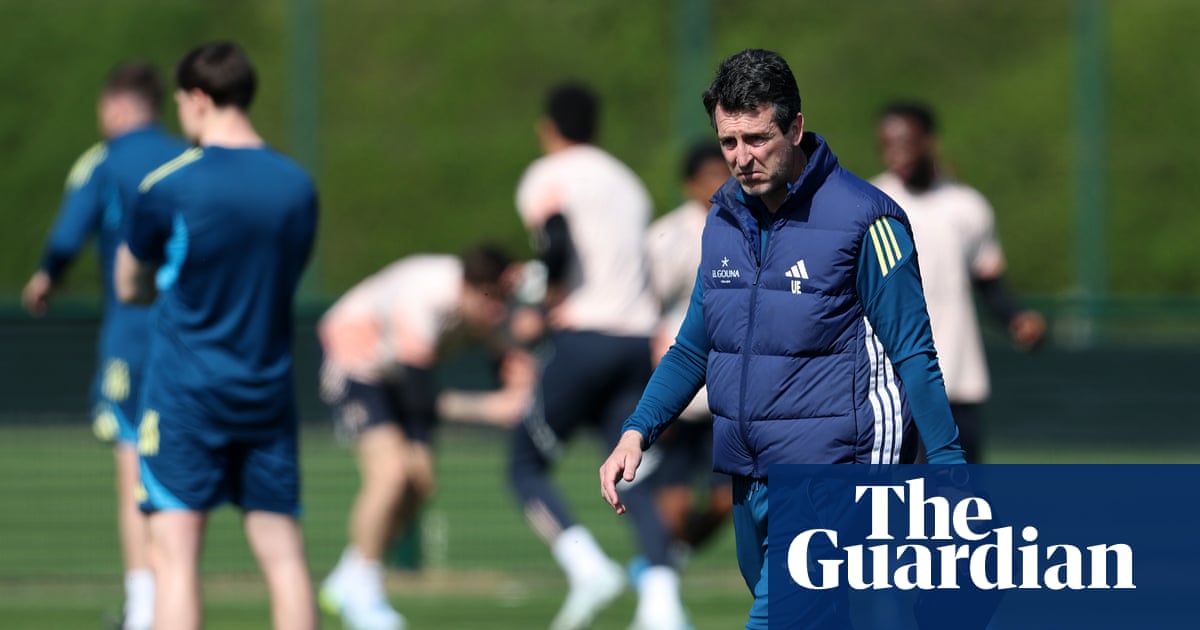
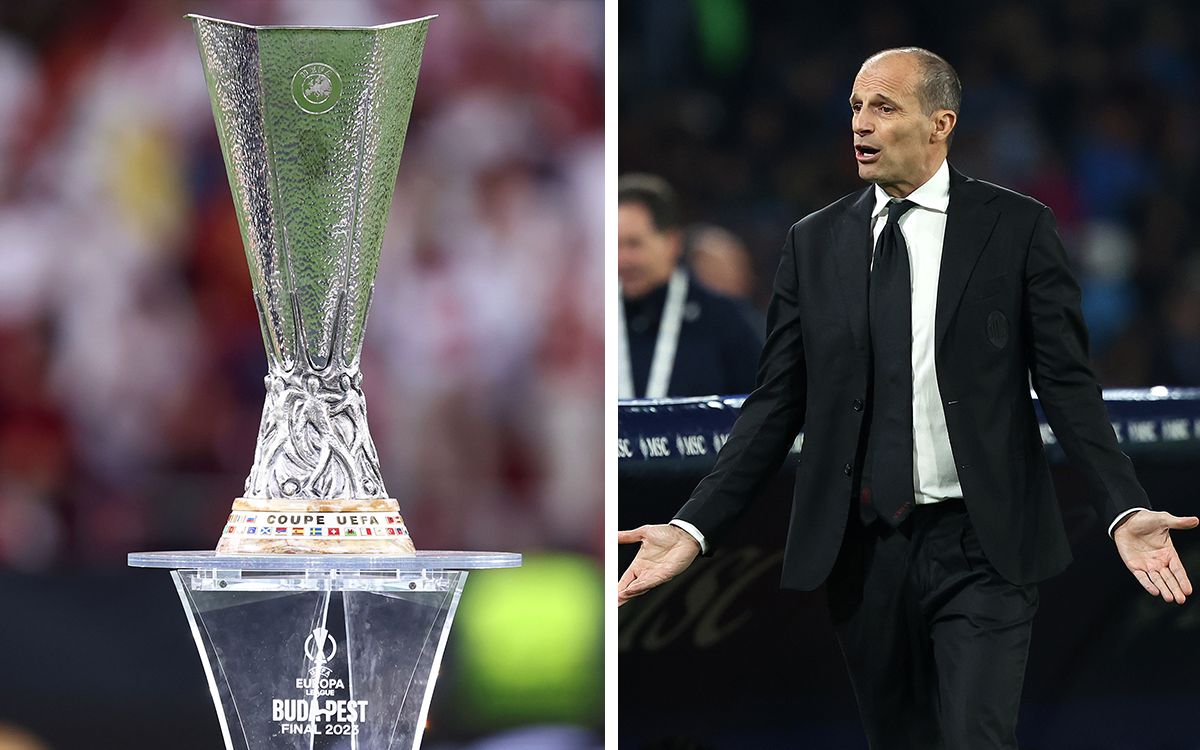
The Emery blueprint arrives at the Dall'Ara
Unai Emery doesn't just manage European knockout ties; he deconstructs them. As Aston Villa prepare to step onto the turf at the Stadio Renato Dall'Ara, the tactical preparation will have been exhaustive. We aren't looking at a standard Premier League away day. This is a specialized operation designed to nullify an Italian side that thrives on positional fluidity.
Bologna have become the surprise package of the continent, but they are about to face a team that treats the Europa League like its own personal laboratory. Villa’s 4-4-2 mid-block is deceptive. It looks rigid on paper, yet it functions like a trapdoor. They invite pressure, compress the space between the lines, and wait for the precise moment to trigger a vertical transition.
The Italians will try to dominate the ball. It is what they do. But possession without penetration is exactly what Emery wants. He is happy to concede 60% of the ball if it means his backline remains untested and his outlets stay primed for the counter. This isn't about style points; it is about clinical efficiency in a two-legged environment.
The high line and the gambler's debt
Villa's defensive strategy is built on a high line that would make most traditional coaches break out in a cold sweat. It requires a level of synchronization that most teams simply cannot achieve. Diego Carlos and Pau Torres must operate as if they share a single nervous system. One half-step out of sync and the trap fails.
This is where the risk lies. Bologna possess runners who specialize in the curved run, looking to exploit the blind side of the full-backs. If Villa’s timing is off by a fraction of a second, the night could turn ugly very quickly. It is a gambler’s debt that Emery is willing to pay, knowing that the reward is a suffocating offside trap that destroys the opponent’s rhythm.
We have seen this line breached before. In domestic football, teams with elite pace have occasionally found the key. Bologna don't necessarily have a world-class sprinter, but they have intelligent movers. The battle will be won in the split-second before the pass is played. If Villa’s midfield can't put pressure on the ball-carrier, the defensive line is essentially a firing squad waiting for the trigger.
Midfield mechanics and the McGinn factor
John McGinn is the heartbeat of this tactical setup. His role isn't just about energy; it is about spatial awareness. He often drops into a deeper pocket to allow the full-backs to push high, creating a temporary back three during the initial phase of build-up. This flexibility is what makes Villa so difficult to press effectively.
Bologna will likely target Douglas Luiz. They know that if they can isolate the Brazilian, they can cut off the supply line to the front two. Expect a heavy man-marking job in the central third. But this is where Villa’s width becomes a weapon. Leon Bailey’s ability to hug the touchline and then explode inward forces the Bologna left-back into a constant state of indecision.
The numbers don't lie. Villa’s pass completion rate in the final third sits at 84% when they successfully navigate the initial press. They don't waste chances. When they get into the zone, they are surgical. This isn't a team that relies on volume shooting; they rely on high-value opportunities created through disciplined movement.
Why Bologna's wide overloads represent a threat
The Italian side focuses heavily on creating 3-v-2 situations on the flanks. They use their central midfielders to drift wide, pulling the Villa wide-men out of position. It is a sophisticated way to stretch a compact block. If Matty Cash or Lucas Digne find themselves isolated, Emery will have to adjust his shape mid-game.
There is a recurring weakness in Villa’s transition when they lose the ball high up the pitch. The space behind the advancing full-backs is often a vacant lot. Bologna’s wingers are coached to hit those areas immediately. It is a direct, vertical response to a team that wants to play the game in the middle third.
Critical observation is necessary here: Villa can be arrogant. There is a fine line between tactical confidence and complacency. In earlier rounds, we saw moments where the intensity dropped, and they allowed inferior opponents to dictate the tempo for 15-minute spells. Against a side like Bologna, a 15-minute lapse is enough to end a European campaign.
The Watkins-Bailey axis of destruction
Ollie Watkins is playing the best football of his career because he has stopped trying to do everything. He no longer drifts into channels just for the sake of it. He occupies the center-backs, keeps them pinned, and waits for the delivery. His expected goals (xG) per 90 minutes has stayed consistent at 1.85 throughout this European run.
Leon Bailey provides the chaos. If Watkins is the surgeon, Bailey is the power surge. His first touch is designed to beat the first man, not just control the ball. This aggression forces Bologna’s defensive line to drop deeper than they would like, which in turn creates the space for McGinn and Tielemans to operate.
If Bologna sit deep, they play into Villa's hands. If they push high, they risk getting burned by Bailey’s pace. It is a tactical catch-22. The only real solution for the Italians is to turn the game into a physical scrap, disrupting the flow and hoping for a set-piece breakthrough. But even then, Villa’s height advantage in both boxes is significant.
Managing the Dall'Ara cauldron
The atmosphere in Bologna will be hostile. The fans know this is a generational opportunity. Villa have to navigate the first 20 minutes without conceding. If they can quiet the crowd by keeping 42% of the ball in the middle third, they will drain the energy out of the stadium. It is a psychological game as much as a tactical one.
Emery will likely instruct his players to take their time with every goal kick and throw-in. It is the dark art of European football. Slow the game down, minimize the number of turnovers, and wait for the opposition to overextend. It isn't pretty, but it is how trophies are won. Villa have the maturity now to execute this kind of cynical game plan.
One negative note: the lack of rotation in the squad could be a factor. The Premier League schedule has been relentless. If we see heavy legs in the 75th minute, Bologna’s bench could prove decisive. Villa’s depth is better than it was, but the drop-off from the starting XI to the substitutes is still noticeable in high-pressure scenarios.
A confident prediction for the first leg
Bologna will start with incredible intensity, backed by a home crowd that senses an upset. They might even find the net early through a well-worked wide overload. However, Villa’s composure under Emery is their greatest asset. They don't panic. They will absorb the pressure, wait for the Italian press to tire, and then strike with clinical precision.
I expect Watkins to find joy against a Bologna backline that hasn't faced a striker of his movement and intelligence this season. The game will be decided by a moment of transition in the second half. Villa are too well-drilled to lose their shape over 90 minutes, and their superior quality in the final third will ultimately tell.
This won't be a blowout. It will be a gritty, tactical arm-wrestle that favors the side with the more experienced manager. Villa will return to Birmingham with the advantage, having executed a professional European away performance that underlines their status as tournament favorites.
My call: Aston Villa to navigate the storm and clinical finishing to carry the day. They are simply a more mature footballing entity at this stage of their development. The 2-0 scoreline in the source isn't an accident; it's the result of a system that works.
Read Next
- Villa fans are losing their minds as VAR saves the day in Bologna
- Villa fans need to wake up before Bologna ruins their European dream
- Unai Emery isn't letting Aston Villa ignore the Bologna threat
- Arne Slot’s Salah gamble just blew up in Liverpool's face at the Parc des Princes
- 🏆 Europa League Final 2026 — Full Coverage Hub