Vinicius Jr delivers a reality check for Brazil against Morocco
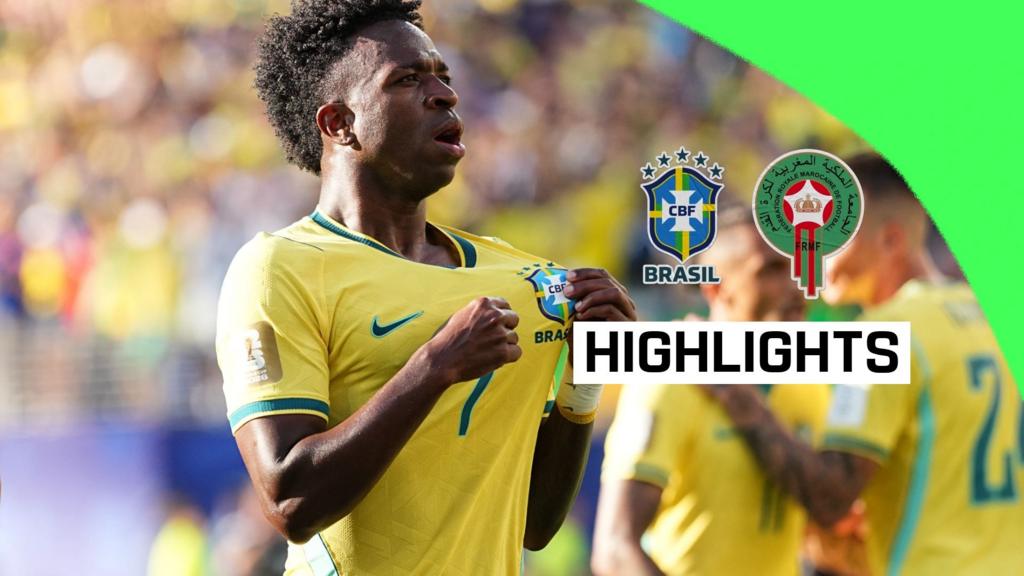
Tactical paralysis in New Jersey
The fixture at MetLife Stadium on June 14, 2026, was supposed to be a showcase of Brazilian fluidity. Instead, the match against Morocco served as a cold reminder that individual brilliance is occasionally the only thing preventing a tactical disaster. The 1-1 draw was not a showcase of a cohesive unit, but rather an ode to the singular output of Vinicius Jr.
Brazil spent the opening 45 minutes moving the ball with a predictability that would frustrate any manager. Their build-up play lacked the verticality that defined previous cycles, opting instead for horizontal shuttling across the middle third. When they did look for an opening, the spacing between the midfield pivot and the front three remained dangerously wide, allowing Morocco to collapse on possession whenever Brazil attempted to feed the strikers in the half-spaces.
The individual brilliance tax
The goal that leveled the scores was not the output of a drilled system. It was a chaotic scramble turned into a moment of genius by Vinicius Jr. Collecting the ball near the left touchline, he bypassed two defenders with a sudden change of pace before threading a finish past the goalkeeper. It was the kind of moment that masks the fact that the preceding 60 minutes offered very little in terms of creative structure.
For the neutrals watching at MetLife, the goal was a highlight-reel moment. For the tactical observer, it was alarming. Relying on an isolated winger to drift inside and manufacture space against a organized defensive block is not a sustainable model for a tournament run. As the footage shows, the lack of support runs from the central midfielders meant that Vinicius had to take on an entire backline alone.
Midfield stagnation and defensive gaps
The structural flaws were most evident when Brazil lost possession. With the full-backs pushed high to compensate for narrow wingers, the counter-attacking lanes were wide open. Morocco identified this trigger early, exploiting the space behind the defensive line with long, direct balls that bypassed the Brazilian press entirely.
The defensive transition was, frankly, lazy. We saw center-backs stranded in 1-on-1 scenarios far too often because the defensive screen failed to recover. When you concede 1.4 xG against a team that refuses to dominate possession, the math suggests your tactical shape is not just porous—it is compromised. The reliance on individual defensive recovery saves rather than team-wide defensive discipline is a habit that ends careers in knockout football.
Defining the Riddle shift
While the focus remains on the pitch, I cannot help but draw a parallel to the recent aesthetic shift in sports performance culture. Much like Matt Riddle’s recent decision to shed his long hair, teams often feel the need to signal a transformation after a period of stagnation. Riddle’s new look is a signal of a shift toward a more serious, focused persona. Brazil, conversely, appears to be holding onto old habits despite the need for a total tactical reset.
We are seeing too many instances where the talent is expected to do the heavy lifting. The manager’s inability to adjust the press during the second half suggests an insistence on a plan that had clearly been neutralized. If this team expects to compete at a high level, they must move away from the expectation that a single moment of individual magic can be counted on in the 88th minute of every match.
Innovation requires more than just replacing personnel or changing a haircut—it requires a fundamental shift in how space is occupied. Brazil has the personnel to dominate these transitions, but until they reconcile their defensive spacing with their attacking ambitions, they will continue to struggle against organized mid-blocks. One wonder goal does not excuse a stagnant performance.
Read Next
- Brazil vs Morocco was a beautiful, chaotic mess
- Brazil need a structural overhaul after their Morocco nightmare
- Vinicius Jr injury clouds Brazil's World Cup campaign
- Brazil's World Cup opener against Morocco is a tactical minefield
- 🇧🇷 Brazil World Cup 2026 — A Seleção Hub
- 🇲🇦 Morocco World Cup 2026 — Atlas Lions Hub
EA SPORTS FC 25 Standard Edition
The definitive football gaming experience for PS5.
Frequently Asked Questions
What caused Brazil’s 1-1 draw against Morocco?
How did Vinicius Jr influence the match result?
Why did Brazil struggle defensively against Morocco?
What tactical issues were identified in Brazil’s build-up play?
Why is Brazil’s reliance on individual players considered unsustainable?
More Coverage
Brazil vs Morocco was a beautiful, chaotic mess
2 hours ago
Top 10: Defining Football Moments
2 hours ago
Brazil need a structural overhaul after their Morocco nightmare
2 hours ago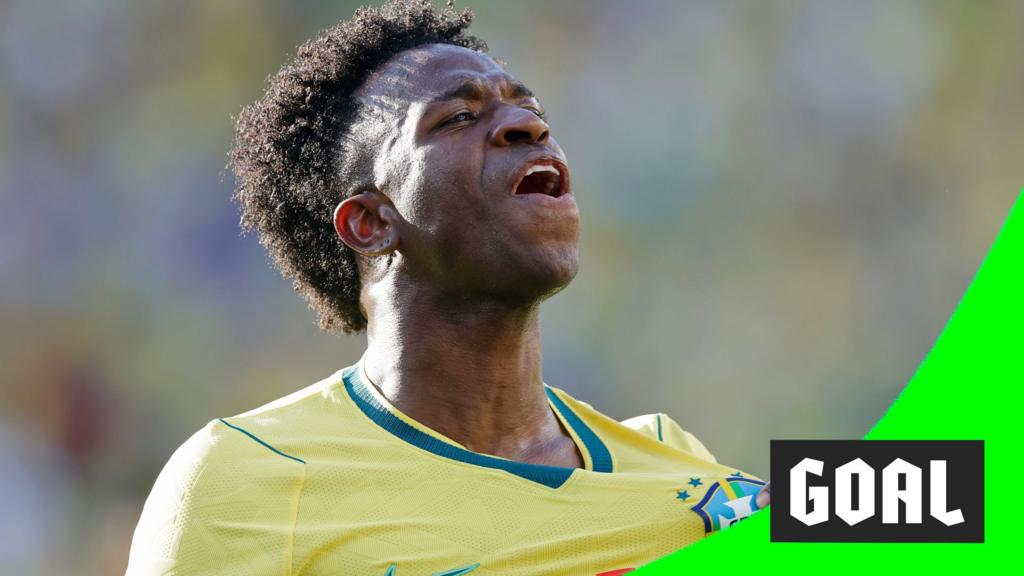
Vinicius Jr injury clouds Brazil's World Cup campaign
2 hours ago
Top 10 Football Moments: The Defining Sequences of the Season
3 hours agoBrazil's World Cup opener against Morocco is a tactical minefield
3 hours agoMore Analysis
Top 10: Iconic Moments in International Football
55 minutes ago
VAR technology failures loom over the Qatar and Switzerland rematch
56 minutes agoScotland’s path to the World Cup starts with a massive headache
56 minutes ago
Steve Clarke's Scotland finally broke the glass ceiling
an hour ago
Gary Neville just nuked the VAR booth from orbit over the Swiss goal
an hour ago