Steve Clarke's Scotland finally broke the glass ceiling

Tactical pragmatism meets tournament intensity
For decades, following the Scotland national team felt like an exercise in delayed gratification. We spent cycles cataloging near-misses and defensive collapses in the final third. But under Steve Clarke, the narrative has shifted away from the fatalist tragedy of the past twenty years. This iteration of the squad is not merely relying on grit; they have developed a tactical discipline that survives the heat of international tournament football.
The current setup relies on a disciplined back three that allows the wing-backs to push into attacking channels without abandoning the defensive line. Clarke has leaned into this structure to mask the absence of elite, high-volume strikers. Instead, the load is distributed across the midfield, with ball retention becoming the primary defensive mechanism. It is a cynical, effective way to control games that Scotland previously would have surrendered in the final 15 minutes.
The midfield engine that actually works
Comparing this group to the teams of the 2010s reveals a massive discrepancy in technical floor. We are no longer watching a side that kicks long out of desperation. The midfield rotation now dictates possession in ways that allow the team to breathe during transitions. The shift is most obvious when watching how they handle high-press scenarios; they circulate the ball through the center rather than launching it toward a lone target man.
As reported by Sky Sports, the transition to this tournament stage has brought a stability that feels permanent rather than accidental. The squad has learned to manage the intensity of the game, avoiding the reckless challenges that plagued earlier qualifiers. While the reliance on a specific core remains a valid concern regarding injury depth, the current cohesion is undeniable. Players once deemed squad-fillers are now executing assignments with binary precision.
The cracks in the armor
Not everything is perfect under the hood. There is a glaring lack of individual flair in the extreme final third, which can lead to sterile dominance. If the opposition sits deep, the lack of a creative number ten who can break lines with a singular piece of magic becomes painfully apparent. Scotland creates plenty of angles, but they often lack the decisive pass that turns a 60% possession share into a comfortable 2-0 lead.
This is where the project might stall. Relying on hard work and structure is sufficient to reach a tournament, but moving deep into the knockout rounds usually requires someone who can manufacture a goal from an ugly phase of play. Clarke has built a machine, but the machine lacks a high-octane striker capable of punishing elite defenses on half-chances. If they draw a team with a clinical finisher, the lack of a lethal edge at the front could see them exit despite technically outplay their opponents.
Measuring success by the decade
The significance of this growth cannot be overstated. We are moving beyond the era of MANGOS-style corporate dominance in other sectors, and in football, we are seeing the benefit of patience with a manager. Clarke has stayed the course, endured the criticism of early qualifying cycles, and refined his personnel. The current 135-day lead-up to their next major test will define whether they go in as a competitive entity or just another team making up the numbers.
The fans have noticed the difference too. The atmosphere has evolved from nervous energy to a genuine expectation of competitiveness. If they manage to secure a result in their opener, the psychological barrier of tournament qualification anxiety will officially be in the rearview mirror. Scotland finally seems to be playing like an established nation again, proving that tactical identity is worth more than a handful of individual stars who clash in the dressing room.
Read Next
- Scotland is ready to end the misery
- Scotland are walking into a Haiti minefield and the fans know it
- Scotland are back at the World Cup table after 28 years of misery
- Scotland are walking into a tactical nightmare in Boston
- 🏴 Scotland World Cup 2026 — Tartan Army Hub
- 🇧🇷 WC 2026 Group C — Brazil, Morocco, Scotland, Haiti
Adidas Unisex-Adult MLS League Soccer Ball
A durable, high-quality ball perfect for weekend pickup games.
Frequently Asked Questions
How has Steve Clarke improved the Scotland national team?
What is the primary defensive strategy under Steve Clarke?
What tactical issue does the squad face in the final third?
Why does the team struggle to compete with elite tournament defenses?
How has the midfield performance changed compared to previous decades?
More Coverage
Scotland’s path to the World Cup starts with a massive headache
5 minutes ago
Scotland’s path to the knockout stages begins with a tactical puzzle in Haiti
an hour ago
Scotland is ready to end the misery
3 hours ago
Scotland are walking into a tactical nightmare in Boston
4 hours ago
Scotland heads into their World Cup opener with everything to prove
5 hours ago
England’s kit heist is the most embarrassing start to a World Cup ever
10 hours agoMore Analysis

Scotland are back at the World Cup table after 28 years of misery
13 hours ago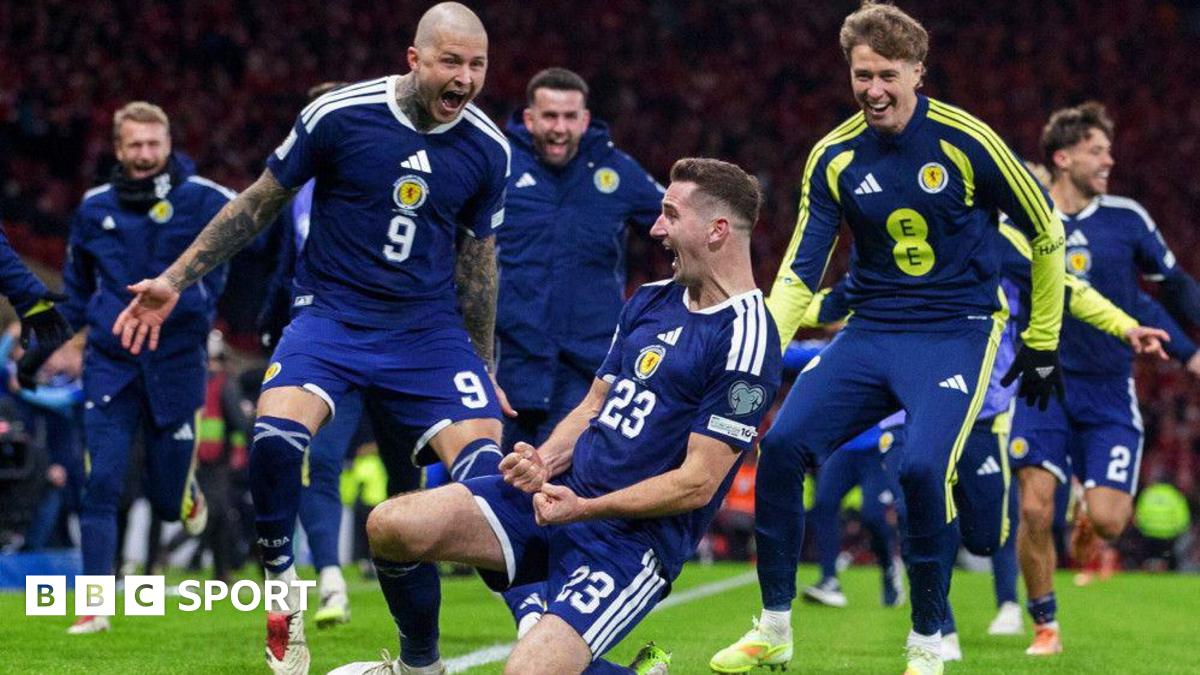
Steve Clarke's tactical masterclass that dragged Scotland to the World Cup
2 months, 2 weeks ago
Steve Clarke's Scotland gamble is a dangerous game
2 months, 1 week ago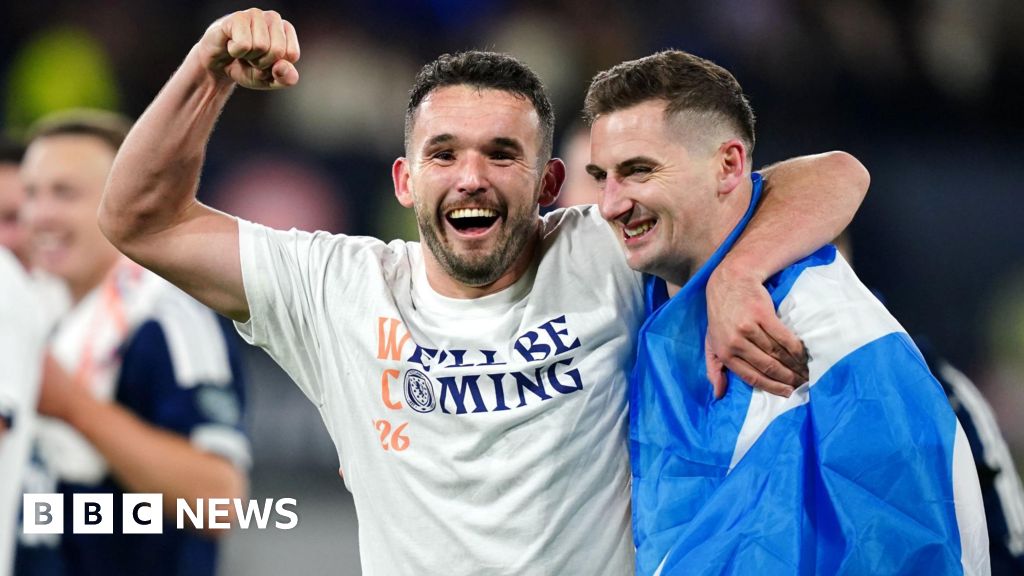
Scotland's World Cup shutdown masks Steve Clarke's attacking problem
1 month, 2 weeks ago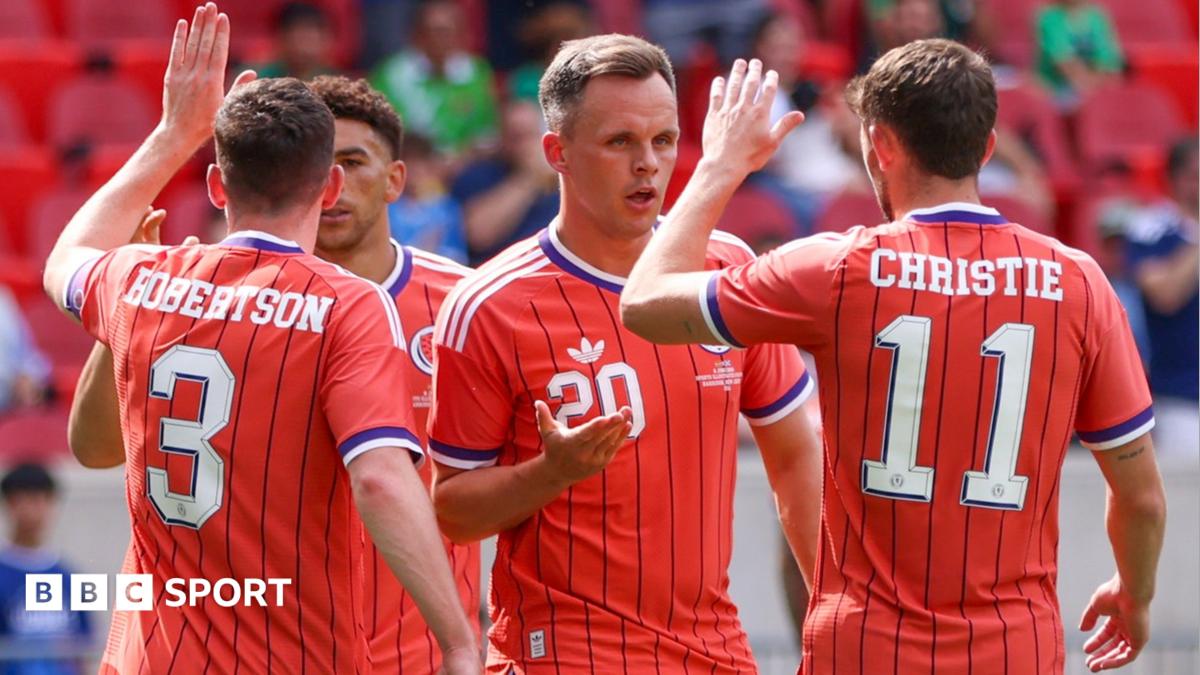
Lawrence Shankland is the tactical gamble Scotland cannot afford to miss
1 day, 14 hours ago