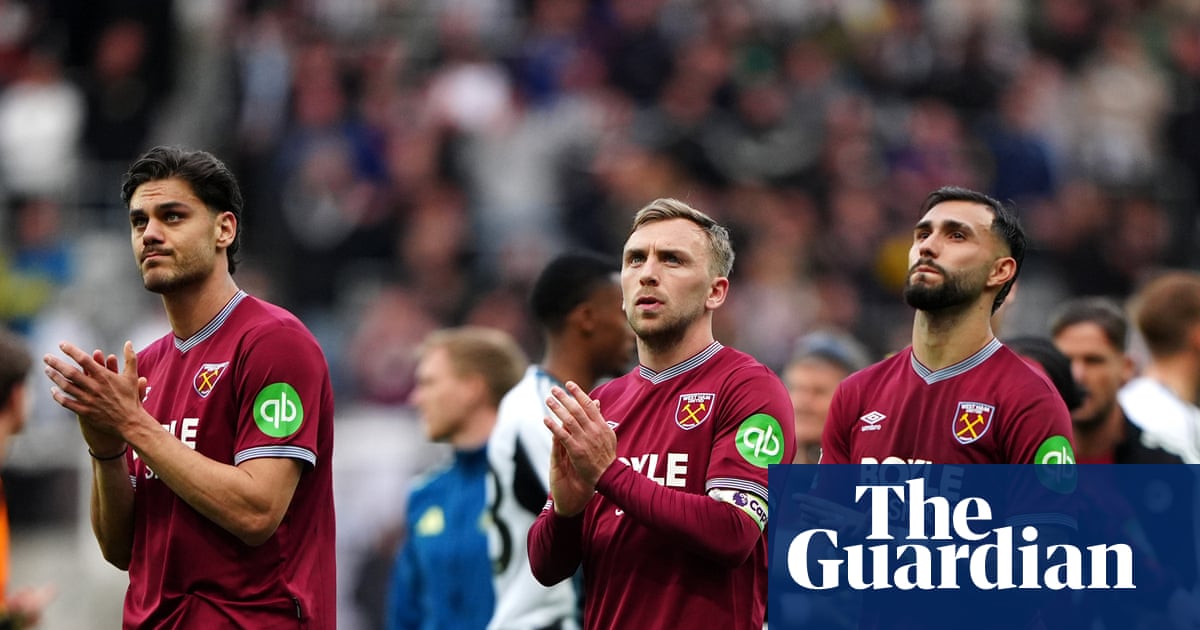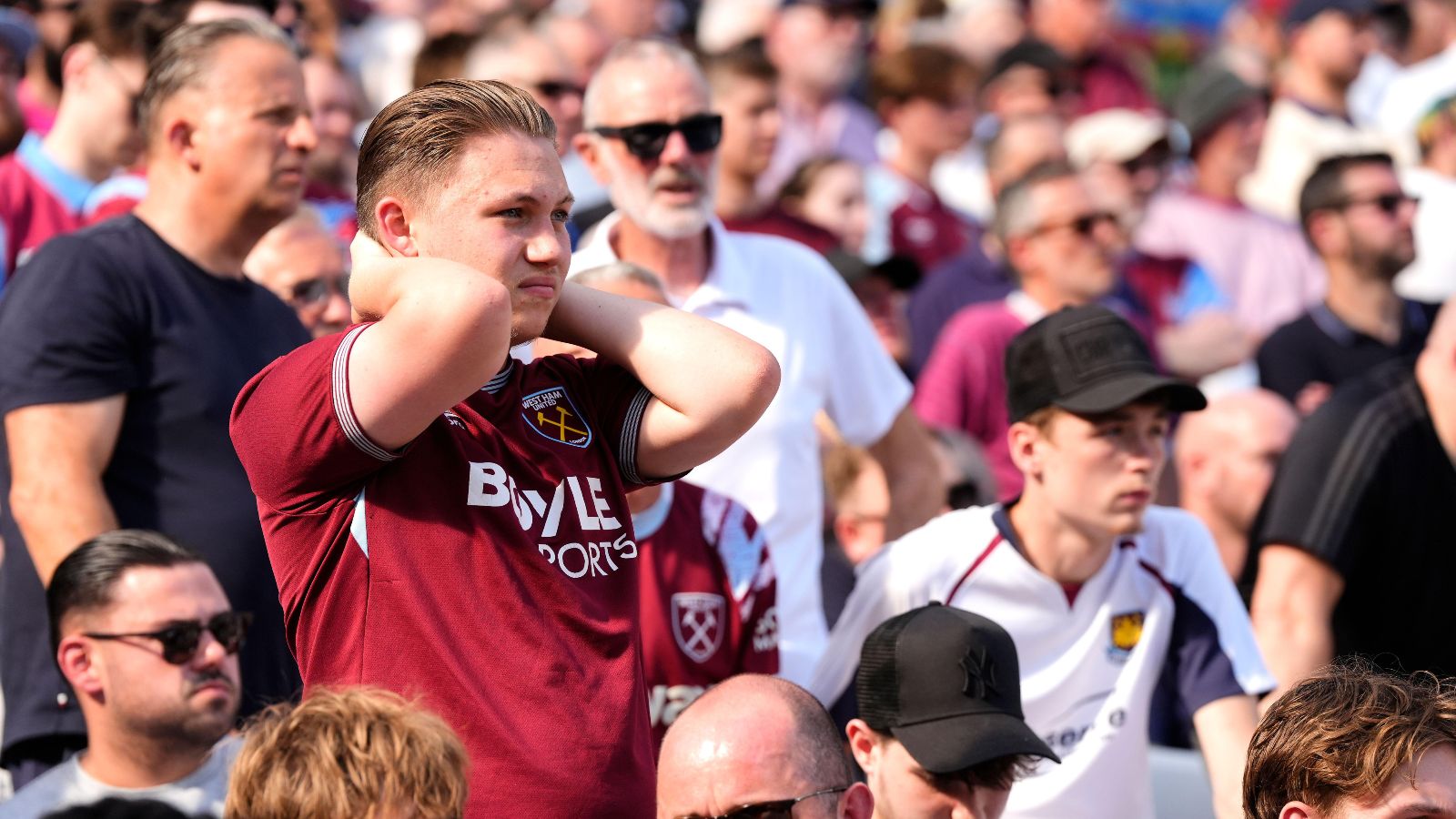
The Hammers are sinking and the fanbase is a mess
So, the inevitable finally happened. West Ham United have tumbled out of the Premier League, and watching the final day unfold was like observing a slow-motion car crash where the driver had checked out of the vehicle back in 2022. As Jacob Steinberg pointed out, the decay at the top is so advanced it’s practically a structural engineering project in reverse.
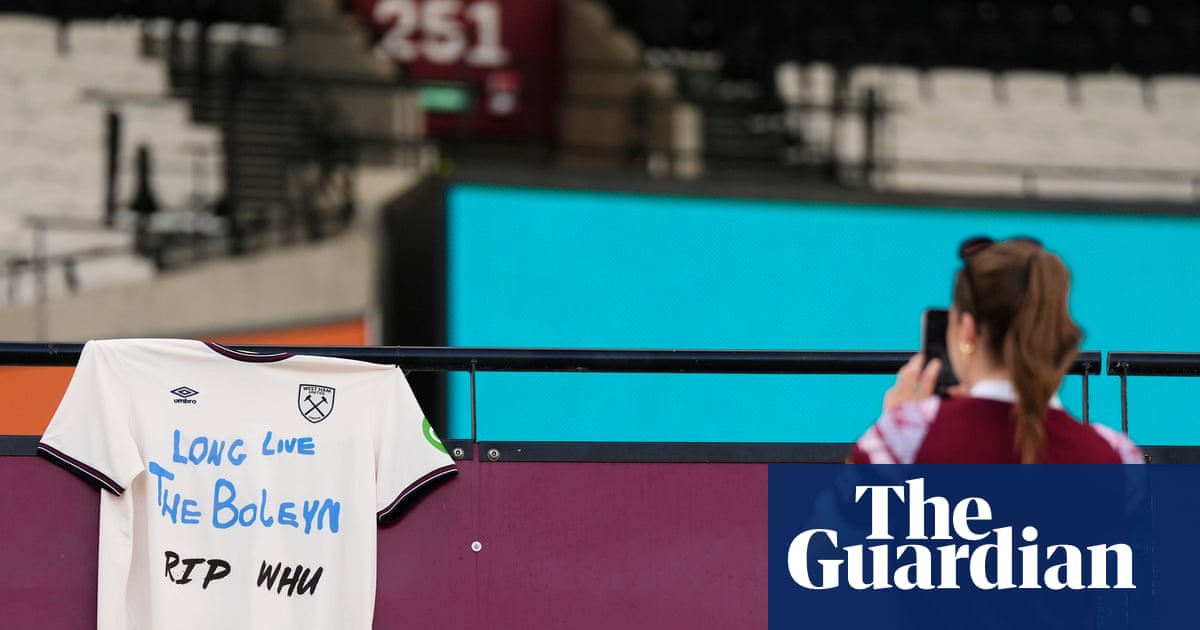
The mood online is exactly what you expect when a club with a budget and history like this hits the Championship. Some fans are burning digital jerseys, some are checking out for the foreseeable future, and the rest are just stuck in that weird, numb state of post-relegation bargaining.
The front office is catching absolute hell
If you head over to the forums today, you won’t find many people defending David Sullivan. The consensus is that this wasn't just a bad season or a streak of rotten luck; it was a curated disaster. Supporters are pointing to the lack of long-term vision, often citing that the team has felt like a rudderless ship since the post-2022 period.
One recurring sentiment in the match threads captures the bitterness perfectly: "We watched the signs for years and were told we were overreacting. Turns out, the board was just allergic to basic competence." Another fan added, "It wasn't even a surprise on Sunday. It was just the final checkbox in a three-year descent into irrelevance."
The footballing misery
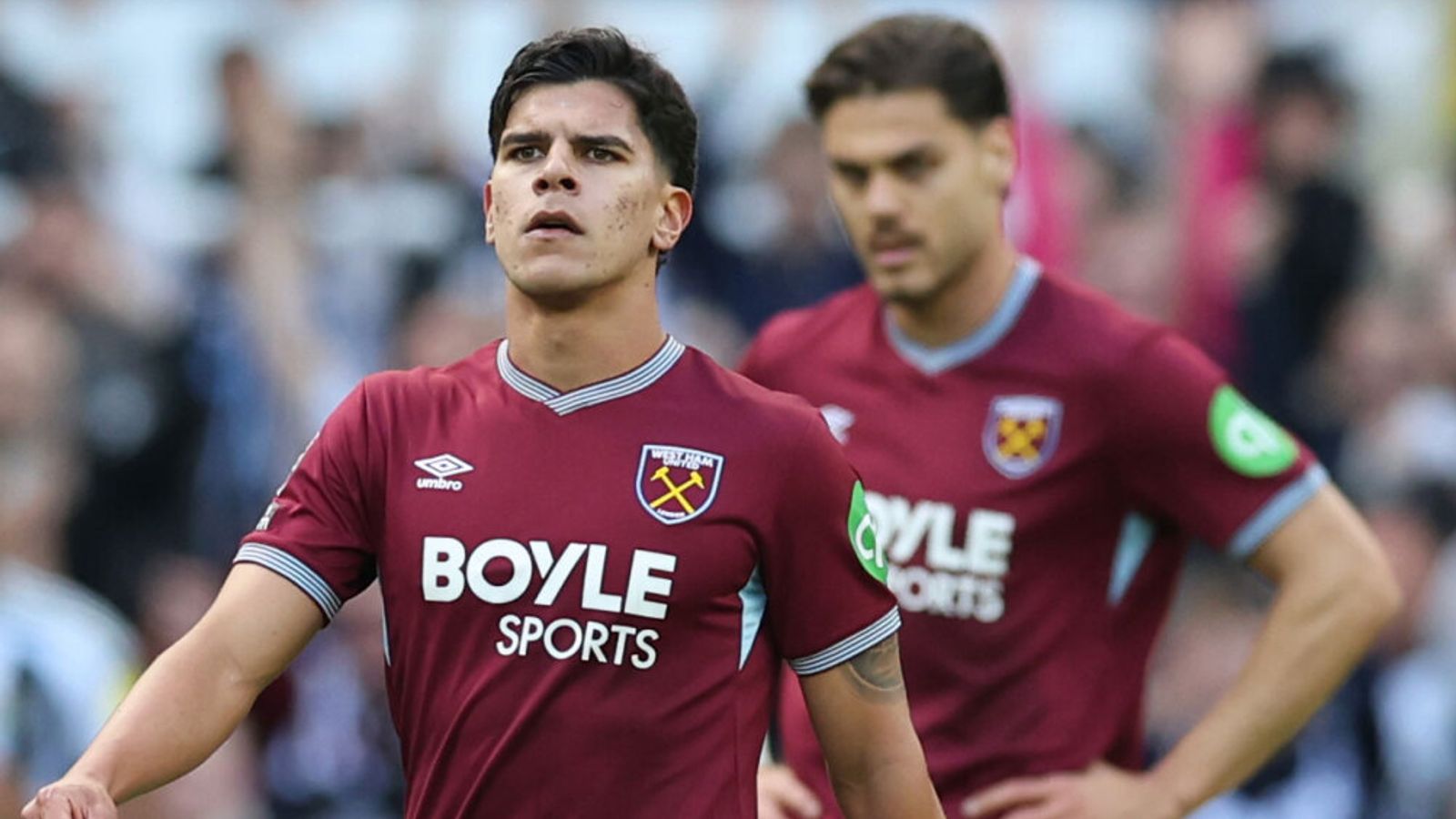
It’s hard to ignore that final day display. Barney Ronay touched on the irony of the team finally showing some grit when it was already too late to matter. Showing up to fight in the 90th minute of a season-long failure is the ultimate troll job for the away support.
There is a massive divide between the folks who want to scrap the entire club culture and those who are just mourning the loss of a top-flight fixture. One contrarian thread actually argued that dropping down could be a "cleansing fire" for the squad. Most people responded to that with standard Reddit cynicism, mostly involving references to Leicester’s recent wobbles as a cautionary tale of how bad things can actually get.
My take: The board is the rot
Look, I get the frustration. Supporters are tired of being treated like a business asset in a shopping-centre annexe. When you look at the track record of owner management versus fan expectation, the gap is wider than a stadium tunnel.
The strongest argument isn't even about the players on the pitch. You can blame a defensive collapse in the 82nd minute or a missing striker, but that’s just ignoring the source of the toxicity. The board ignored the red flags for years, essentially gambling on survival while everyone else was investing in modern scouting and tactical agility. When ownership treats a storied club like a side-hustle, eventually the math catches up to them.
People are rightfully furious because their weekend plans, their identity, and their literal ticket prices are tied to the whims of people who seem to think football is just a spreadsheet with more shouting. This wasn't a fluke. It wasn't the opposition just being better on the day. It was institutional rot.
What happens next?
The skeptics are winning this debate. There’s very little belief that a quick fix is coming. The comparison to Leicester City is being hammered home in every discord channel for a reason. Once you stop being a Premier League club, the financial reality of the Championship hits you like a truck, and the players you need to keep usually have escape clauses that are about to trigger.
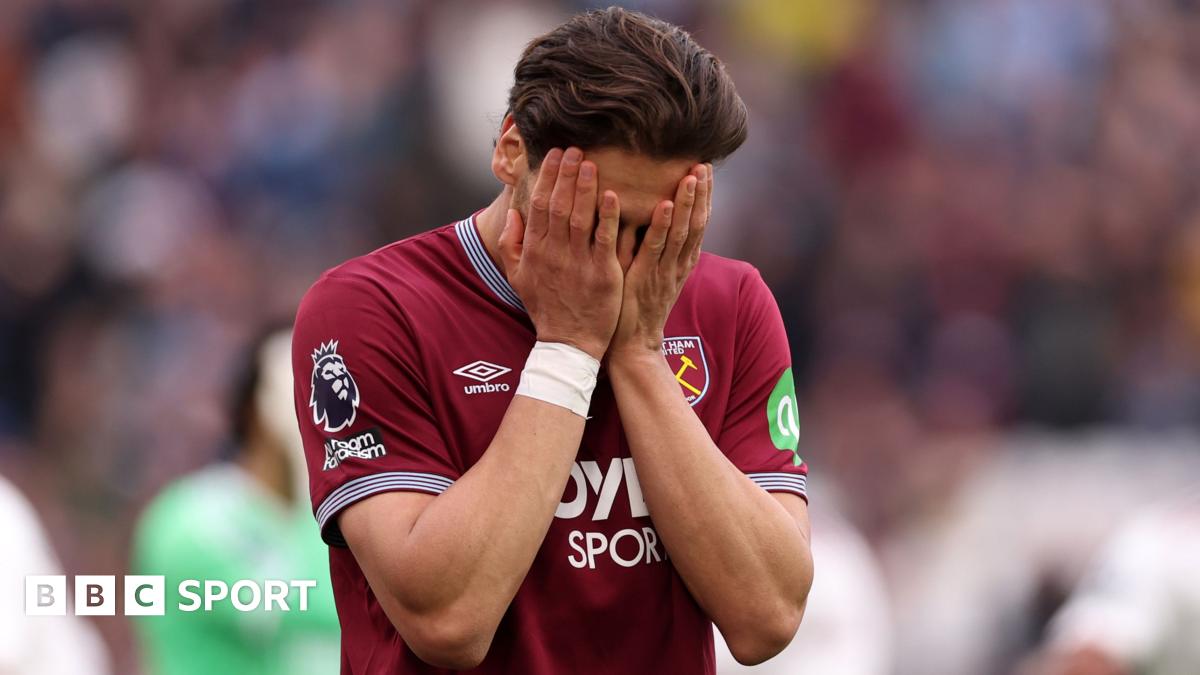
As Football365 noted, the emotional toll on the fans is the real casualty here. You can replace a manager, you can sell a winger, but you can’t replace trust once it’s been lit on fire. The management better have a massive, concrete plan for a rebuild by the time the squad reports for pre-season training.
If they try to spin this as a "reset" without actually changing who holds the keys, the anger is going to make the final day protests look like a polite tea party. I’m giving the current ownership zero room to breathe. They failed, they stayed too long, and now they have to see what it’s like to manage life in the second tier. It’s not going to be pretty, and quite frankly, it’s going to be a fascinating, albeit painful, watch for the rest of us.