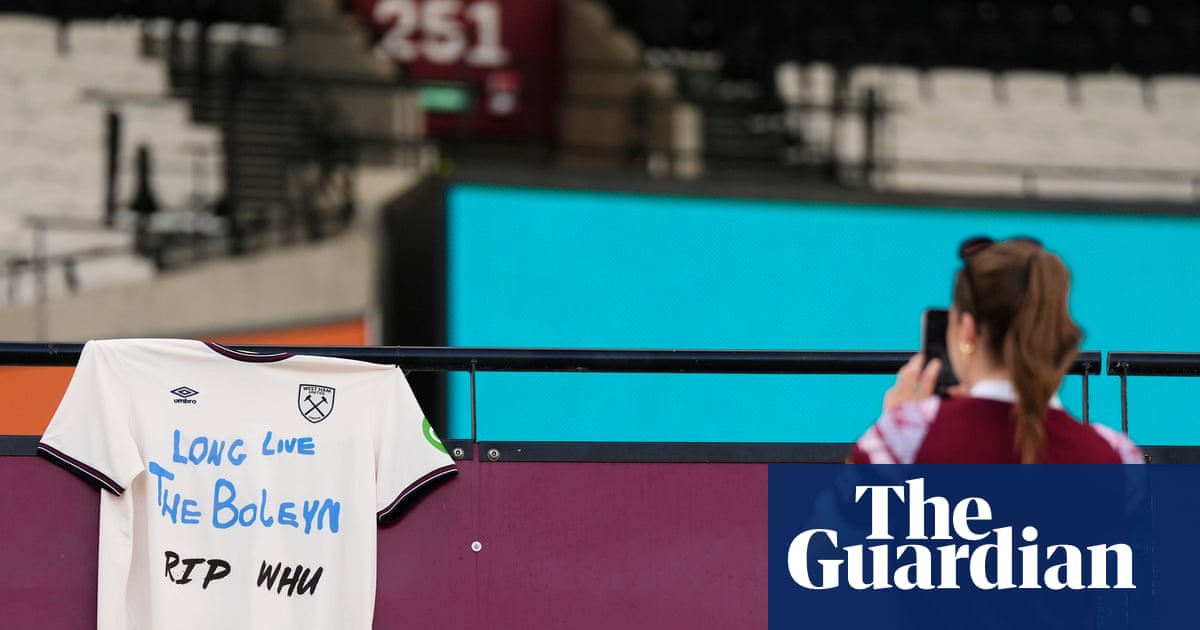
The collapse at London Stadium
West Ham United’s descent from European football contenders to the Championship is not a case of bad luck or refereeing decisions. It is a mathematical certainty born from an inability to adapt when the opposition figured out their predictable transition play. With the drop now confirmed as of May 25, 2026, the data shows a squad that lost its primary identity through a mixture of aging legs and tactical stubbornness.
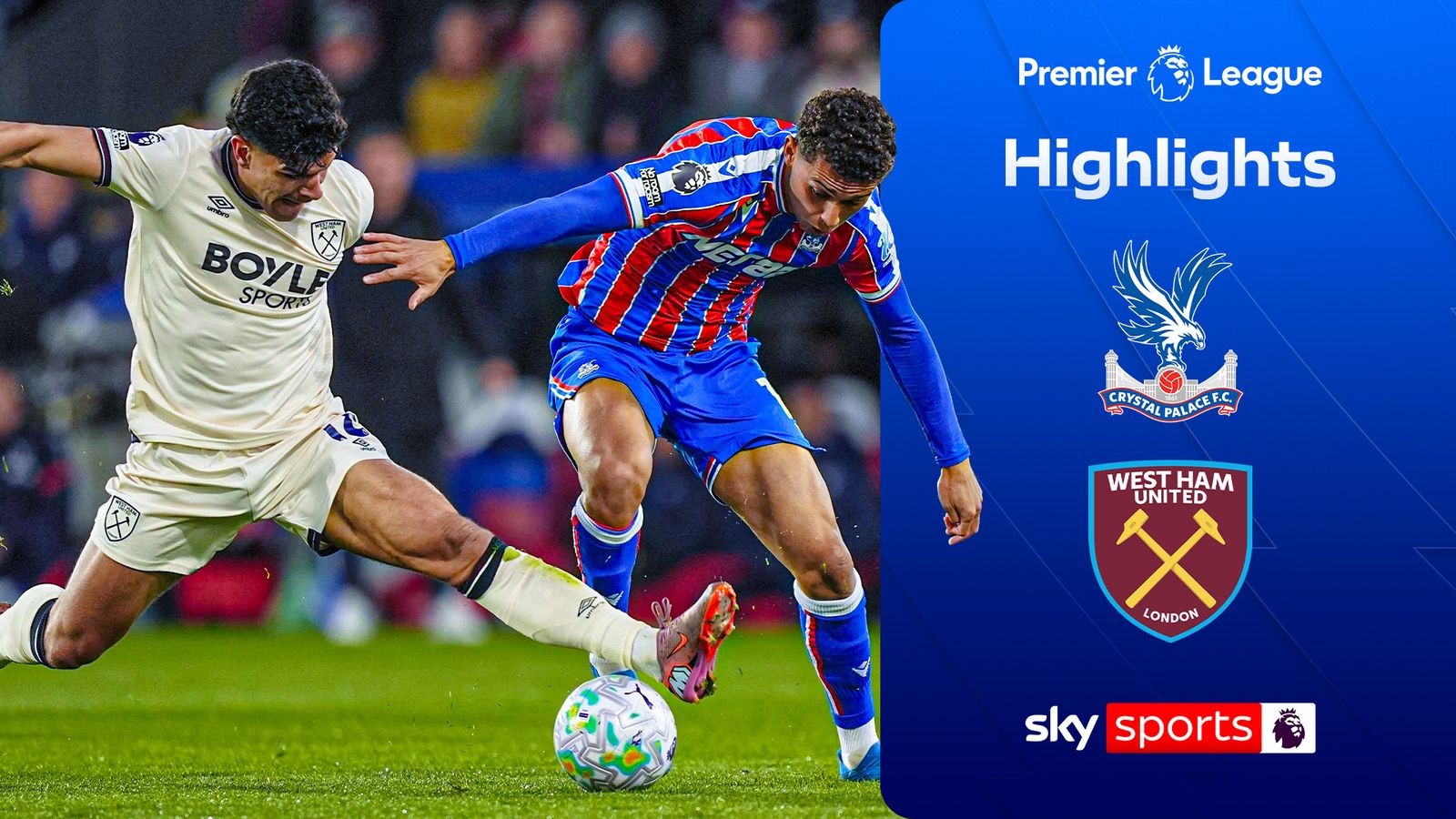
Managers often talk about finding a rhythm, but the Hammers lost theirs before the mid-season point. Defensive frailties became the club's defining feature, with the team hemorrhaging goals against lower-table opponents who were far more aggressive in transition. The loss of intensity during the second half of the season was evident to anyone watching from the stands.
Tactical stagnation and defensive rot
The core issue remains the failure to rotate an aging defensive core until the injuries became unavoidable. By then, the tactical instructions were being ignored, or worse, were no longer functional against the modern pace of the Premier League. The reliance on individual moments of brilliance from attackers was never a long-term solution for a side struggling to maintain two clean sheets in a row for months at a time.
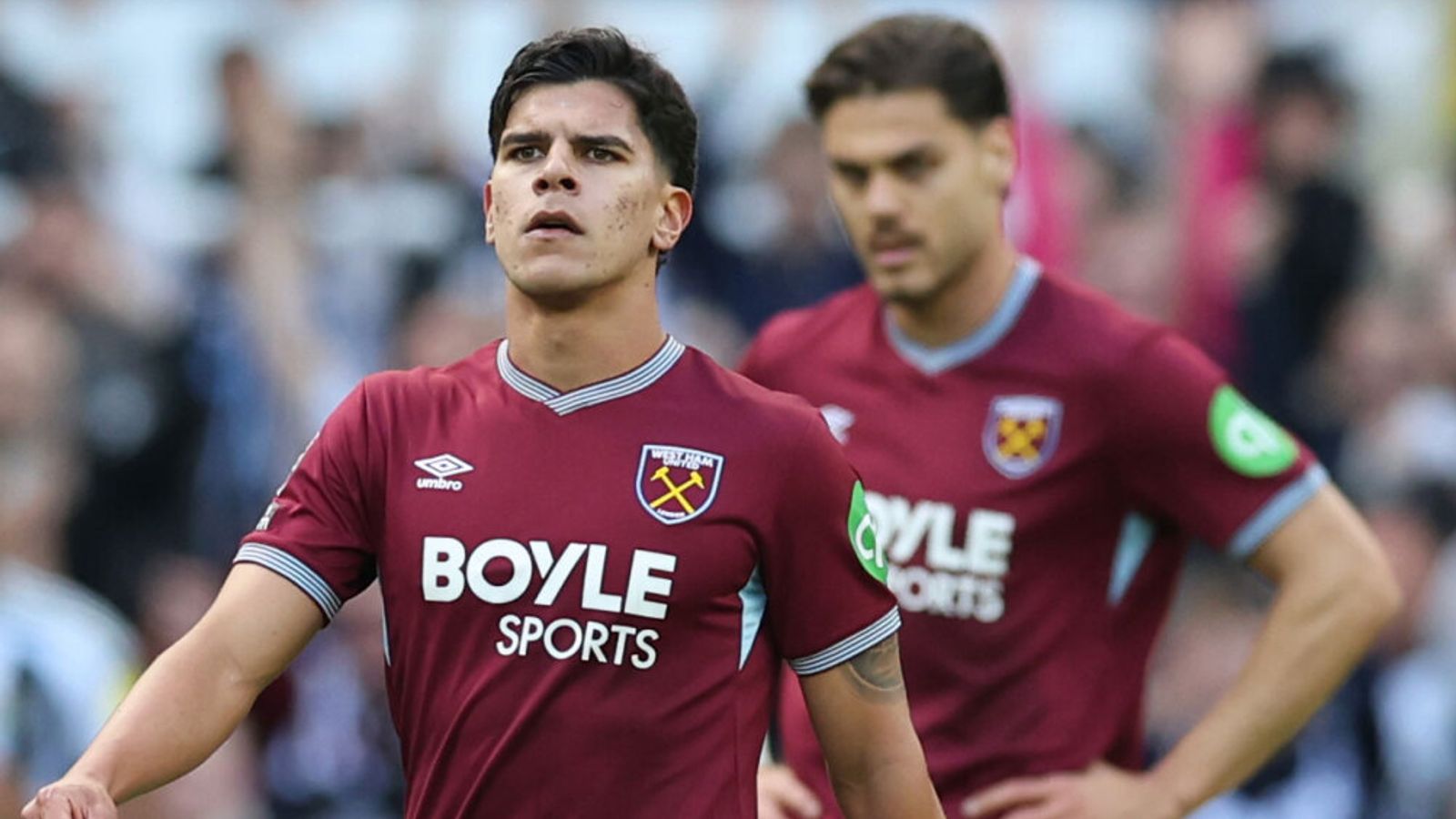
As reported by Sky Sports, the dressing room chemistry appeared to fray as the results turned sour. There is no clearer indicator of a failing project than a team that stops tracking runners in the 89th minute when a result is still within reach. Players appeared physically disconnected from the bench's instructions, resulting in a disorganized mid-block that allowed constant vertical progression into their penalty area.
The financial burden of the drop
Relegation hits with a specific kind of financial severity that forces immediate structural changes. The revenue gap between Premier League broadcast rights and EFL distributions is vast, necessitating a fire sale of high-wage earners who are currently on the books for elite-level compensation. Sporting directors will need to move quickly this summer to balance the ledger before the league starts in August.
The failure to integrate young talent from the academy into the senior setup in a meaningful way only makes this transition harder. Instead of having a ready-made core to bring into the Championship fold, the club is left with a bloated squad of veterans. High-profile signings that were expected to elevate the team into the top six ended up being the heavy anchors dragging the wage bill into unsustainable territory.
The defensive structure simply ceased to exist when we were under pressure, leaving our goalkeeper isolated far too often for us to expect points.
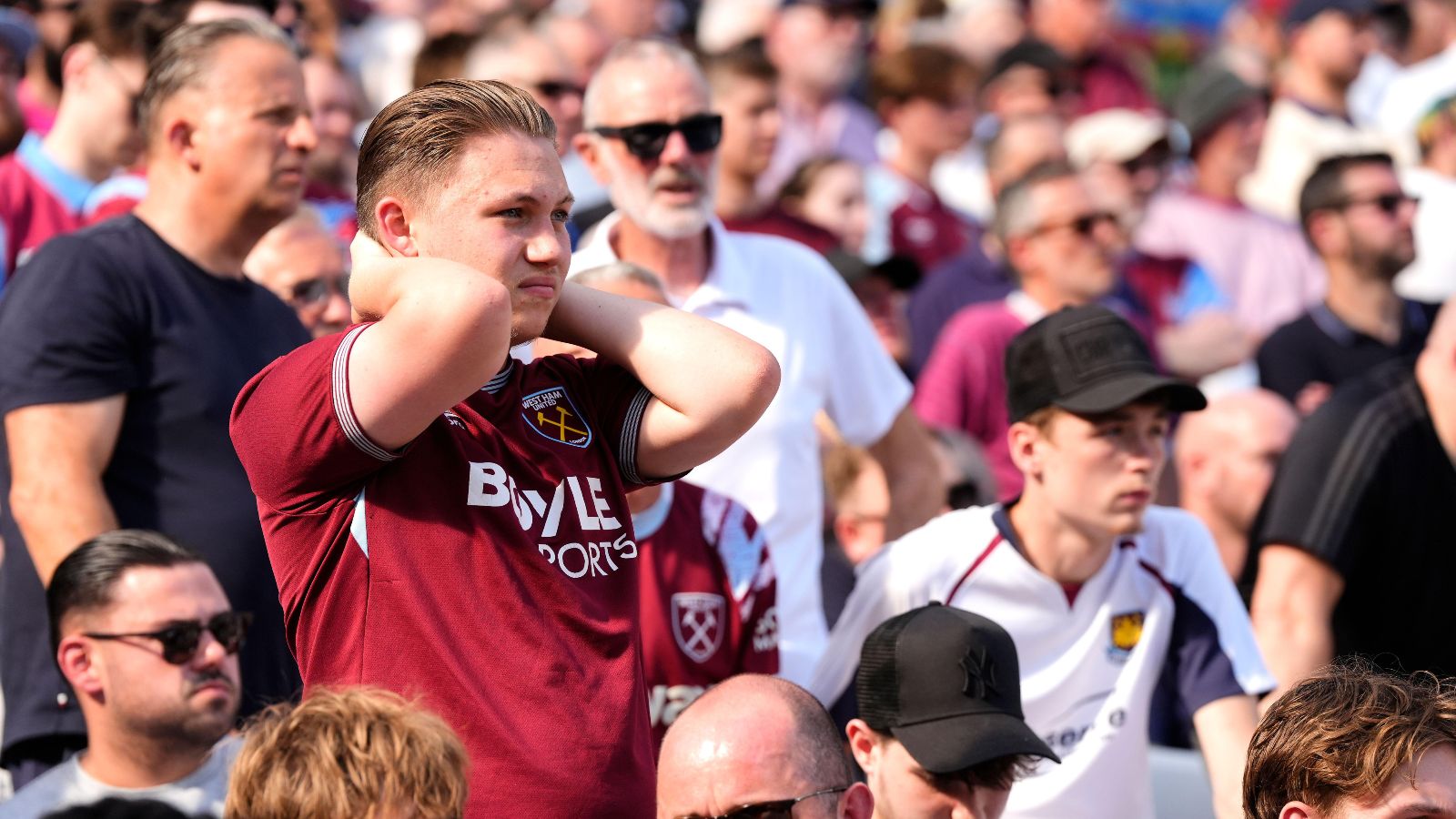
That quote reflects the frustration felt by supporters who watched this slide occur in real-time. The lack of defensive cover in midfield meant that whenever the team turned the ball over, the back line was forced into desperate 1v1 situations. It is a death sentence for a club that lacks elite pace in the center-half positions.
What happens behind the scenes
Internal friction between the recruitment team and the coaching staff has been an open secret since the January window. Disagreements over which profiles to target lead to a disjointed squad construction. When the recruitment strategy does not match the manager's preferred style, the on-field result is always a mismatch of expectations and reality.
The focus must now shift to an immediate rebuild of the back office. Keeping the same decision-makers in charge of a rebuild is a risky gamble that usually backfires within the first 15 games of a new season. The priority now is not just retaining talent, but identifying fresh leadership that understands the physical realities of a 46-game slog.
Looking at the upcoming season, the level of competition in the Championship is rising. With other former top-flight sides already settled into their groove, West Ham faces a brutal reality check. There is no divine right to bounce back instantly, especially when the current tactical foundation provided 0 wins in their final 7 league matches.
The fans deserve better than an aimless drift into the second division. Without drastic changes to the way the club approaches data-driven recruitment and tactical accountability, they risk becoming just another mid-table Championship side for years to come. The window to pivot is narrow, and the clock is already ticking toward the opening day of the next campaign.