Tier Assessment and Sourcing
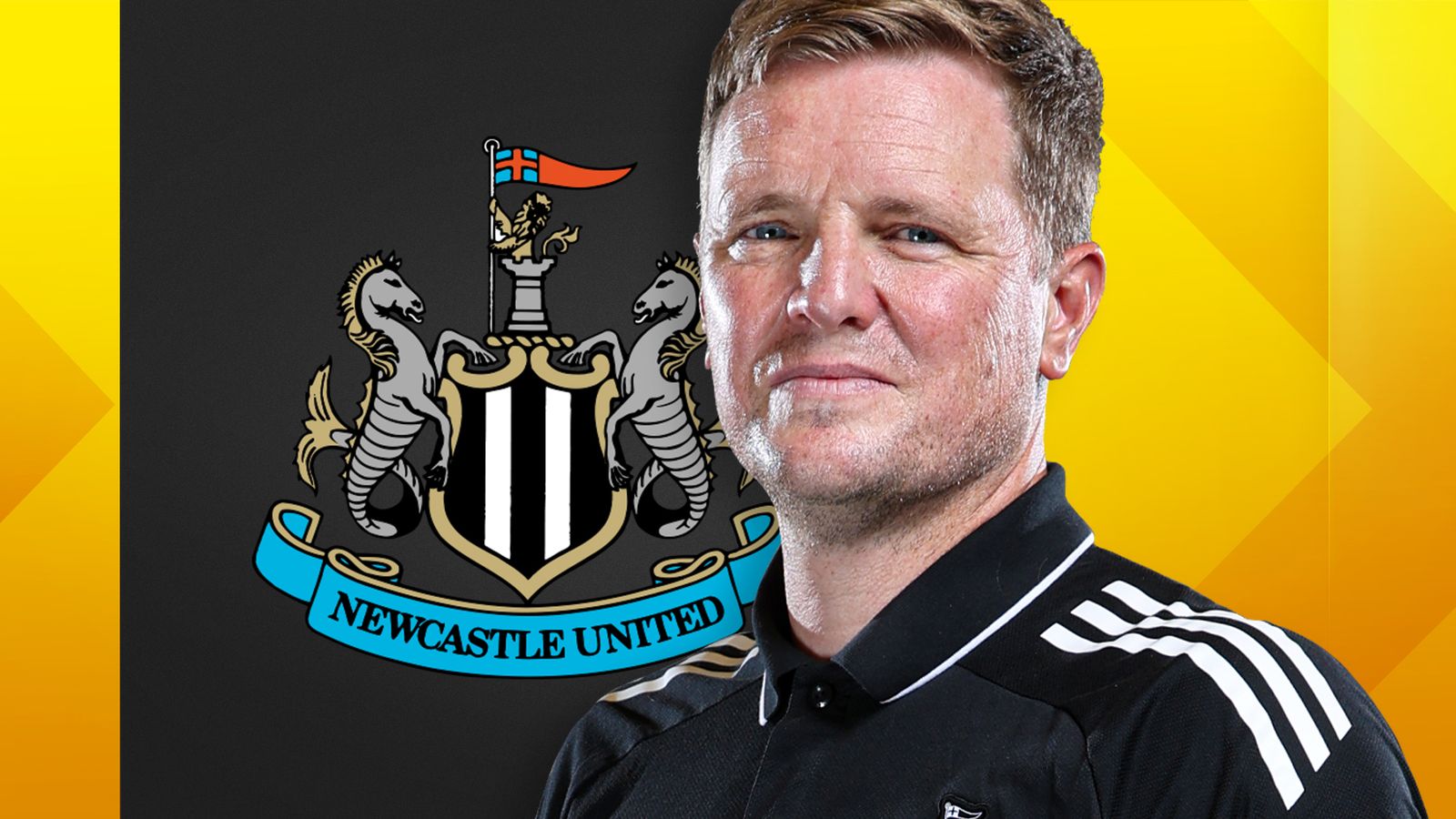
Let us start with the source credibility and cut through the immediate noise. The latest chatter stems from The Mirror, firmly placing this report in Tier 3 territory. The headline aggressively pairs Eddie Howe addressing Anthony Gordon rumours with a completely separate confirmed transfer, a classic tabloid bundling tactic designed to generate clicks. However, we cannot entirely dismiss the underlying premise. When a manager is forced to publicly address a player's future in a pre-match press conference, it means the background noise has reached a volume that can no longer be ignored by the club's media department.
This timing is rarely accidental. Rumours of this magnitude often leak right before massive fixtures. Arsenal are currently staring down a top-of-the-table clash against Manchester City that could define their Premier League season. Agents and intermediaries know exactly what they are doing. This is when media attention peaks. Putting Gordon's name next to Arsenal's right now maximizes visibility and applies pressure to all involved parties.
While the heavy hitters like Fabrizio Romano have not given this the fabled green light, local North East reporters have quietly noted Newcastle's ongoing battles with Profitability and Sustainability Rules. That financial reality is the actual engine driving this story, rather than just blind speculation drawn from thin air. The smoke is real, even if the fire is not quite raging yet.
The Tactical Fit: Why Arteta Wants Him
Mikel Arteta has a well-documented obsession with wingers who treat defending as a primary job requirement. Look at how Bukayo Saka tracks back deep into his own half. Look at Gabriel Martinelli's sprint data over the last three seasons. Anthony Gordon fits this physical profile perfectly. Under Howe, Gordon has developed into one of the most relentless pressing forwards in Europe.
He does not just press to look busy for the cameras. He presses with extreme intent, carefully angling his runs to cut off passing lanes and trigger traps on the opposition fullback. In Arsenal's high-octane out-of-possession structure, Gordon would plug in seamlessly. He understands the physical toll required to play for a top-tier Premier League side that demands constant off-the-ball intensity.
On the ball, however, the fit is slightly more complicated. This is where we have to be analytical. Arsenal often face extreme low blocks at the Emirates. Visiting teams arrive with ten men behind the ball and zero intention of leaving their own defensive third. Gordon thrives in transition. He destroys teams when given green grass to run into, punishing high lines with his raw pace.
At Arsenal, that grass is rarely available. Gordon is a fantastic footballer, but his tight-space dribbling is not at the elite level of a Bernardo Silva or even Leandro Trossard. When faced with a stationary right-back and two covering midfielders, Gordon sometimes runs out of ideas, opting for safe backward passes instead of unlocking the door. Paying a massive fee for a transition monster when you average heavy possession stats is a questionable allocation of resources.
Financial Realities: Fee and Wage Estimates
Newcastle United are not a selling club by choice. The Saudi ownership group has functionally bottomless pockets. But Premier League financial regulations simply do not care about your owners' bank account. Newcastle have had to move pieces to stay compliant before, and they will likely have to do it again to fund their own necessary squad rebuild.
Gordon's value has skyrocketed since his turbulent exit from Goodison Park. He is a fully-fledged England international now, a guaranteed starter for his club, and entering his peak years. Taking him away from St James' Park will require a massive fee. While current reports have not leaked a concrete asking price, standard market rates for prime-age English internationals suggest an estimated baseline in the region of £75 million. Newcastle would demand a massive upfront payment to immediately balance their books before the looming June 30 accounting deadline.
Then there is the complicated matter of the wage structure. Arsenal have been highly disciplined with their payroll under Edu's guidance. Saka and Martin Odegaard sit at the top of the tree, earning their superstar money. Gordon currently earns a solid wage at Newcastle, but an Arsenal move would demand a significant bump. Official wage demands remain unreported, but entering Arsenal's starting lineup would likely command an estimated salary approaching £180,000 per week, alongside a standard five-year contract to lock down his peak seasons.
That figure fits within Arsenal's budget, but it immediately places him in a bracket where he must deliver starting numbers from day one. He would not be paid like a rotation option or a developmental project. He would be expected to produce double-digit goals and assists immediately.
The Competition: Who Else Is Watching?
Arsenal are not operating in a vacuum here. Liverpool's shadow looms large over any Anthony Gordon rumour. Gordon grew up a Liverpool fan. He was released by their academy as a kid, a rejection that still clearly fuels his competitive fire. The narrative pull of a return to Anfield is massive, and Fenway Sports Group has long monitored his progress.
Liverpool's forward situation is notoriously fluid. The long-term succession planning for their attacking line remains a complex puzzle. If a current starter were to push for a move, Liverpool would instantly have the funds and the squad vacancy to bid for Gordon. Arsenal have to know that if they wait around and try to lowball Newcastle, Liverpool could simply outbid them emotionally and financially.
There is also the Chelsea factor, which can never be entirely discounted. Chelsea simply cannot help themselves when a high-profile winger hits the open market. While their squad is bloated and their strategy often chaotic, their recruitment team loves acquiring talent simply to deny rivals an advantage. Arsenal must move decisively to avoid being dragged into a miserable bidding war.
The Roadblocks to a Deal
The primary roadblock is Newcastle's institutional pride. Eddie Howe loves Gordon, and the Newcastle fanbase has adopted him as one of their own, appreciating his grit and work rate. Selling a prime-age English star to a direct domestic rival is a massive blow to the optics of the entire project. They desperately want to be competing with Arsenal for titles, not supplying them with premium talent.
There is also the massive World Cup complication. The 2026 World Cup kicks off on June 11 in North America. Gordon will be heavily involved with the England squad. Trying to negotiate a complicated transfer while the player is in an international camp, dealing with different time zones, media blackouts, and tournament pressure, is an absolute nightmare. Deals of this magnitude usually happen either very early in June or late in July after the tournament completely wraps up.
Probability Assessment
Let us strip away the noise and look at the cold reality. What are the actual chances of Anthony Gordon wearing an Arsenal shirt next season? Right now, the probability sits squarely in the medium-low category. I would put it at roughly a 30 percent chance of actually crossing the line.
Arsenal certainly have the money. Newcastle might eventually have the financial need to sell. But the stylistic fit is not flawless, and the emotional ties Gordon has to Liverpool heavily complicate any straightforward auction. Furthermore, Arsenal are undoubtedly looking at other profiles—perhaps a more natural touchline winger or a pure striker to share the heavy burden with Kai Havertz.
Expected Impact
If Arsenal do manage to pull this off, the impact would be jarring and immediate. Arteta would gain an incredibly durable, aggressive forward who can execute a high press for 90 minutes without complaining. Gordon's arrival would instantly push Martinelli to find a new level and provide Arsenal with a terrifying counter-attacking option in hostile away fixtures across Europe.
However, fans expecting Gordon to unlock deep, packed defenses at the Emirates might be severely disappointed. His entire game is built on speed, directness, and exploiting space behind high defensive lines. He would undeniably change Arsenal's tactical profile, making them slightly more chaotic and vertical in transition.
Whether that slight tactical shift is what Arteta actually wants remains the biggest unanswered question in this entire saga. Gordon is a brilliant player, but his skill set is highly specialized. Arsenal must decide if they are playing the right game to utilize his unique profile properly.
Read Next
- Why Arsenal's rumored pursuit of Anthony Gordon creates a massive squad problem
- Anthony Gordon set for summer exit as Newcastle prepare for fire sale
- Rashford to Barcelona is falling apart before it even begins
- Arsenal aren't playing for a draw at the Etihad and thank god for that
- ⭐ UCL 2026 — Champions League Quarter-Finals Hub