Tier 1 Confirmation Changes the Math
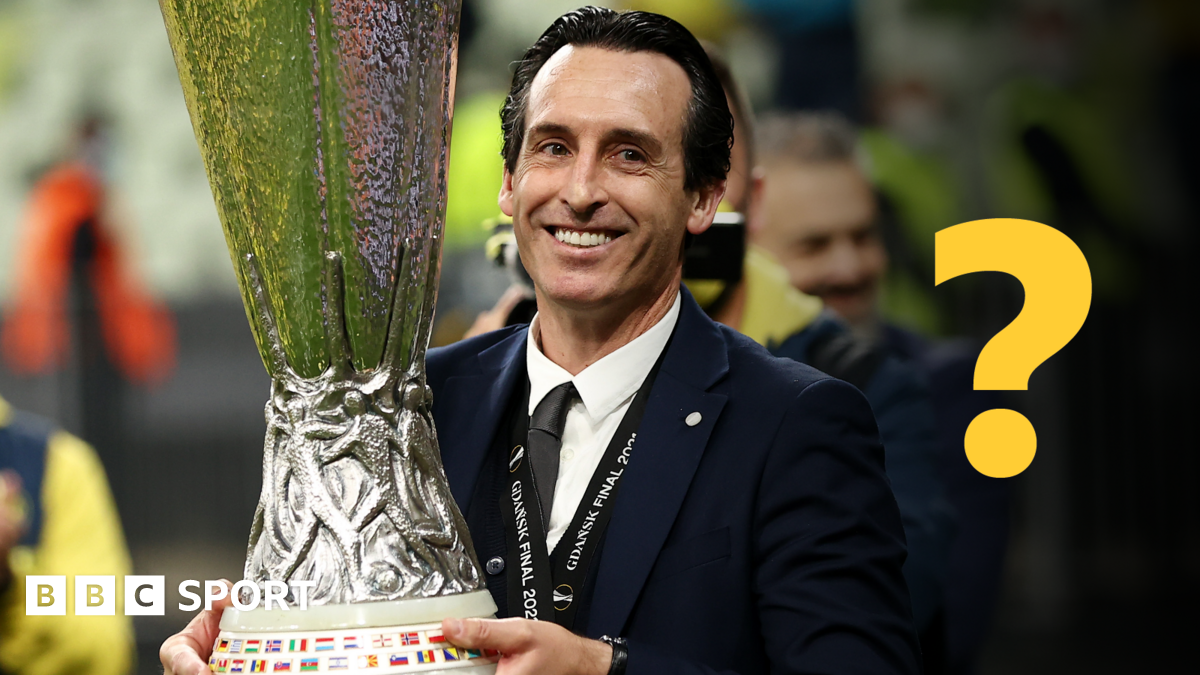
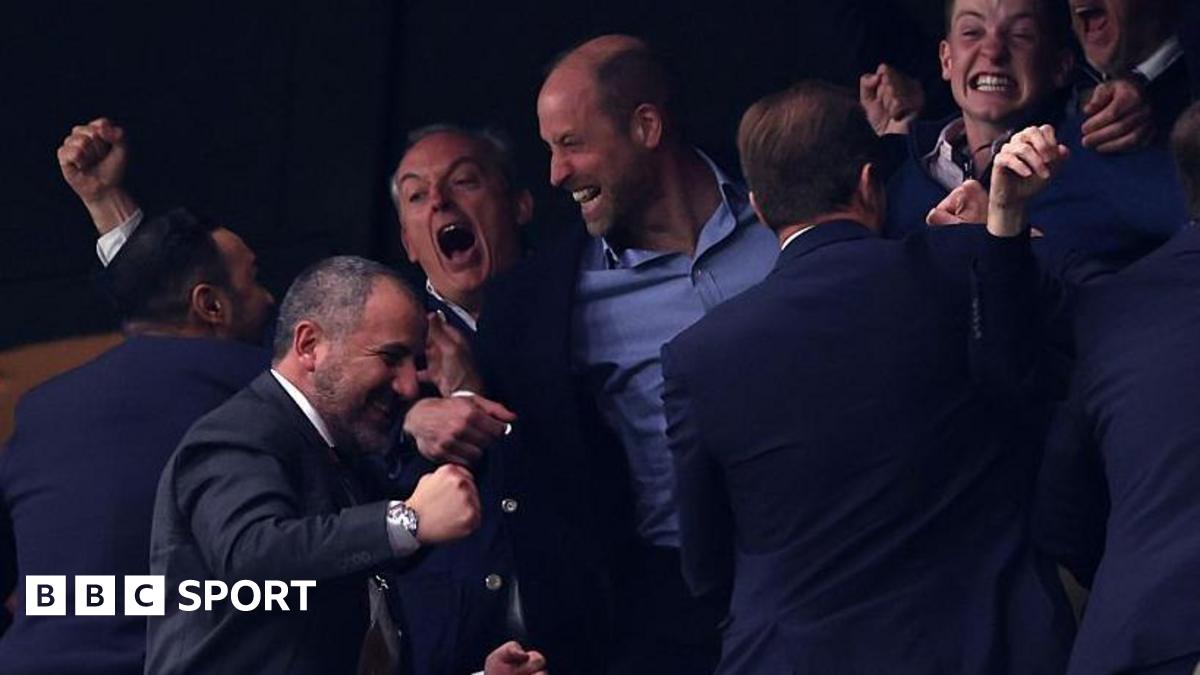
The BBC reports that Birmingham city centre roads will close on Thursday for Aston Villa’s victory parade. The Europa League trophy is officially secured. That piece of silver changes absolutely everything for the club's summer transfer plans.
Fans are preparing for an open-top bus tour and a massive celebration. The front office, however, is already staring down a brutal summer market. The final whistle didn't just win a cup. It entirely rewrote Unai Emery's tactical and financial strategy.
For the last six months, the loudest rumour surrounding Villa Park was a distinctly negative one. Pundits and financial analysts insisted the club would have to execute a massive fire sale this summer. The prevailing narrative was that a marquee player had to go.
That rumour was rooted in the harsh reality of Premier League financial rules. Profit and Sustainability regulations strictly limit club losses to £105 million over three years. The penalty for failure is a severe, season-destroying points deduction.
To avoid those deductions, clubs often sell homegrown academy players. Those sales register as pure profit on the balance sheets, providing an instant accounting fix. The fanbase was bracing for painful, pragmatic goodbyes to local heroes.
But the Europa League victory violently kills that narrative. Winning the tournament guarantees a spot in next season's expanded Champions League. That qualification completely flips the financial script for the sporting director.
Fee Estimates and Wage Structures
The UEFA prize money alone provides a massive injection of baseline capital. When you add the enhanced television broadcast pool and increased gate receipts, the numbers become staggering. Villa's revenue stream just jumped into an entirely different European bracket.
They no longer need to sell a star to satisfy the accountants before the June 30 financial deadline. The power dynamic in every upcoming negotiation has shifted in their favor. The club can now operate from a position of absolute strength, rather than desperation.
Because the victory parade is still being planned, specific names and concrete fee estimates have not been confirmed by Tier 1 sources. Anyone claiming to know exact figures right now is guessing. But the market dictates clear parameters for what happens next.
What is the baseline fee estimate for a Champions League-caliber defender? The current market dictates nothing less than £40 million. If you want a proven commodity from a top five league, that is simply the starting price.
Wage estimates are where the real boardroom battles will be fought. Villa's wage structure has grown, but it cannot match the Manchester clubs. They will likely need to cap new salaries around £120,000 per week to maintain dressing room peace.
If they carelessly break that wage structure, they risk destroying squad harmony. The front office knows that keeping the current stars happy is just as important as signing new ones. Strict financial discipline is still required.
To manage these massive costs, expect a very specific contract length strategy. The model of amortizing transfer fees over five or six years is now standard practice across the Premier League. Villa will absolutely utilize this accounting method.
A £50 million signing on a five-year contract only hits the PSR accounts for £10 million per year. This allows the club to stretch their new European budget across multiple premium signings. It is clever, necessary accounting for a club stepping up a weight class.
The Player Profile and Tactical Fit
So, what is the required player profile for this new era? Unai Emery is not going to sign players just to pad the bench. He demands a very specific type of athlete to execute his vision.
Villa desperately needs an elite, ball-playing center-back. They need a defender who can operate calmly in high-stress isolation. The current options are brave, but the Champions League demands physical and technical perfection.
Emery’s tactical fit is notoriously rigid. He deploys an aggressive 4-2-2-2 formation that relies heavily on a high defensive line. That line successfully caught dozens of domestic opponents offside this year.
But the strategy carries massive, sometimes fatal, risk. This brings us to the harshest reality of Villa's current squad. The high line was badly exposed multiple times during the spring run-in.
When the midfield failed to press the ball, opposing forwards had a field day. Elite attackers simply ran into the acres of empty space behind the Villa defense. Emery’s refusal to drop the line against pacey attacks cost them vital league points.
The manager is a tactical genius, but his stubbornness is a genuine flaw. He rarely shifts to a pragmatic Plan B when the initial pressing triggers fail. The current squad depth simply cannot sustain that high-wire act across a 60-game season.
They looked entirely gassed in domestic cup competitions. The drop-off in quality between the starting eleven and the bench is too severe. They need reinforcements who possess elite recovery pace to save the high line when it breaks.
The midfield also requires serious attention. The double pivot demands an absurd amount of running from box to box. Asking the current starters to do that twice a week against Europe's elite guarantees muscular injuries by November.
They need a dynamic number eight who can carry the ball through congested central areas. When opponents sit in a low block, Villa sometimes struggles to break them down. A ball-carrying midfielder changes that dynamic completely.
Tactically, Emery relies on his full-backs to provide the attacking width. While the wide midfielders tuck inside, the full-backs are expected to bomb forward. This creates overloads in the final third.
But it also leaves massive gaps in the transition defense. If the ball is turned over cheaply, the center-backs are completely exposed. Finding a full-back who can attack aggressively but recover with elite speed is incredibly difficult.
Competing Clubs and Expected Timeline
They will need every financial trick available, because the competition has changed entirely. By winning the Europa League, Villa just jumped a massive tier in the global transfer market. They are no longer competing with mid-table sides.
Their competing clubs are now the giants of the continent. If they identify a target in France or Germany, they will be bidding against Atletico Madrid, Borussia Dortmund, and AC Milan. That is terrifying company to keep in a bidding war.
However, the promise of playing in the Champions League is a massive draw for any agent. Players want to test themselves on the biggest stage. Villa can now offer that exact platform.
The sporting director will have to sell the project. He has to convince targets that Villa is a permanent fixture at the top table. The manager's pedigree in European knockouts makes that pitch much easier.
But there is a secondary problem: the Villa tax. Selling clubs know exactly how much money the club just earned from UEFA. Any inquiry for a player will instantly feature an inflated asking price.
When a club is perceived as wealthy, finding a bargain becomes nearly impossible. The scouting network will have to identify undervalued talent before the traditional European giants notice them. Speed in the market is everything.
This brings us to the expected timeline. The transfer window is going to be incredibly chaotic this summer. The World Cup kicks off on June 11, heavily compressing the negotiation schedule.
Historically, international tournaments freeze transfer activity completely. Players refuse to discuss club contracts while focused on their national teams. Managers strictly ban agents from visiting team hotels to prevent distractions.
Therefore, Villa has a tiny window to get their primary business concluded. If they fail to secure their top targets by early June, they will face a nightmare scenario. They would be forced into the post-tournament scramble.
Post-tournament markets are notoriously inflated. A player who scores twice in the World Cup group stages suddenly costs an extra £15 million. Villa cannot afford to play that dangerous game.
Expect aggressive, early moves from the front office. Medicals will likely be scheduled in the coming days before players fly out to national team camps. The groundwork for these deals was undoubtedly laid months ago.
The probability of a major signing arriving before the World Cup is extremely high. The manager knows the massive gaps in his squad. The board knows they have the funds to back him.
Ultimately, the next three weeks will define Aston Villa's entire season. They have conquered the Europa League. The parade will be a beautiful, historic moment for a starved fanbase.
But football is a ruthless, forward-looking industry. Yesterday's trophy only buys you the right to suffer against tougher opponents tomorrow. The real work begins the moment the parade buses park.
Read Next
- Aston Villa's Europa League victory exposes the myth of the high press
- Unai Emery is not selling you a dream, he is selling you a war
- Unai Emery's Europa League dominance faces a final test in Dublin
- Aston Villa's summer plans hinge on Wednesday's Europa League final result
- 🏆 Europa League Final 2026 — Full Coverage Hub