Measuring Liverpool's opening act failure
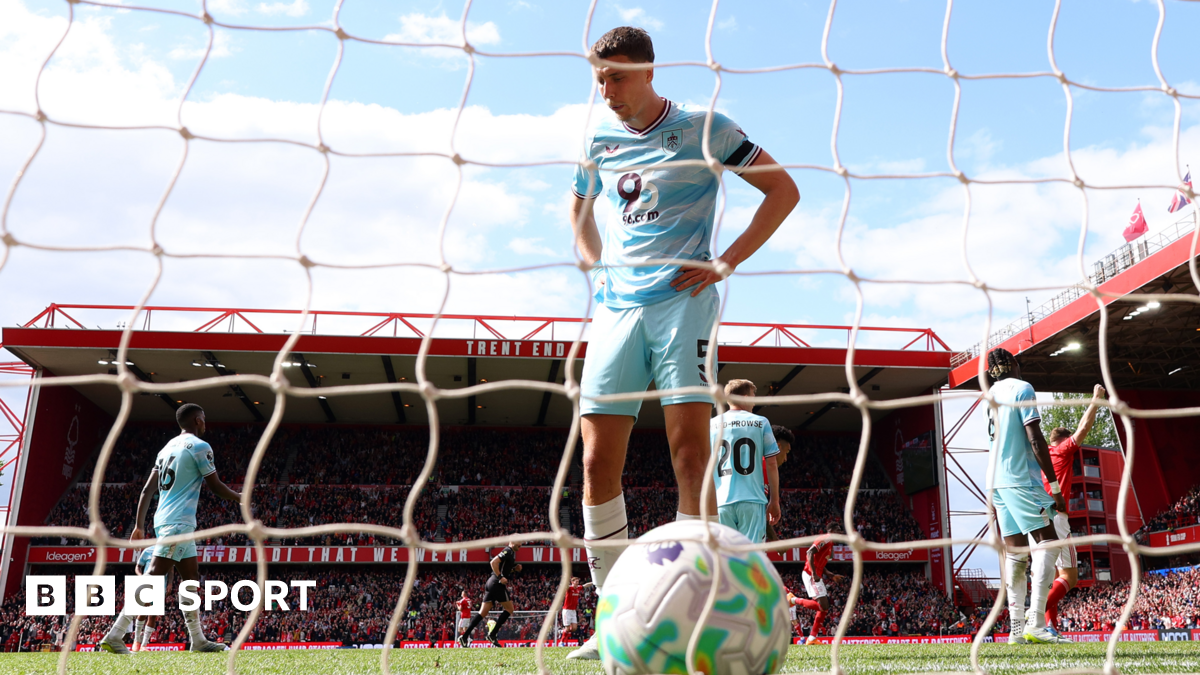
If Premier League matches concluded at the 15th-minute mark, only six clubs in the division would sit below Liverpool in the table. This isn't a mere statistical fluke; it is a recurring structural failure that has defined their campaign. As the Daily Mail reported, their inability to hit the ground running has haunted them from August through May.
The data shows a team consistently caught cold in the earliest phases of play. By trailing in the opening quarter-hour of matches, Liverpool has been forced into chasing games against lower-table opposition. It creates a high-pressure environment where mistakes are amplified, effectively turning every match into a high-stakes rescue mission rather than a controlled execution of a tactical plan.
The math behind the misery
The discrepancy between Liverpool's expected dominance and their real-time performance is stark when you isolate that initial 15-minute window. While elite clubs usually establish rhythm early, Liverpool appears to be waiting for the game to reveal itself. This reactive stance has resulted in a points total that falls significantly short of their potential, often leaving them needing a 30-point swing in intensity during the final hour of play just to salvage a draw.
LaLiga keeps the stakes higher
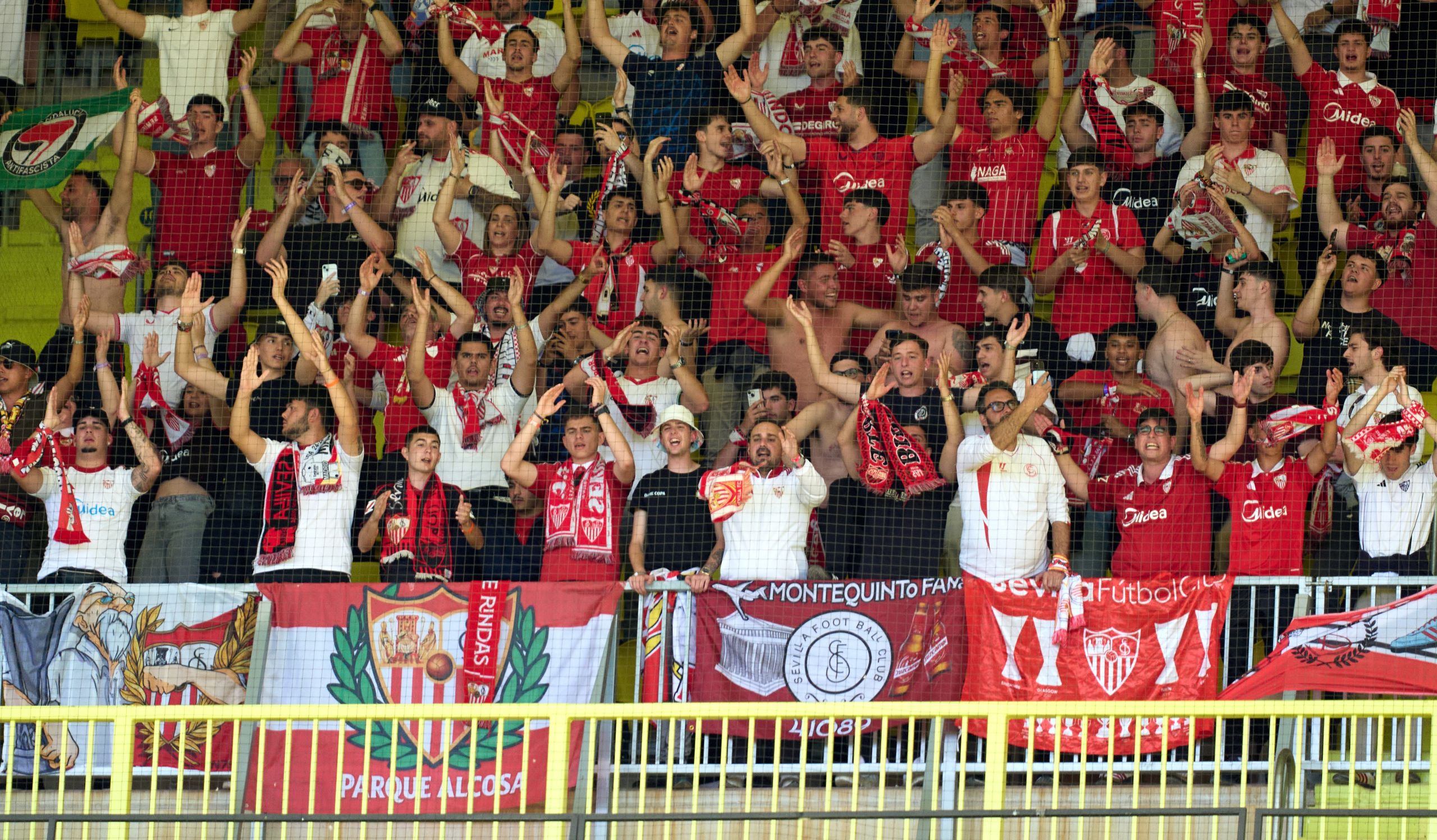
While Liverpool grapples with their own inefficiency, the sheer chaos of other European leagues puts their domestic struggles into perspective. In Spain, the tension is not about slow starts but total survival. According to recent reporting regarding LaLiga, nine teams remain in the crosshairs for the final two match weeks. This is a level of parity and desperation rarely seen in the modern Premier League.
For these nine clubs, the margin for error is non-existent. A single lapse—whether in the opening fifteen minutes or stoppage time—results in the catastrophic loss of status. Liverpool’s internal concern regarding slow starts, while frustrating to their supporters, occupies a different world than the existential dread currently gripping nearly half the Spanish top-flight.
Tactical inertia and forward planning
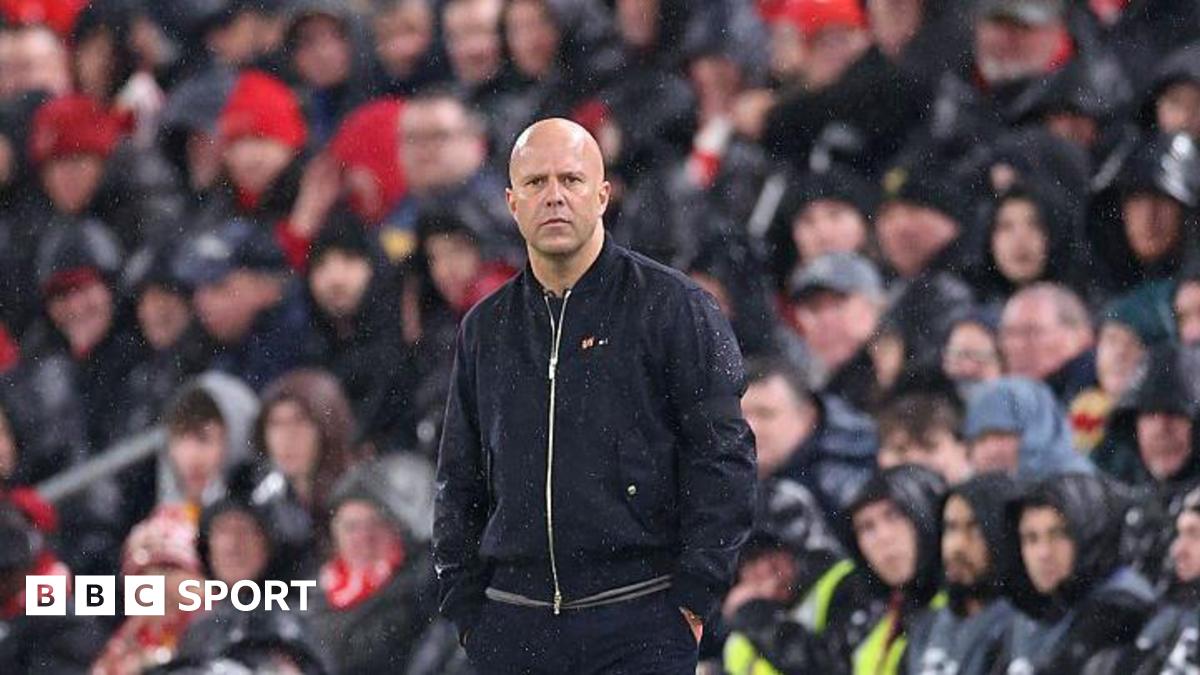
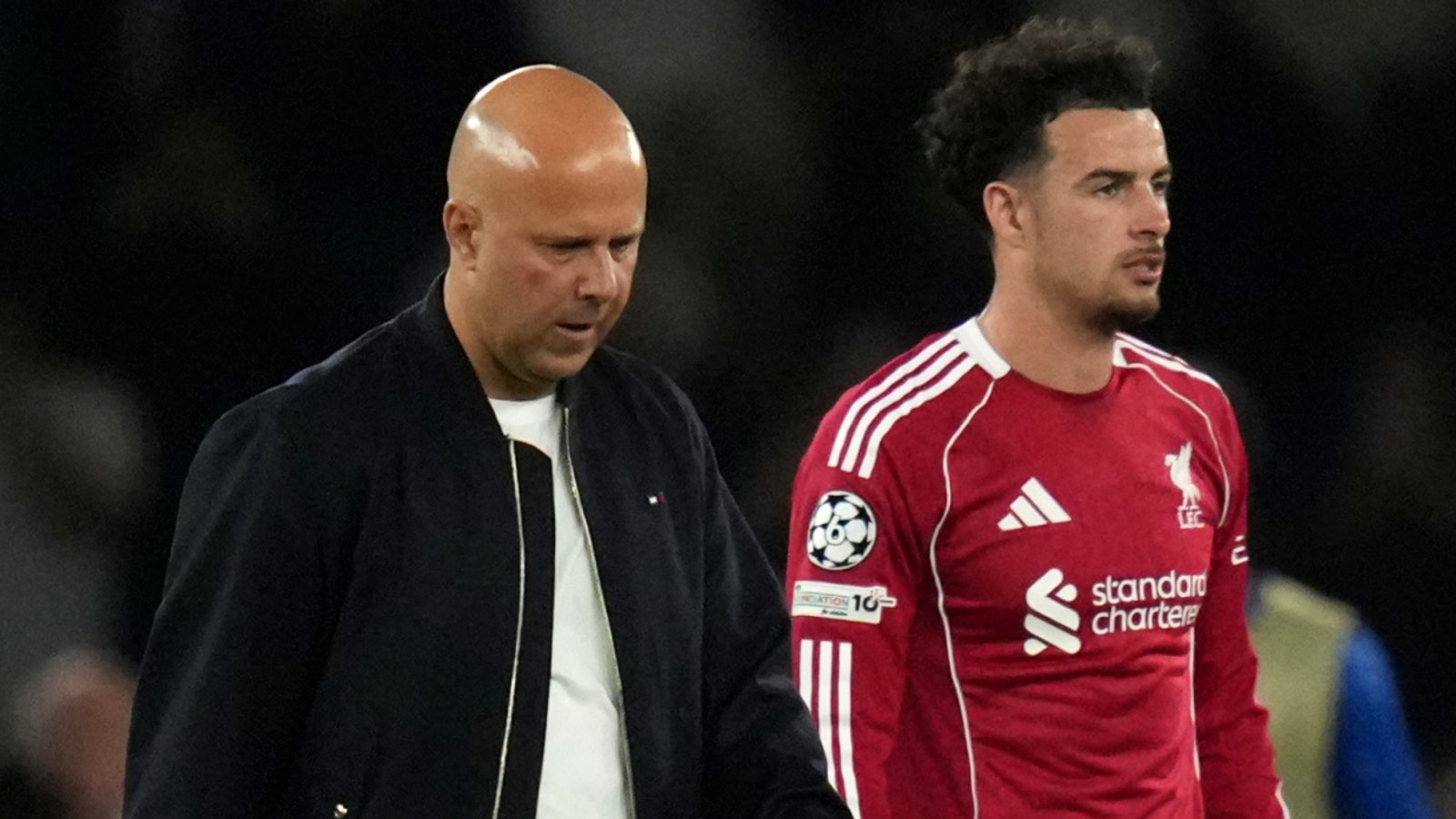
The upcoming summer window is expected to be a period of significant correction for the Reds. Fixing these sluggish starts requires more than just better motivation; it requires a personnel shift. Analysts point to two specific players who appear to be the primary culprits in failing to set the tempo early in the match.
Management seems prepared to target specific defensive and midfield profiles to address this technical lag. Without a change in the starting profile, opponents will continue to capitalize on this repeatable weakness. The Reds have found themselves in a recurring cycle where their late-game heroics mask a fundamental inability to enter a match with 100 percent focus.
A look toward the horizon
Consistency across ninety minutes remains the separator between good squads and champions. As we approach the end of the 2026 season, the contrast between the calm requirements of the elite and the chaotic bottom-half battles is becoming clearer. Whether it is the Scottish title race or the looming international fixtures, the statistical trends indicate that those who control the start control the outcome.
Liverpool's internal numbers are damning. Unless they address their inability to engage before the 15th minute, their strategy of coming from behind will eventually lead to a permanent loss of ground against rivals who are starting to perfect their own opening scripts. It is a cautionary tale of how narrow the gap between top-four contention and title winning truly is.