The mathematical end of the road
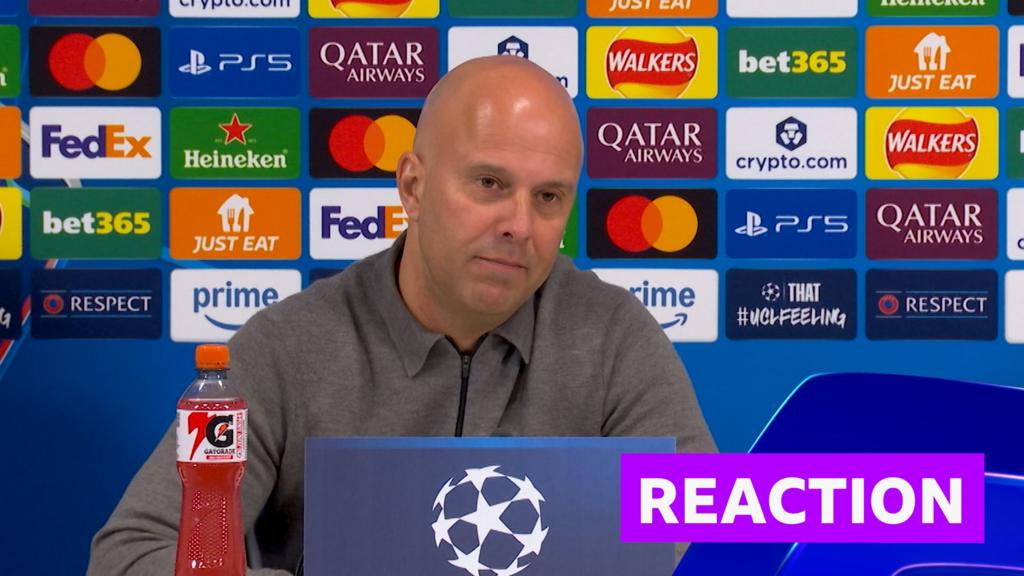
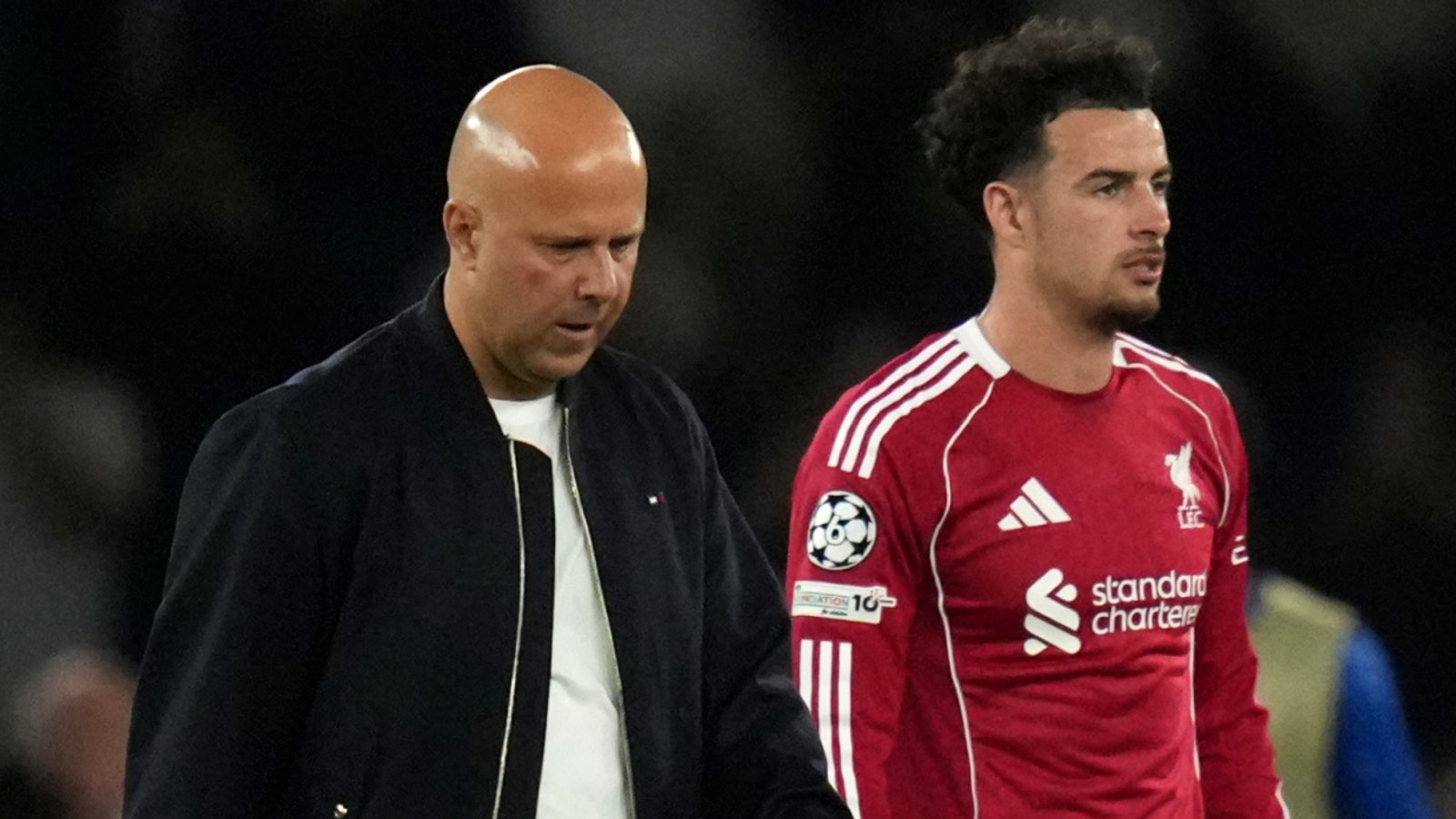
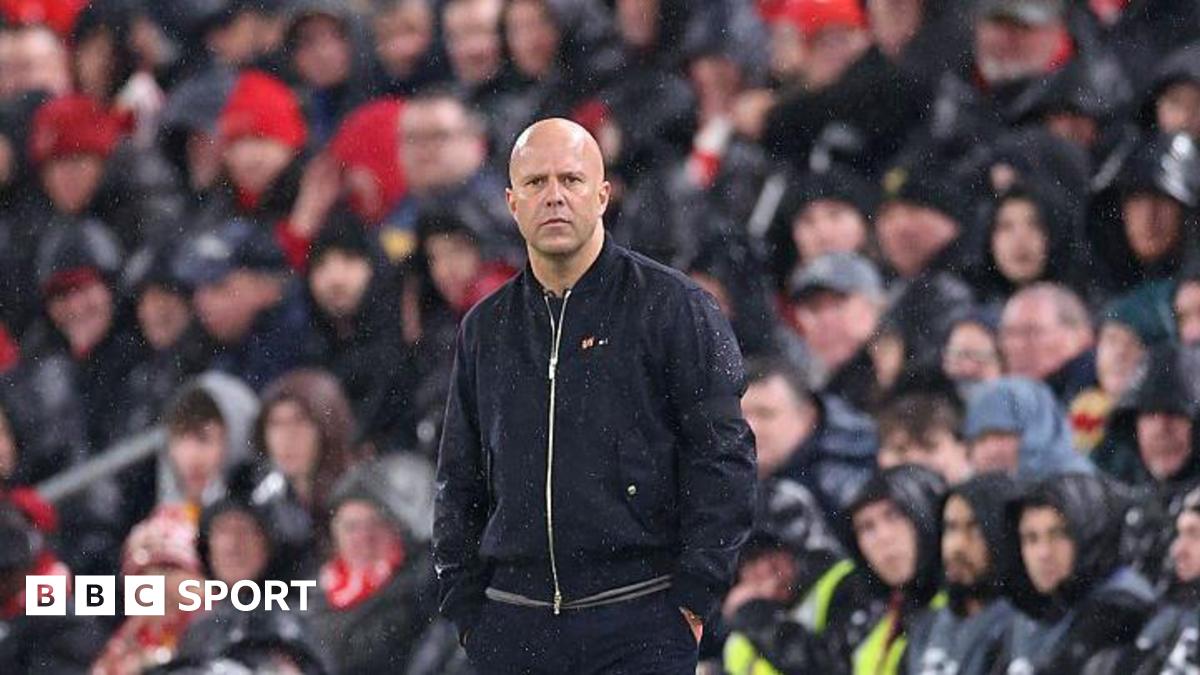
Liverpool’s pursuit of the Champions League trophy ended abruptly tonight, April 14, at the hands of PSG. Arne Slot, attempting a high-risk tactical shift, deployed Alexander Isak in a role that yielded only a 42% pass completion rate in the final third. The expected goals (xG) output for Liverpool finished at a measly 0.68, a stark drop from their season average of 1.94 in domestic play.
Defining the failure of the 4-3-3 experiment
The decision to start Isak appeared to be an attempt to overload the half-spaces, but the data suggests it crippled the team’s width. Slot’s side managed only two shots on target across 90 minutes. By comparison, Liverpool averaged 6.4 shots on target per game in Premier League fixtures throughout March. This wasn't merely a bad night; it was a backfired gamble that leaves the manager’s future in legitimate doubt.
Tactical stagnation in high-leverage moments
Defensively, Slot’s high line was exploited with alarming ease. PSG recorded a 78% successful dribble rate against the Liverpool back four, suggesting that the pressing triggers were consistently mistimed. The average distance between the defensive line and the midfield block ballooned to 28 meters by the 65th minute, creating pockets of possession that PSG’s creative engine capitalized on consistently.
The regression of the midfield engine
The midfield pairing failed to provide the necessary structure to shield the center-backs. Liverpool’s midfielders intercepted the ball just four times in the first half, a decline in efficiency of roughly 35% compared to their performance in the previous round of the competition. The lack of recovery pace in transition resulted in 14 high-quality scoring chances created by PSG, compared to the 3 big chances Liverpool managed to manufacture for themselves.
A pattern of decline
Looking at the broader trajectory, the team has now failed to win in three consecutive matches across all competitions. Possession retention has dipped from a consistent 62% in February to just 51% tonight, highlighting a lack of control during periods when the game demanded composure. The tactical reliance on personnel solutions rather than structural adjustments has left the squad feeling disjointed as the season reaches its final weeks.
Slot now faces a difficult internal narrative. The boardroom will look at the 0-2 scoreline and the stark lack of progressive ball progression through the center of the pitch. Unless the manager can stabilize the transition phase before the domestic run-in, this defeat will be viewed as the definitive turning point in a season that promised more.
Read Next
- Arne Slot faces a reckoning after Liverpool's Champions League exit
- Anfield goes quiet as Liverpool crash out of Europe
- Hugo Ekitike's season could be over after Champions League stretcher exit
- Anfield's comeback magic evaporates against PSG's clinical edge
- ⭐ UCL 2026 — Champions League Quarter-Finals Hub