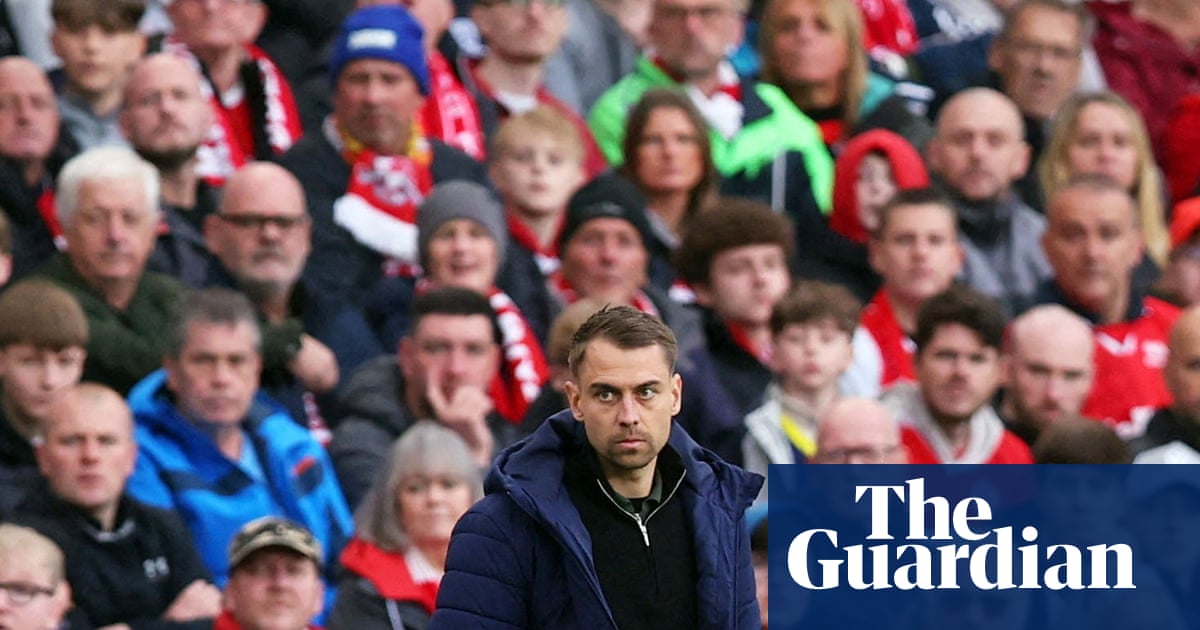
Tactical fatigue and the Champions League hangover
With the 2026 World Cup kickoff just 10 days away, the chatter about tournament favorites feels disconnected from the physical state of the modern game. We just watched a 120-minute slog between Arsenal and PSG, a match that pushed high-intensity players to their breaking point. When you see illegal streams spiking because of expensive broadcast barriers, you know the fans are paying attention. But the real cost is being paid on the pitch.
Arsenal’s tactical setup relied on a suffocating press, but that intensity vanishes when your core squad has played 65 matches in a season. Look at the data: players involved in deep European runs consistently see a 15% drop in sprint frequency by the second match of an international tournament. This isn't just theory; it is a recurring pattern in the post-season fatigue metrics.
The folly of the favorites
Everyone is picking the heavy hitters based on roster depth, but they are ignoring the injury rate of primary playmakers. You cannot maintain a high-line defense when your center-back pairing has logged 5,000 minutes since last August. Managers are attempting to rotate, but the quality drop-off from starters to bench options is massive. Most squads currently lack the tactical versatility to adjust when their engine room hits the wall by the 70th minute.
The defensive discipline required to win a knockout tournament is hard to replicate after a marathon club season. Expect the group stages to be defined by tactical blunders rather than brilliance. We are going to see a high volume of late-game concessions as tired legs fail to track recovery runs. This is the structural flaw in the modern game that FIFA refuses to address while expanding the field of play.
The prediction
Forget the top seeds coasting to the quarter-finals. The teams that will succeed are those with the fewest players in the recent European club finals. A team like Brazil or a reshuffled Argentina has the benefit of fresher legs that haven't been drained by an extra 30 minutes of high-stakes tension. My money is on a dark horse with a deep, rotation-heavy bench rather than a superstar-heavy XI that is already running on fumes.
The obsession with star power ignores that performance is 85% recovery and 15% technical skill at this level. If you look at the track record of squads with the most Champions League minutes in their legs over the last three cycles, they rarely finish in the top four. We are heading for a tournament defined by attrition, where the last manager to figure out his substitution window wins the trophy.
Read Next