The death of tactical idealism
A massive tactical shift happens when the calendar flips to May. The structured possession play that managers spend August to April perfecting suddenly frays at the edges.
Sky Sports broadcasting every remaining Premier League fixture live isn't just a television schedule. It is a front-row seat to the complete collapse of tactical discipline.
We see it every year. A title-chasing side, accustomed to calmly suffocating opponents, starts panicking at 0-0 in the 70th minute.
The ball spends more time in the air. Center-backs step up ten yards higher than they should, vacating their zones. The holding midfielder leaves his post to hunt for loose balls on the edge of the penalty area. Desperation takes over.
This weekend, desperation is the only metric that matters. You can look at expected goals, pass networks, and pressing triggers all day.
The team that wins is the one that keeps its head when the structural integrity of the match breaks down.
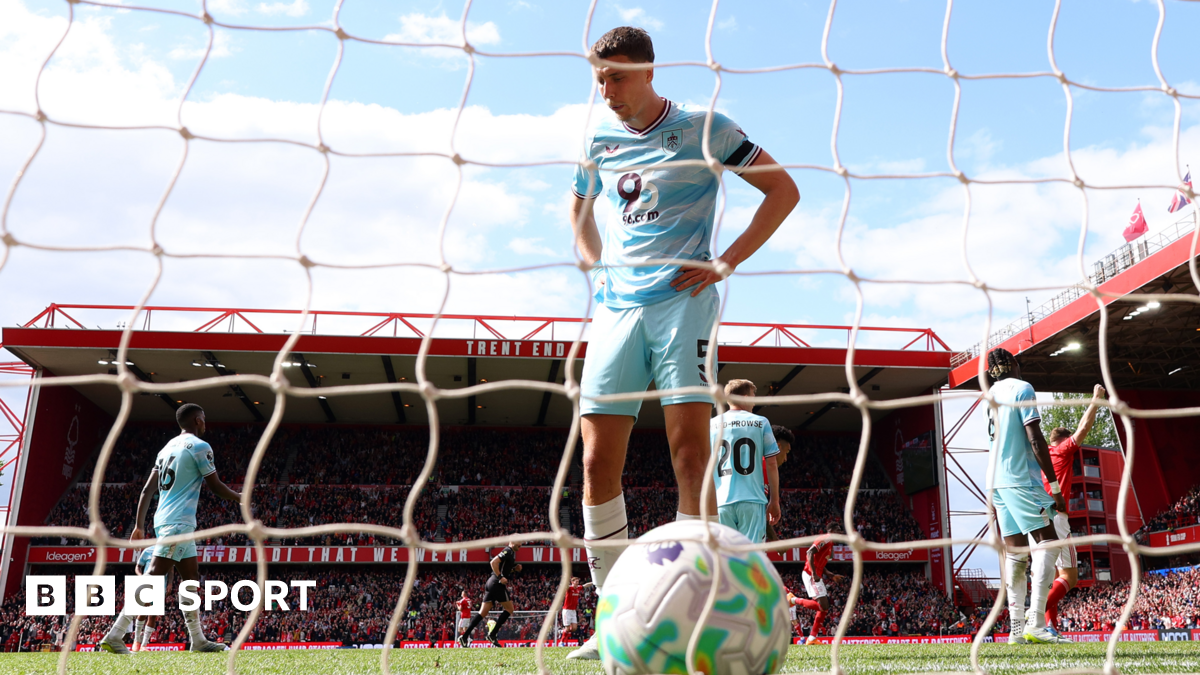
The problem for the elite sides is predictability. Teams at the bottom know exactly what is coming. Relegation-threatened sides stop trying to play football around matchday 34.
They revert to cynical survival methods. Breaking that down requires patience that top teams lack when the title race pressure peaks.
The pressing cliff
Look at the pressing numbers across the league over the last three weeks. They always fall off a cliff.
The modern high press requires absolute synchronization and endless physical energy. By mid-May, legs are heavy. Hamstrings are tight. That telepathic synchronization is gone.
Instead of a coordinated front three hunting the ball, we see broken pressing systems. A striker chases a center-back, but the wingers refuse to follow the trigger.
The midfield stays deep to protect against the counter-attack. This failure creates massive gaps between the defensive lines.
Number tens who know how to drift into the half-spaces suddenly find themselves with more time on the ball than they have had all season.
But the teams fighting relegation aren't even trying to press. They drop into a rigid low block and dare you to break them down.
The back five stays narrow, conceding the wide flanks. They want you to cross the ball. They have three massive center-backs ready to head it away all afternoon.
High turnovers leading to shots drop by nearly 15 percent in the final weeks of the season.
This is where title contenders get it wrong. They start crossing early out of sheer frustration.
The full-backs push absurdly high up the pitch, turning the formation into an unbalanced 2-2-6 in possession. Defensive midfielders are left entirely isolated.
If the low block clears the ball and bypasses that initial counter-press, the resulting counter-attack is devastating. It becomes a simple numbers game.
The isolated number six
The space left behind those overlapping full-backs becomes the most valuable real estate on the pitch.
When a team throws everything forward to find a late winner, transitional moments dictate the final result. The defensive midfielder has to cover an impossible amount of ground laterally.
We saw it clearly in the weekend's earlier fixtures. The exact moment possession changes hands, the counter-attacking side doesn't bother building through the middle.
The ball is launched immediately into the vacant wide channels. Center-backs are dragged into footraces out wide.
If the covering midfielder misses his tackle, the entire defensive structure collapses inward.
This puts unsustainable strain on the center-backs. They are expected to defend in huge amounts of space, often isolated one-on-one against fresh substitute forwards.
A single slip, a slight misjudgment of the flight of the ball, and the title slips away. The mental fatigue is just as debilitating as the physical fatigue.
Rapid decision-making slows down. A center-back who comfortably stepped up to intercept forward passes all season suddenly drops deep, giving the striker an extra yard to turn and shoot.
It is fascinating to watch elite managers try to fix these gaping issues from the touchline. You see the frantic pointing, the complex tactical adjustments passed onto the pitch during a break in play.
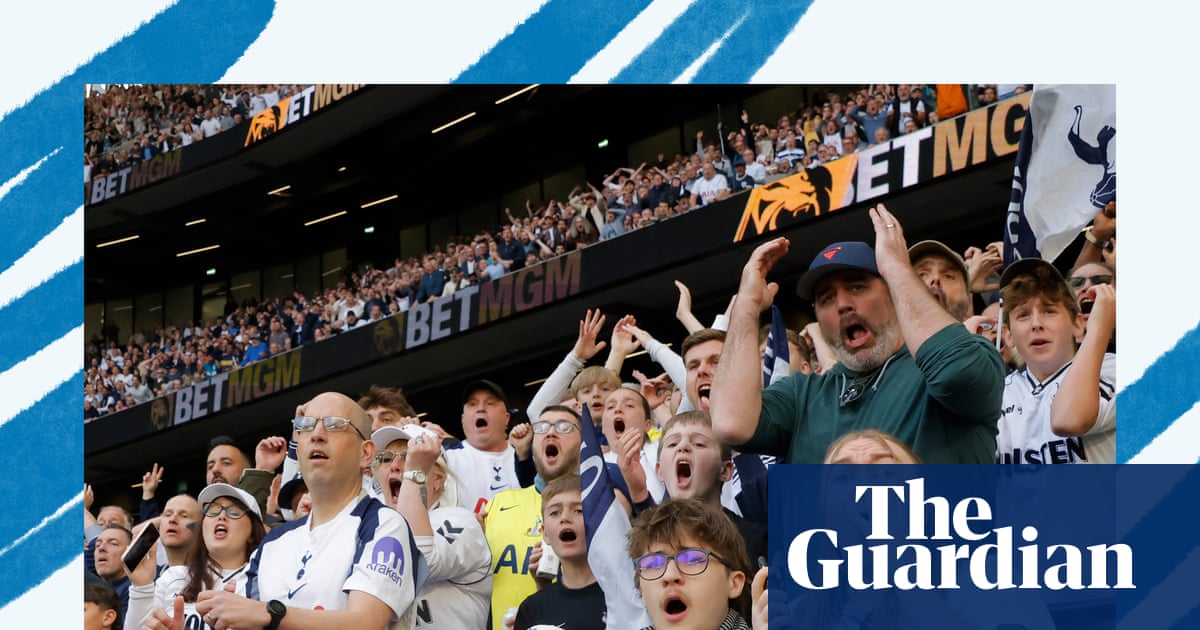
But the deafening noise in the stadium and the heavy legs often render these instructions entirely useless. Players revert to basic instinct.
The set-piece lottery
When open play degenerates into a chaotic mess of tired legs and broken structures, set-pieces decide championships.
It is the one single moment in the game where the ball is dead, the shape is static, and tactics can actually be executed exactly as drawn up on the training ground.
But defending set-pieces in May is terrifying. Zonal marking systems, which rely entirely on players attacking specific areas of space with conviction, start to fail under pressure.
Defenders get visibly nervous. They start watching the man instead of tracking the ball. They hesitate for a fraction of a second.
That is all it takes for a towering center-back to get a free run at the near post.
The delivery of the ball also changes. The out-swinging corner, normally considered the safer option to avoid the goalkeeper, is often abandoned for the aggressive in-swinger.
Desperate teams want the ball whipped violently into the six-yard box, creating absolute panic. They hope for a lucky deflection or an unconvincing punch from the keeper.
It is ugly, rudimentary football, but it works.
The forgotten role of the goalkeeper
There is another subtle but vital shift that happens in the final weeks of the season. Goalkeeper distribution entirely changes.
From August to April, managers preach patience. They want their goalkeepers to play short passes to split the center-backs. It invites the press and creates numerical advantages further up the pitch.
By May, that risk tolerance completely vanishes. When a team is clinging to a one-goal lead, no goalkeeper wants to be the one who misplaces a five-yard pass inside his own penalty area.
The ball is launched long. The goal kicks become an exercise in territory acquisition rather than possession retention.
This completely bypasses the midfield battle. It turns the match into a series of ugly, contested headers and second-ball scraps near the halfway line.
It is anti-football, but no manager on the touchline is going to complain when three vital points are secured.
What to watch for this weekend
As these final fixtures play out, keep a close eye on the defensive lines. Watch exactly how deep the teams at the bottom sit out of possession.
Count the specific number of players they commit to the counter-attack when they win the ball. It is usually just one or two isolated forwards, relying entirely on a catastrophic defensive mistake from the opposition.
For the elite teams at the top of the table, watch the full-backs. Their exact positioning tells you absolutely everything you need to know about the anxiety levels of the team.
If they are overlapping early and often in the first half, the team is already playing desperate football. If they intentionally stay deeper, offering a safe angle for a recycled pass inside, the team is retaining its composure.
Also, pay close attention to the timing of the substitutions. Managers under pressure will make aggressive, attacking changes much earlier than usual.
A solid holding midfielder will be mercilessly sacrificed for an extra striker in the 60th minute instead of waiting for the 80th.
The team's shape will violently shift from a controlled 4-3-3 to a disjointed 4-2-4. The entire center of the pitch will be completely abandoned in the pursuit of a single goal.
The final verdict
Do not expect sweeping, beautiful, possession-based football this weekend. Expect grinding, incredibly tense, mistake-filled matches from start to finish.
The teams that can effectively manage the chaotic transitions will survive. They must somehow protect their isolated center-backs while still committing enough bodies forward to score.
My prediction? We will see at least two late, season-defining goals scored directly from corners.
The teams that stubbornly refuse to abandon their defensive structure will win out. The low block might be incredibly ugly to watch, but in May, it gets the job done.