The 2,922-day cycle comes to an end
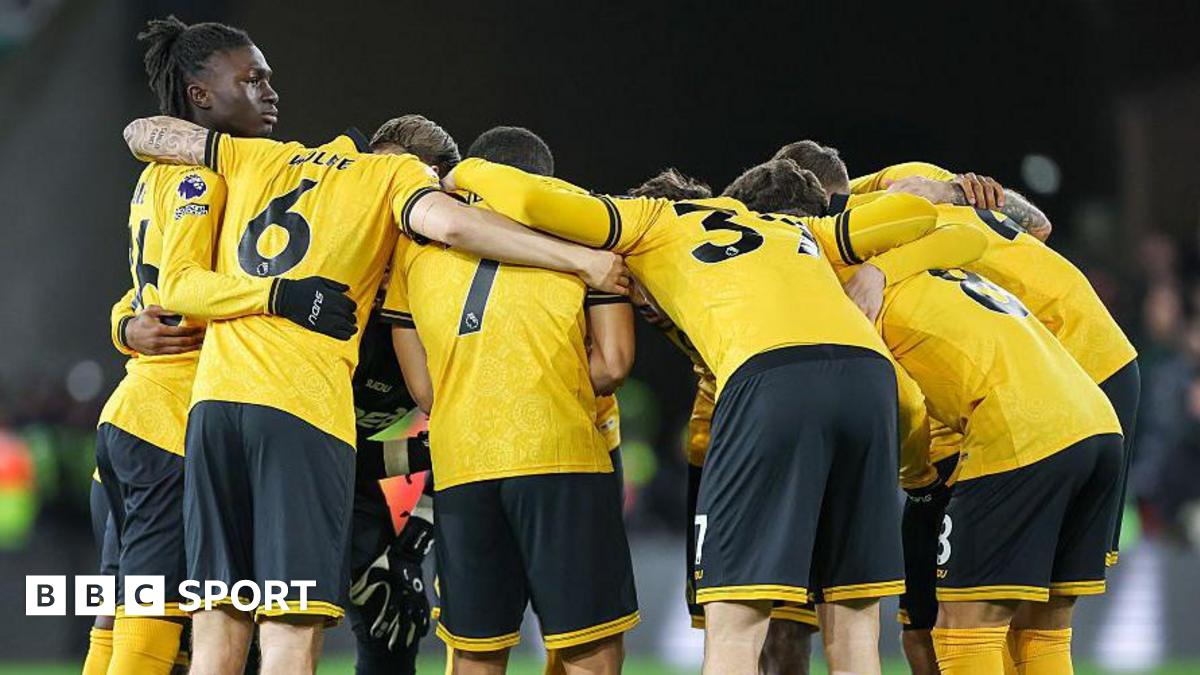
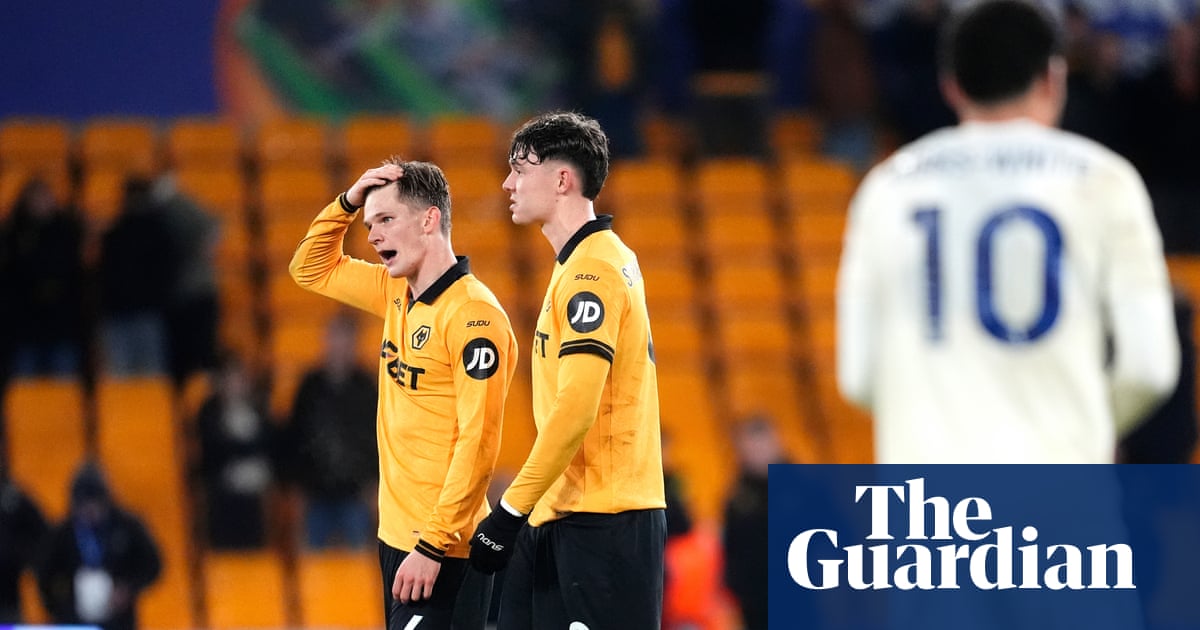
The math of the 2025/26 campaign was finally settled at the London Stadium. After 2,922 days of Premier League football, Wolves’ membership in the English elite ended with a whimper and a 2-0 defeat. It was fitting that the final blow was delivered by a West Ham side managed by Nuno Espirito Santo, the man who built the modern iteration of the club before the foundation was systematically dismantled.
Relegation is rarely a lightning strike; it is usually a slow-motion car crash involving balance sheets and tactical identity. For Wolves, the numbers have been flashing red since the summer of 2024. A return of 31 points from 34 matches is the logical conclusion for a squad that has been stripped of its competitive advantages in the name of fiscal sustainability.
The club spent eight seasons in the top flight, a run that included European quarter-finals and top-half finishes. However, the trajectory over the last three years shows a terrifying regression in every meaningful metric. Points per game dropped from 1.34 to 1.08, and finally to the current 0.91. You cannot sell your way to safety indefinitely.
The financial cost of survival-turned-exit
The Guardian’s assessment that Wolves are paying for "selling the family gold" is backed by brutal transfer data. Since July 2024, the club has generated a net profit of approximately £185m in the transfer market. While this satisfied the Premier League’s Profit and Sustainability Rules (PSR), it left Rob Edwards with a skeleton crew of developmental prospects and aging veterans.
Selling Pedro Neto and Max Kilman provided short-term accounting relief but removed the team’s tactical spine. Wolves’ win rate without Neto in the starting XI over the last two years sat at a dismal 14%. When you remove the primary outlet for ball progression, the entire system collapses under the weight of sustained defensive pressure.
Recruitment has pivoted from the savvy Portuguese pipeline of the late 2010s to a series of low-probability gambles. The data suggests that for every £10m spent on incoming talent since 2024, Wolves have seen an average decrease of 0.4 expected goals (xG) created per 90 minutes. This is not just bad luck; it is a fundamental failure of the scouting department to replace elite output with comparable quality.
The Rob Edwards tactical mismatch
Rob Edwards is a manager who demands high-intensity pressing and a brave defensive line. Unfortunately, he inherited a squad designed for the low-block transitions that defined the Nuno and Lopetegui eras. The result was a tactical schizophrenia that saw Wolves concede 19 goals from counter-attacks this season, the highest in the division.
The defensive metrics are particularly damning. Wolves allowed an average of 16.4 shots per game, a figure surpassed only by the other two clubs in the relegation zone. The decision to persist with a high line when the central defenders lacked the recovery speed for a 40-yard sprint back to goal was an act of tactical stubbornness that Edwards will likely regret in the Championship.
There is also the issue of set-piece vulnerability. Wolves conceded 14 times from corners and indirect free-kicks. In a season where the margins for survival were so thin, failing to master the basics of aerial duels at the near post is a dereliction of coaching duty. They won just 44% of their headed battles in the defensive third, a 9% drop from the previous campaign.
The goal drought that broke the back of the season
You cannot stay in the Premier League scoring 0.79 goals per game. Wolves’ total of 27 goals in 34 matches is a historical outlier for survival. Even during the worst periods of the 2022/23 season, the underlying numbers suggested a turnaround was possible. This year, the xG per match was a pathetic 0.84.
The strikers have been non-existent. The leading scorer has managed only six goals, and three of those were penalties. Analysis of shot locations reveals that 48% of Wolves' attempts came from outside the penalty area. This indicates a team unable to penetrate the box, forced into speculative efforts by a lack of creative movement and overlapping support.
Compare this to West Ham, who under Nuno have prioritized high-value chances. In the relegation-confirming match, the Hammers had fewer shots (11 to 14) but a significantly higher xG (1.92 to 0.61). They waited for the openings that Wolves’ desperate defense eventually provided. It was a clinical demonstration of why one team is chasing Europe and the other is checking the distance to Plymouth Argyle.
The Nuno irony and the path forward
There is a bitter irony in Nuno Espirito Santo being the one to turn the key in the lock. He represents the era of ambition that Fosun has seemingly abandoned. Under Nuno, Wolves were a team that big clubs feared. Today, they are a team that mid-table sides view as a guaranteed three points and a boost to their goal difference.
The critical observation here is that the board prioritized the balance sheet over the league table for one season too many. They gambled that a thin squad and a rookie manager could replicate the mid-table safety of previous years. They lost that gamble in the 87th minute of several key matches where fatigue led to late concessions. Wolves lost 14 points from winning positions this season.
The Championship is not the forgiving environment it used to be. The financial gap between the two tiers is now a chasm. With the parachute payments likely to be swallowed by existing debt and the remaining high earners looking for exits, Wolves face a structural rebuild that could take years. The "family gold" is gone, and the cupboard is remarkably bare.
- Points after 34 games: 31
- Goals scored per match: 0.79
- Net transfer profit (2024-2026): £185m
- Points lost from winning positions: 14
- Defensive aerial win rate: 44%
Conclusion: A failure of ambition
The Molineux faithful have spent the last few months watching a team that looked resigned to its fate. The spark that defined their return to the top flight in 2018 has been extinguished by a management philosophy that treated the Premier League as a retail platform rather than a sporting competition. You can only sell your best players for so long before you become the worst team.
The data doesn't lie, and it hasn't been lying for months. Wolves were a bottom-three side in terms of ball progression, shot creation, and defensive organization. Relegation isn't an injustice; it's a mathematical certainty that has finally caught up with a club that stopped trying to improve. The trip to the Championship is a deserved consequence for three years of strategic neglect.